Parents Can Fight the Left’s Cult, Supreme Court Supports
Supreme Court Rules in Favor of Parental Rights Over School LGBTQ Content
Last month, the Supreme Court issued a historic decision limiting a public-school district’s ability to mandate lessons on sexuality for young children, endorsing parents’ right to opt their kids out of such teachings.
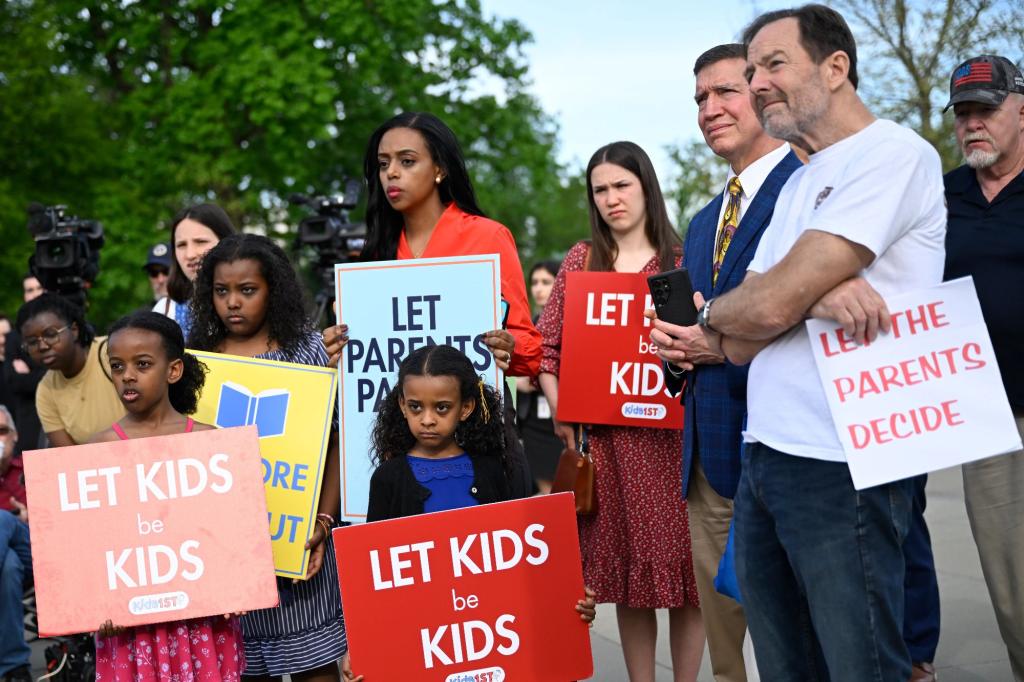
In the case of Mahmoud v. Taylor, parents from Montgomery County, Maryland, argued that requiring the teaching of LGBT-themed materials violated their religious beliefs. The Court supported their stance, ruling that parents must have the ability to choose whether their children participate in lessons involving such content, rather than being compelled to accept it outright.
The district’s curriculum included promoting the idea of gender fluidity, which conflicts with the teachings of major faiths like Judaism, Christianity, and Islam. Experts view this LGBT curriculum as part of a secular ideology that seeks to replace traditional religious values with a new moral framework.
Modern leftism, with its emphasis on personal autonomy, identity, and self-expression, mirrors many aspects of religious doctrine, including rituals like pronoun declarations and diversity training. These act as acts of belonging within a secular faith system.
Advocates argue that this secular ideology promotes absolute tolerance and sexual liberation as unquestioned truths, often using apocalyptic rhetoric when discussing issues like climate change, presenting a moral narrative of sin, penance, and salvation through strict adherence to new commandments.
Climate activism, for example, is often framed as a moral crusade warning of catastrophe, demanding behaviors such as avoiding meat and plastic, and total obedience to technocratic authorities. Dissension is silenced, mirroring religious dogma.
The recent ruling affirms that public schools cannot impose beliefs that oppose families’ faiths, empowering parents to challenge indoctrination and demand transparency and opt-outs. They can now attend meetings, review curricula, and organize to resist ideological overreach, ensuring education remains rooted in reason and free from religious-like dogma.
Ultimately, the Court’s decision underscores that education shouldn’t conflict with families’ core beliefs, and parents now have a stronger legal foundation to defend their children’s right to religious and moral freedom within the school system.