Oldest Comet Ever? Astronomers Spot Interstellar Visitor 3I/ATLAS
Interstellar Visitor 3I/ATLAS Might Be the Oldest Comet Ever Discovered
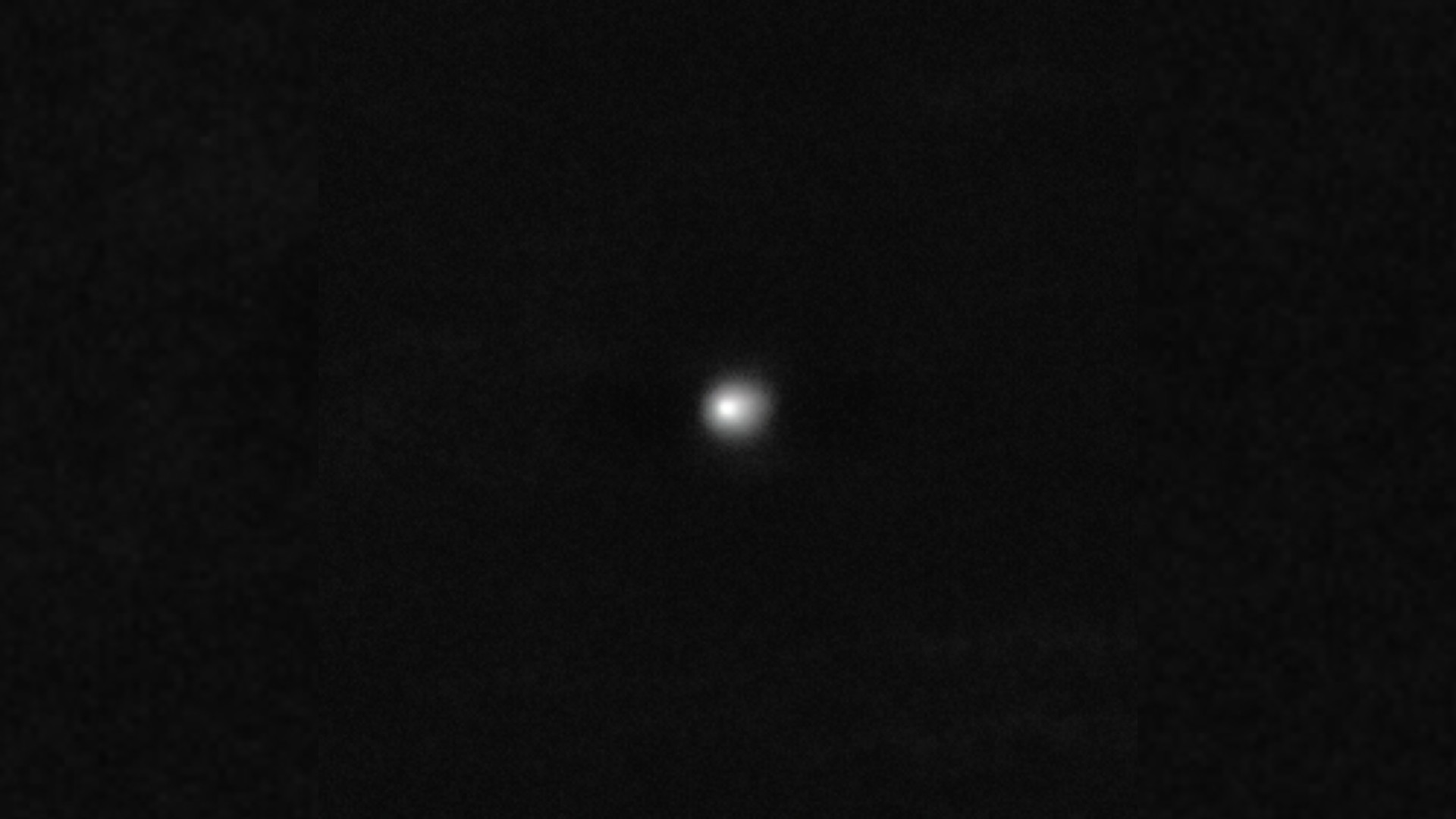
The recently detected interstellar object 3I/ATLAS is believed to be one of the oldest comets observed by humanity. Discovered on July 1, 2025, by the ATLAS survey telescope, this cosmic traveler is thought to originate from a completely different region of our galaxy than previous interstellar visitors.
Unlike comets formed within our solar system, which are generally up to 4.5 billion years old, 3I/ATLAS could be approximately 7 billion years old—making it potentially the oldest comet ever detected. This conclusion stems from its steep trajectory through the Milky Way, indicating an origin in the galaxy’s “thick disk,” an ancient stellar region.
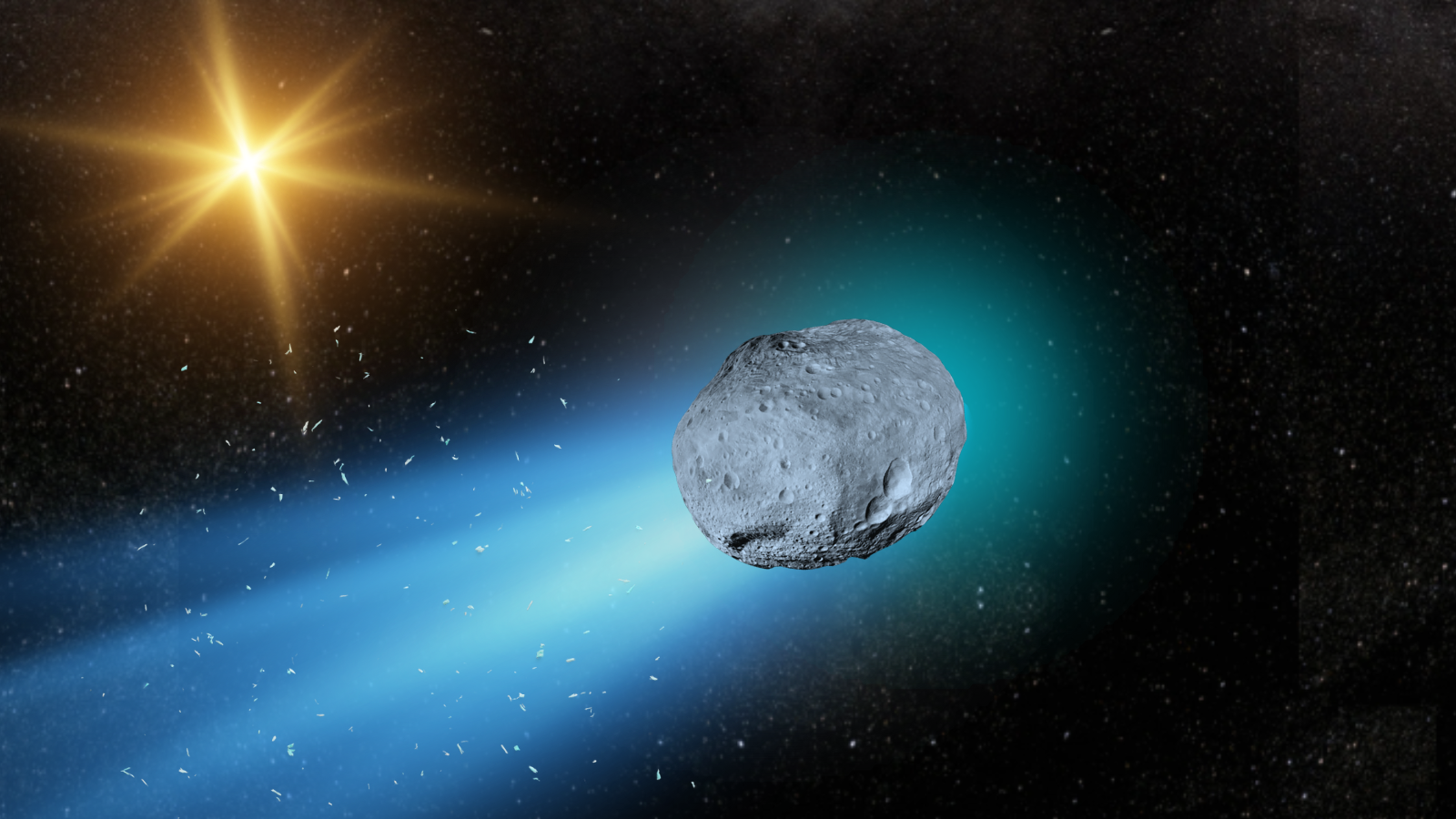
Scientists hypothesize that 3I/ATLAS formed around an ancient star, enriching its chemical makeup with water ice, which may be abundant on this object. As it approaches the Sun, increasing warmth will cause ices within the comet to vaporize—a process known as sublimation—creating a glowing coma and a visible tail.
Preliminary observations suggest that 3I/ATLAS is larger than previous interstellar visitors like 1I/’Oumuamua and 2I/Borisov, with signs of activity already evident. Its behavior as it heats up by the Sun will help scientists refine their models of interstellar comets.
One of the upcoming efforts to study 3I/ATLAS is from the Vera C. Rubin Observatory, which is expected to detect between 5 and 50 interstellar objects during its decade-long Legacy Survey of Space and Time (LSST). The discovery of 3I/ATLAS has increased optimism about these future detections.
Researchers, including Oxford astronomer Matthew Hopkins, are excited to analyze 3I/ATLAS’s properties to gain insights into ancient star systems and the early conditions of our galaxy. The object also presents an extraordinary opportunity to study a comet potentially billions of years old, providing a unique glimpse into the distant past of our universe.