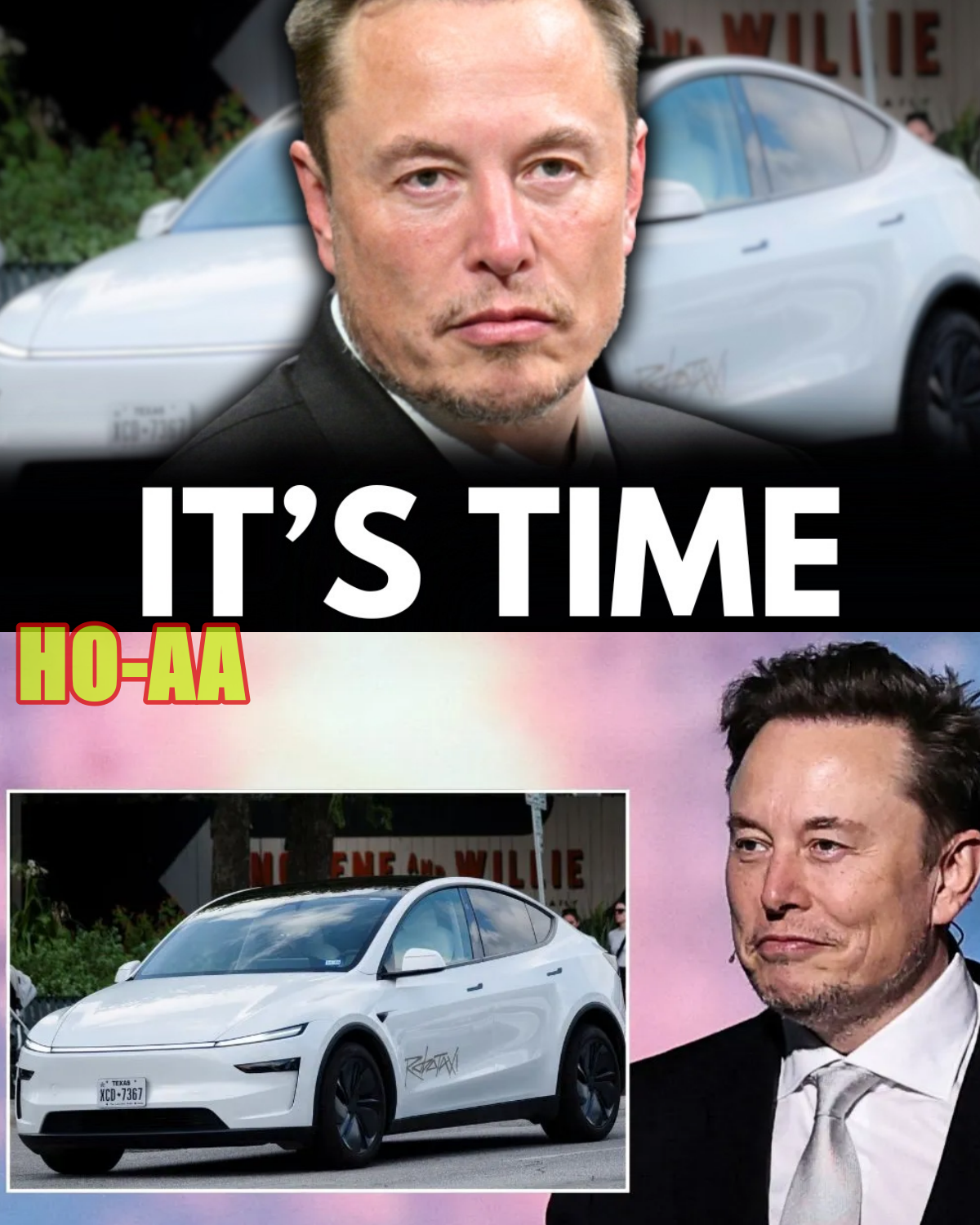
Elon Musk Warns of Incoming Robotaxi Boom
Elon Musk Predicts a Rapid Arrival of Fully Autonomous Robotaxis
Elon Musk has confidently announced that a wave of fully self-driving robotaxis is imminent, potentially arriving sooner than many industry insiders expect. During a livestream in Austin, Texas, Musk stated that Tesla’s autonomous vehicles will soon dominate city streets, revolutionizing urban transportation.
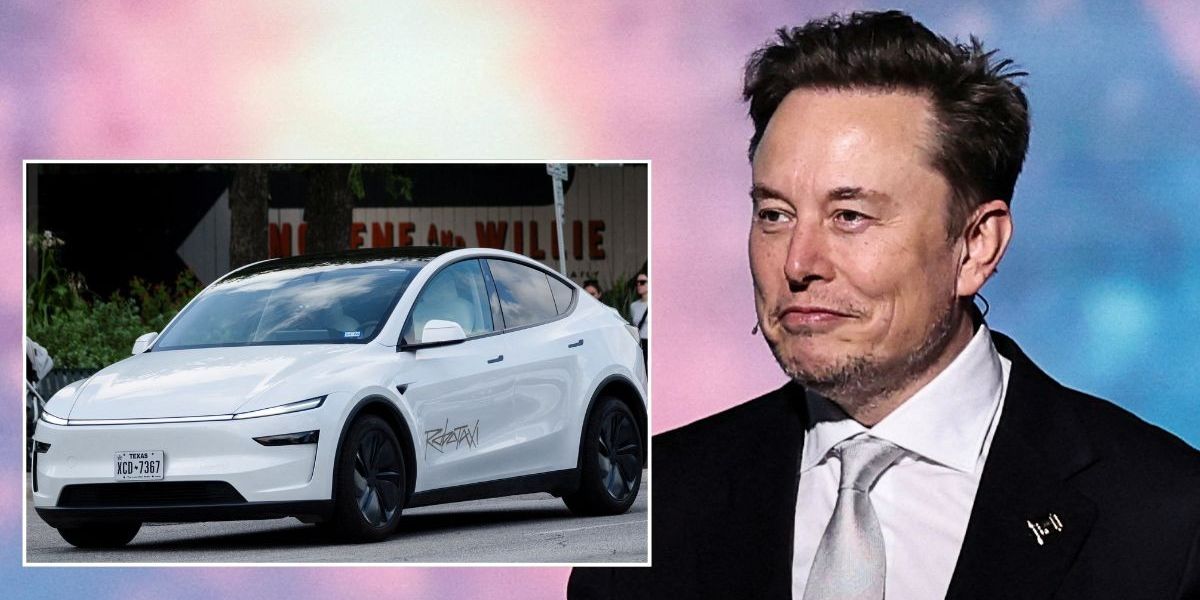
“We are on the brink of a transportation revolution,” Musk said. “Robotaxis are no longer science fiction. They’re real—and they’re arriving at scale.”

The announcement sparked excitement, causing Tesla’s stock to rise temporarily. Yet, it also reignited skepticism from experts and regulators. The key question remains: Is Musk just making another futuristic promise or are robotaxis truly approaching?
What Is a Robotaxi?
A robotaxi is a fully autonomous vehicle capable of transporting passengers without human intervention. Unlike current ride-share options, these vehicles rely entirely on advanced sensors, cameras, and AI software, transforming them into self-driving taxis. Tesla’s upcoming robotaxi will be:
- Steering-wheel free (driverless)
- Fully electric, utilizing Tesla’s Full Self-Driving (FSD) system
- Operated through Tesla’s fleet or available to owners for passive income—an “Airbnb for cars”

Musk envisions owners summoning their Tesla, sending it to pick someone up, and earning money passively.
Timeline: Soon Than Expected?
Musk announced the official unveiling of Tesla’s robotaxi will be on August 8, 2025—an event he describes as a pivotal moment for AI, transportation, and Tesla. He also predicts the start of production by late 2025, with initial fleets operating in major U.S. cities by 2026. While Musk’s past timelines have often been overly ambitious, this is the most detailed and confident projection yet.

Nevertheless, critics highlight that similar claims have been made since 2016 when Musk promised full self-driving capabilities within two years. To date, no Tesla is fully approved for driverless operation on public roads.
The Technology Behind FSD
Tesla’s Full Self-Driving system, the backbone of the robotaxi plan, currently operates in beta mode on hundreds of thousands of vehicles. It employs:
- Neural network-based AI
- Eight external cameras
- Vision-only architecture (no LiDAR or radar)
Despite recent improvements, critics argue that Tesla’s FSD still falls short of Level 4 or 5 autonomy required for fully driverless robotaxis. A recent safety report flags struggles with complex intersections, emergency vehicles, unpredictable pedestrians, and adverse weather conditions. Musk, however, remains optimistic, claiming Level 5 autonomy could be achieved within a year, surpassing human driving capabilities.
Regulatory Challenges
Getting regulatory approval remains a significant hurdle. Authorities are cautious following incidents involving autonomous vehicles, and companies like GM’s Cruise have paused operations due to safety concerns. Tesla must demonstrate that its vehicles are safer than human drivers, which involves transparent safety data, third-party validation, and cooperation with regulators.
Many watchdog groups criticize Musk’s aggressive schedule, citing safety risks and regulatory resistance.
Global Impact and Public Opinion
If successful, Tesla’s robotaxi could transform urban landscapes by reducing the need for parking, traffic lights, and private vehicle ownership, while improving traffic flow and reducing emissions. It may also displace millions of driving jobs, raising economic and social concerns. Musk envisions owners earning passive income through a network of autonomous vehicles, effectively turning cars into revenue generators.
The public reaction is polarized: enthusiasts see it as the next wave in mobility innovation, while skeptics warn against overpromising without proven safety. Stock markets responded positively, with shares jumping 6% after the announcement, reflecting high hopes for the market potential of robotaxis.
Final Thoughts
Musk’s claims of a “tsunami of robotaxis” may seem exaggerated, yet many of his past predictions—like reusable rockets and mass-market EVs—became reality. Still, the journey is fraught with technological, legal, and ethical challenges that could delay or reshape this vision. The true test will come after the August 2025 unveil, when the world will see if Musk’s bold predictions materialize into everyday reality.