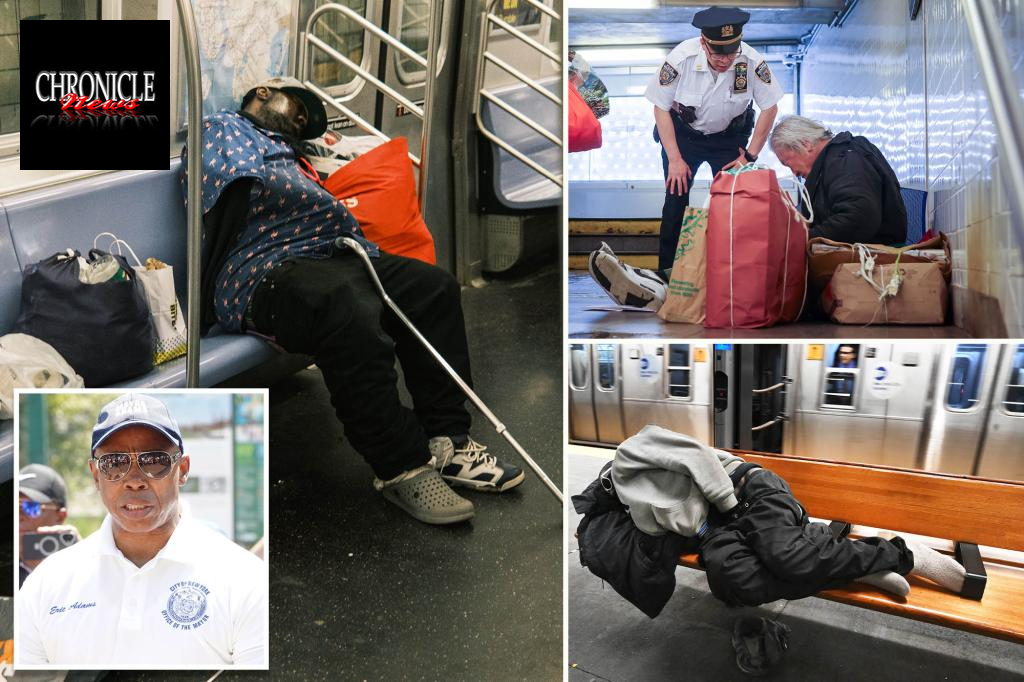
Mayor Adams Moves 1,000+ Homeless NYC from Subways to Permanent Homes
Over 3,500 Homeless Individuals Rehoused in New York City
Since the beginning of Mayor Eric Adams’ term, more than 3,500 homeless New Yorkers have been placed into permanent housing, demonstrating the success of his “Subway Safety Plan,” he announced on Monday.
Of these, over 1,000 individuals transitioned from the subway system directly into housing since the initiative launched in early 2022, part of a broader effort to combat homelessness in transit areas.

The milestone underscores the Mayor’s new “End Anything Goes” campaign, which emphasizes combating public disorder while expanding mental health and addiction services.
This achievement is central to Adams’ “End Anything Goes” campaign, a city initiative aimed at restoring order while increasing support for residents facing mental health and addiction challenges. The campaign highlights efforts to reform laws that discourage mental health treatment and to expand outreach, harm reduction, and housing programs.
Mayor Adams credits recent investments such as Safe Haven beds, outreach teams, and the creation of affordable housing for this progress. He stated, “The years of walking past residents in need are over,” emphasizing ongoing efforts to make the city safer and more affordable.
Since implementing the Subway Safety Plan, the city has connected 8,600 homeless individuals with shelter, with over 1,000 now in permanent homes. The plan also includes outreach at transit stations aimed at aiding those with severe mental health issues.

Efforts continue to build trust and provide support to the city’s unsheltered population.
Recent data from the Metropolitan Transportation Authority (MTA) show transit crimes hit their lowest levels since 1995, with an 8% reduction in felonies last month, despite recent violent incidents in the subway.
The city also plans to add 400 more Safe Haven beds by the end of 2025, bringing the total to 4,900, and open a new $13 million supportive housing facility for individuals leaving psychiatric care who need ongoing support.
Additionally, a “Bridge to Home” program will create supportive, home-like environments for mentally ill patients discharged from hospitals without stable housing, ensuring continued treatment and stability.