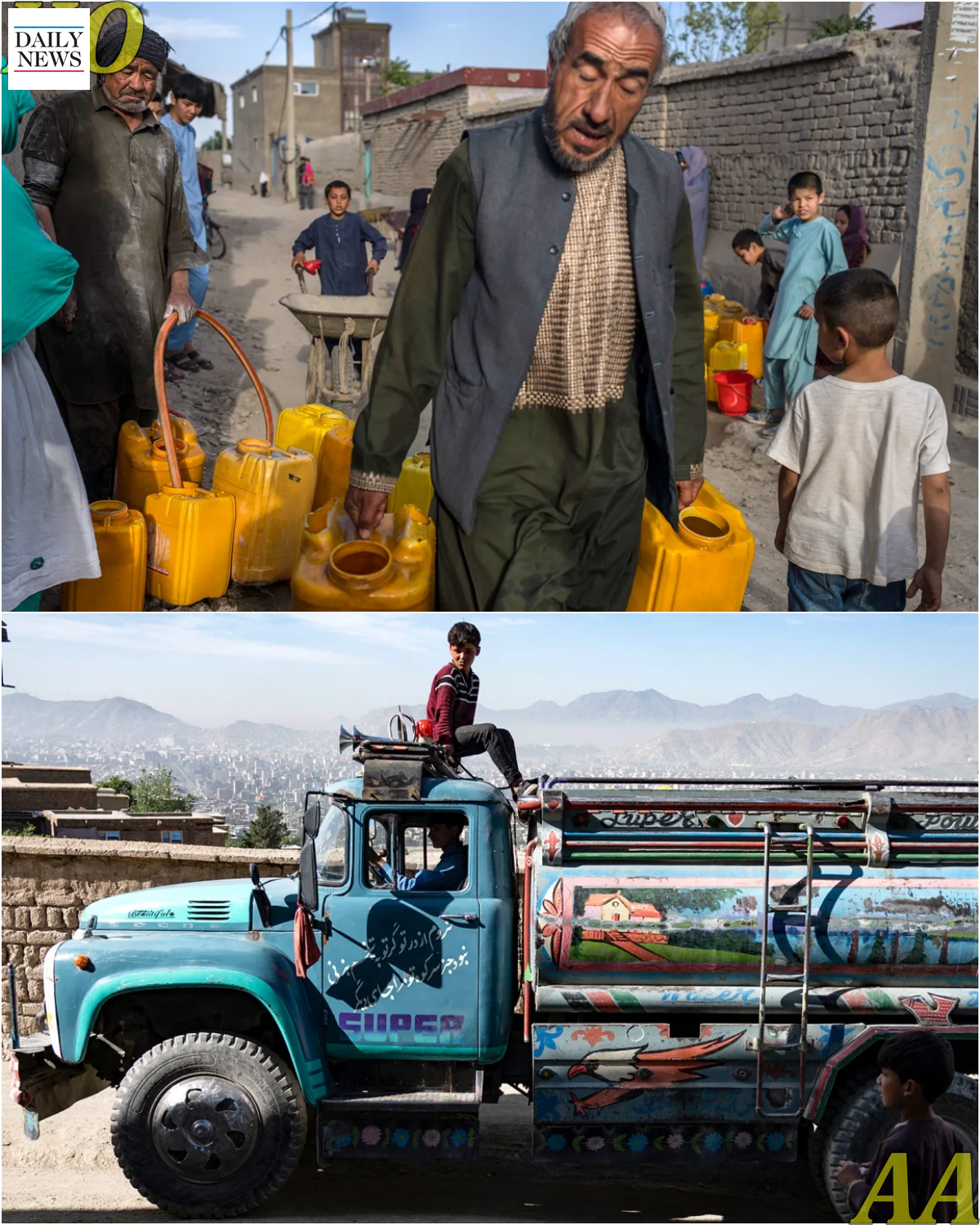
First Modern Capital Faces Water Shortage Crisis
Severe Water Shortage Threatens Kabul’s Future
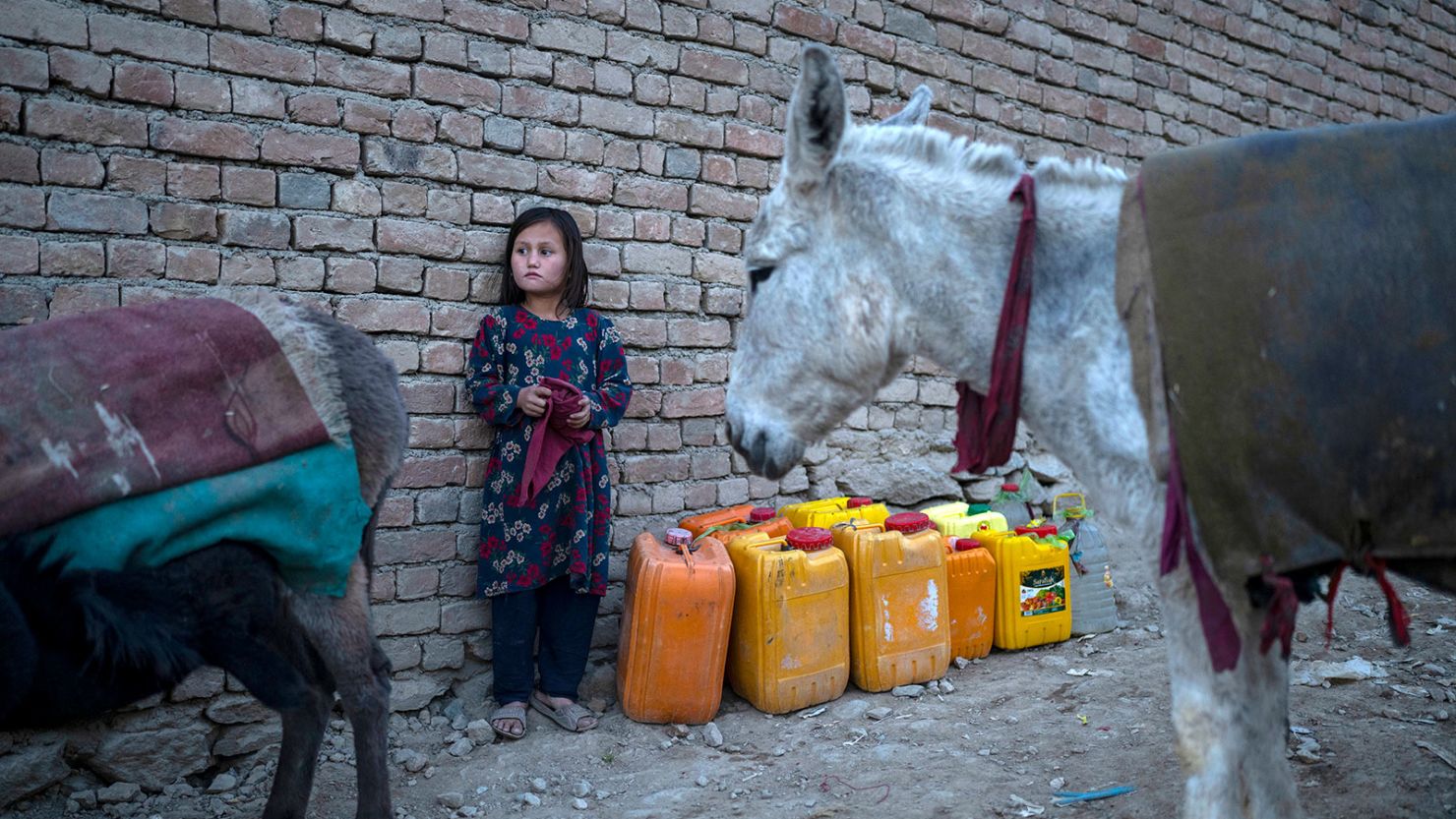
As dawn breaks over Kabul’s arid mountains, families begin their daily struggle to secure and conserve water. Raheela, a mother of four, hurriedly rushes to the street to fill her battered containers with water from a tanker, highlighting the relentless shortage that plagues her neighborhood. She explains that clean drinking water is nearly impossible to access, and any water purchased strains her family’s tight budget.
Kabul faces an imminent crisis; experts warn it may become the world’s first major capital to completely deplete its groundwater reserves, risking economic and social collapse. Decades of rapid population growth, climate changes, and over-extraction of groundwater have drastically lowered water tables, with nearly half of the city’s boreholes already dry. The city extracts 44 million cubic meters more water annually than natural sources replenish, impairing both infrastructure and household stability.
Residents like Ahmad Yasin have resorted to digging deep wells, often hundreds of meters, only to find contaminated water that is unsafe to drink. Due to pollution and poor sanitation practices, up to 80% of groundwater is tainted, leading to health issues such as diarrhea and vomiting among residents.
The climate crisis further complicates the situation—less snow and more irregular rainfall mean reduced natural recharge of aquifers. UNICEF warns that, if current trends persist, Kabul could exhaust its groundwater supply by 2030.
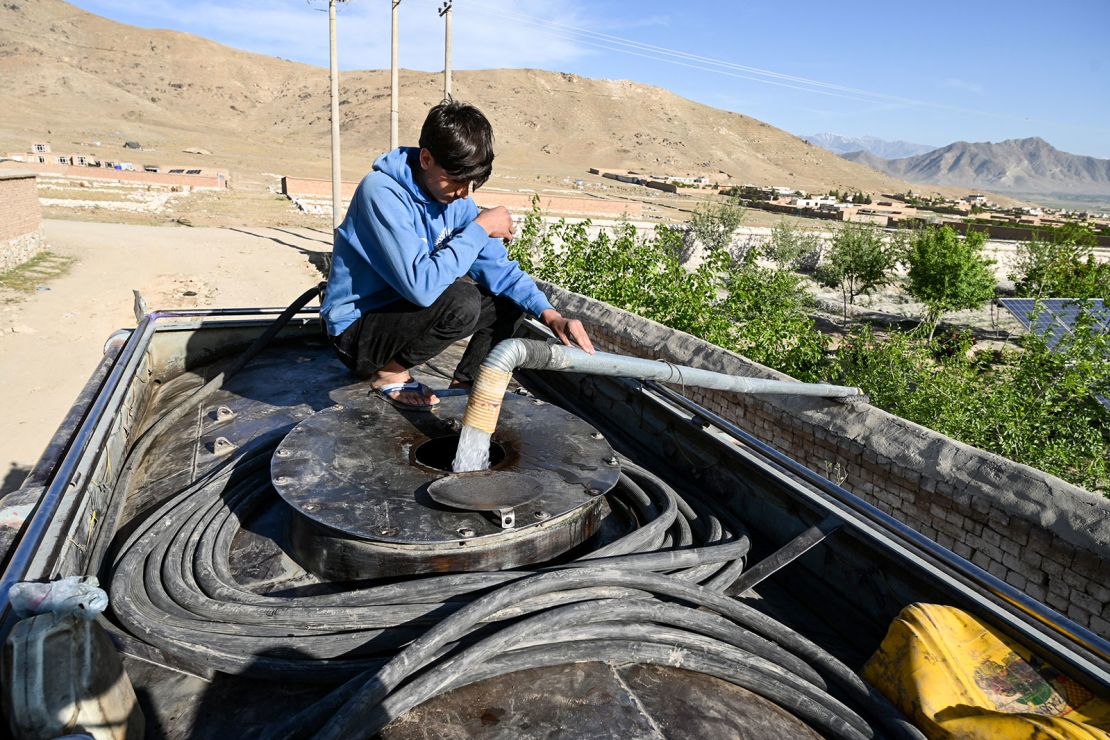
Many depend on private tanker services or rely on donations to access water, often spending a significant part of their income. Children, especially, are impacted; they frequently miss school to fetch water, reducing their educational opportunities. Women bear the brunt of this crisis, performing strenuous journeys across the city under oppressive conditions, risking harassment and personal safety.
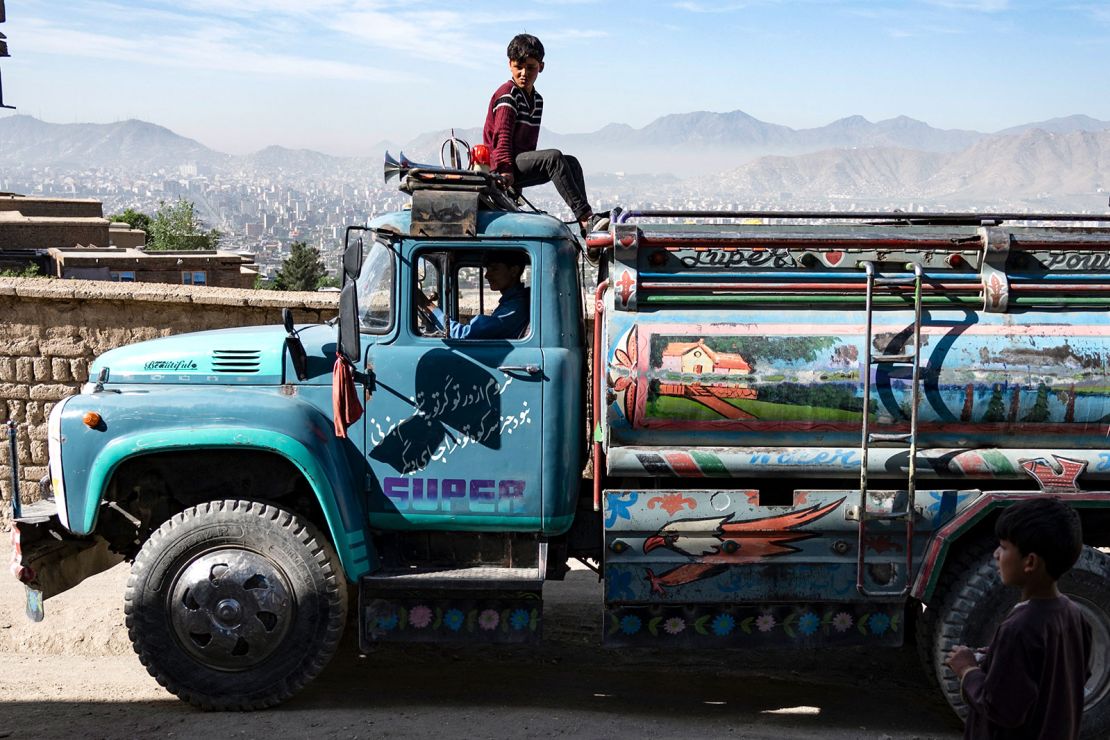
The political turmoil since the Taliban’s takeover in 2021 has worsened the crisis. International aid has diminished due to halted funding, exacerbating the collapse of local systems. Despite some relief from humanitarian organizations, critical shortages persist, leaving many families uncertain about their future and contemplating displacement as water scarcity deepens.