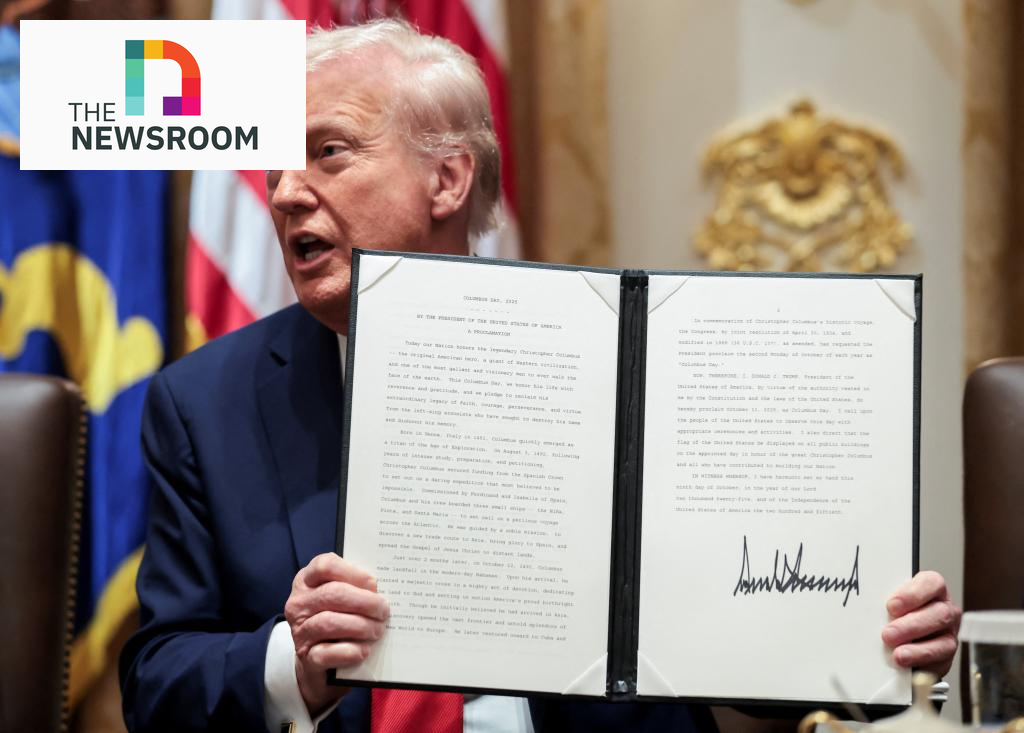
Leftists’ Anti-Columbus Sentiment: Hate for America?
Reevaluating Columbus Day: A Celebration of Western Heritage and Exploration
Many debates surrounding Columbus Day are less about Christopher Columbus himself and more about the foundational question of whether America as a nation should exist at all.
Advocates highlight Columbus’s voyage as a pivotal moment that transmitted centuries of Western philosophy, culture, and reason to the New World, ultimately contributing to the rise of Western civilization and American independence.
This perspective explains why the holiday faces opposition: critics see Columbus as a symbol of colonialism, oppression, and the darker chapters of history. Nonetheless, supporters view him as a pioneering figure whose efforts laid the groundwork for a new continent built on opportunity and individual freedom.
Although Columbus is an Italian-American hero—born in Genoa—his significance transcends ethnicity, representing a broader narrative of exploration and enterprise that benefits all descendants of the Americas. His voyages linked the New World with the wider world, facilitating cultural exchange and the possibility of refuge for persecuted groups, such as Jews fleeing Europe in 1492.
Contrary to some narratives, Columbus did not introduce slavery to the Americas; indigenous peoples had already practiced various forms of servitude. Yet, his expeditions helped end some brutal local practices like human sacrifice and cannibalism, and the devastating diseases that followed were an unintended tragedy of contact, not a deliberate act.
Columbus’s role in history is complex. While he knew of the risks and flaws, he was an archetype of the American spirit—a risk-taker committed to service and seeking a better future. Since the late 18th century, Americans have honored his legacy, with the holiday formalized in the 20th century.
Recently, however, opposition to Columbus has intensified, with proposals to replace Columbus Day with Indigenous Peoples Day. Critics argue that this overlooks the fact that all migration is a form of displacement, and the concept of “indigenous” is historically complicated. Many so-called indigenous groups migrated from elsewhere over millennia, often displacing earlier populations.
Columbus Day remains a celebration of Western civilization’s spirit of discovery and enterprise—a recognition of those who dared to venture into the unknown, shaping the history and opportunities we cherish today.