Mifepristone Turns 25 Amid Rising Attacks
25 Years Since FDA Approved Mifepristone for Abortion
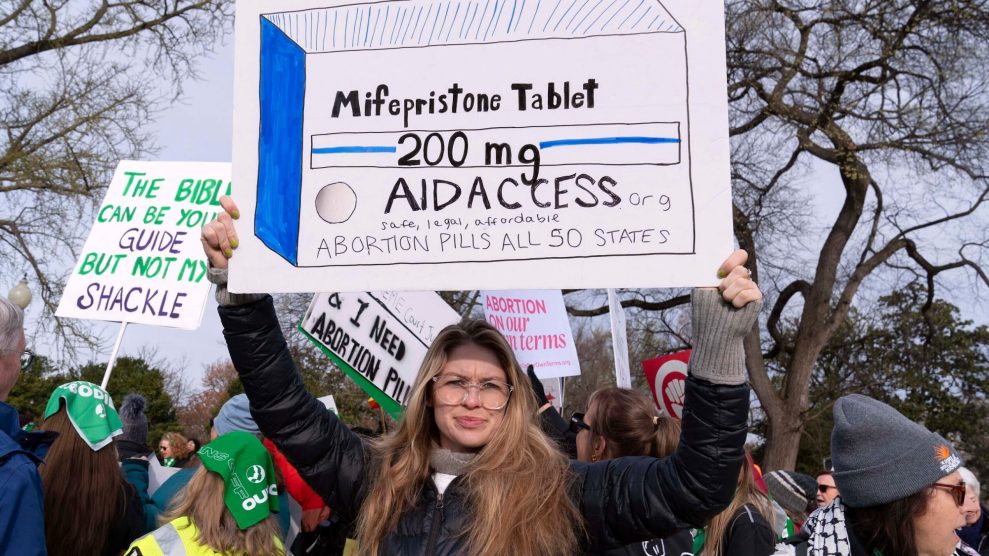
Today marks a quarter-century since the Food and Drug Administration (FDA) approved mifepristone for abortion use. Originally approved in France over a decade earlier, the drug quickly revolutionized access to abortion in the U.S., allowing individuals to terminate pregnancies privately at home, away from anti-abortion protests and clinic barriers.
Mifepristone functions by blocking progesterone, a hormone essential for maintaining pregnancy. When combined with misoprostol, which induces uterine contractions, the regimen effectively terminates pregnancy up to ten weeks gestation. Over the years, regulations have relaxed: in 2016, the FDA extended approved use up to ten weeks; in 2021, it permitted telehealth prescriptions, increasing accessibility, especially during the pandemic.
Despite the Supreme Court’s 2022 decision overturning Roe v. Wade, medication abortions have surged, largely through telehealth and state protections that shield providers. Currently, over 60% of U.S. abortions are medication-based, with one in four administered via telehealth services.
Anti-abortion groups, including some aligned with the recent Trump administration, continue efforts to restrict access by questioning the drug’s safety. Numerous studies confirm mifepristone’s safety, with some experts comparing it to over-the-counter pain relievers. Yet, political opponents cite flawed reports, aiming to tighten regulations and make the drug harder to obtain.
This week, the Department of Health and Human Services announced a review of mifepristone’s approval, following political pressure and misleading reports claiming higher complication rates. Critics argue these studies are unverified and misrepresent the drug’s safety, while opponents push for more restrictions or outright revocation of approval.
Legal battles persist, including lawsuits from anti-abortion groups and state-level efforts to classify abortion pills as controlled substances or enable private citizens to sue providers. Several states have taken aggressive steps to limit telehealth and mail-order abortion options, increasingly criminalizing access in red states.
Advocates praise mifepristone’s role in empowering reproductive choice and condemn efforts to undermine its availability. “Anti-abortion policies are escalating, but the safety and necessity of medication abortion remain well-established,” says experts. Plan C co-founder Elisa Wells describes mifepristone as a “transformational hero” in modernizing abortion access, asserting that political barriers will not eliminate the medication’s use.