World Cup and Rock Stars Clash: The Impact of Dynamic Ticket Pricing
FIFA Implements Dynamic Pricing for Next Year’s World Cup Tickets
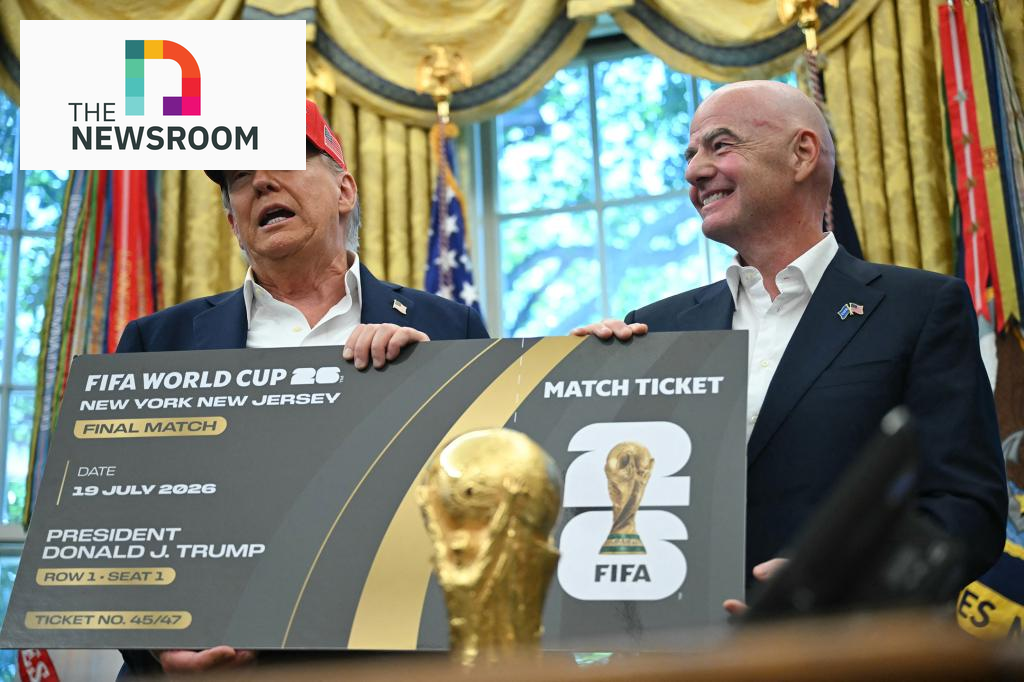
FIFA has announced that ticket sales for the upcoming World Cup, co-hosted by the United States, Mexico, and Canada, will utilize a dynamic pricing system. This approach causes ticket prices to fluctuate based on demand, likely leading to significantly higher costs for premium seats. For instance, the most expensive tickets for the July 19 final at MetLife Stadium in East Rutherford, NJ, could exceed $6,700—approximately four times the price of the 2022 Qatar final, which cost around $1,700.
Initially, ticket prices for top-tier seats will start at this high rate during early sales, and this figure does not include hospitality packages. Historically, when the US hosted the World Cup in 1994, ticket prices were fixed, and paying scalpers was the main way to get better deals. Back then, a seat at the Brazil-Italy final in Los Angeles could have cost as little as $60, roughly $130 today.
Unlike other major sports, soccer is increasingly adopting entertainment industry tactics like dynamic pricing, similar to how top artists sell concert tickets—often to fan dismay. Yet, despite some fans’ protests, concerts with fluctuating prices still frequently sell out, indicating widespread acceptance of such practices.
Fans are accustomed to variable costs in other areas—vacations during peak seasons, Uber rides during rush hours—and many see FIFA’s move as just another extension of this trend. However, its history with dynamic pricing—such as during this summer’s Club World Cup—has shown potential drawbacks. Some matches featured empty seats when prices dropped, diminishing stadium atmosphere, despite tickets being available for as little as $13 just days before a match that previously cost hundreds of dollars.
Critics argue that variable pricing in sports reflects greed. FIFA, a nonprofit organization with projected revenues over $13 billion for this cycle, continues to prioritize revenue over accessibility. It generates billions through broadcasting rights and sponsorships, while its leadership enjoys substantial salaries. Despite promises of “growing the game,” critics contend that FIFA’s decisions—like choosing host countries with questionable human rights records—highlight profit motives over the sport’s broader mission to make football accessible worldwide.
Ultimately, the passion and loyalty of fans are what keep soccer thriving. The least FIFA could do is ensure tickets remain affordable to honor those dedicated supporters, especially when the organization has ample resources to do so.