Trump Admin Urges Supreme Court to Fast-Track Tariffs Case After Court Loss
Supreme Court Review Sought on President’s Tariff Power
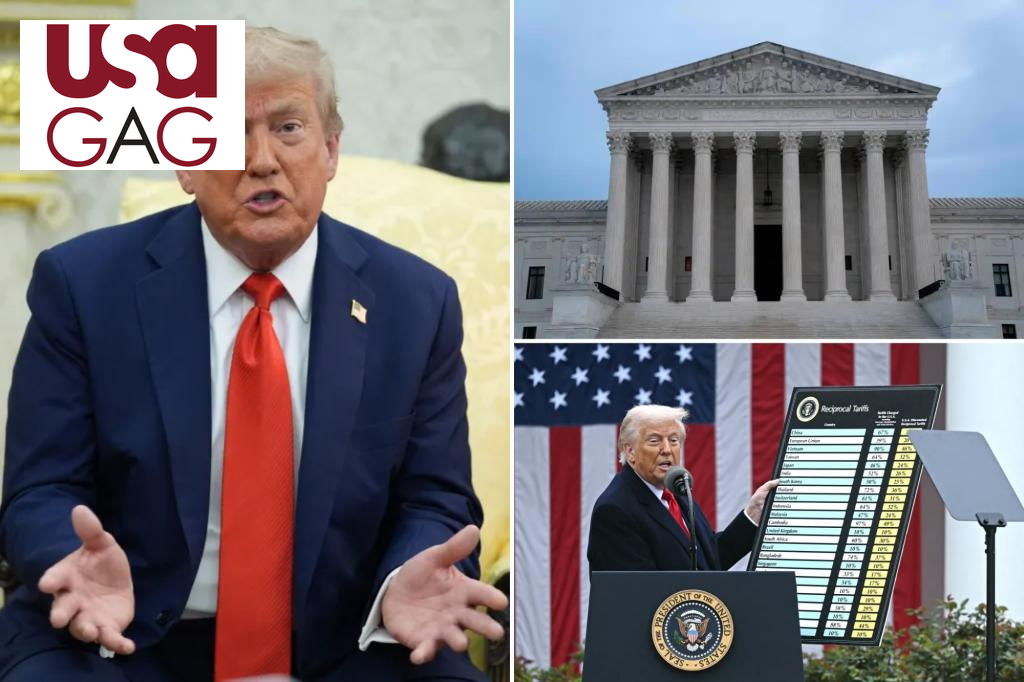
The Trump administration has formally appealed to the Supreme Court to swiftly determine whether the president has broad authority to impose trade sanctions under federal law. This legal move follows a ruling by the U.S. Court of Appeals for the Federal Circuit, which recently upheld a lower court decision declaring most of Trump’s tariffs illegal under an emergency powers law.
The appeals court’s 7-4 decision was prompted by lawsuits from states and small businesses affected by the tariffs, arguing they caused significant economic hardship. While the court maintained the tariffs temporarily, it largely struck them down, raising questions about the legality of presidential trade actions based on emergency declarations.
The Trump administration contends that ongoing foreign negotiations are impacted by the court’s decision, which could threaten previously negotiated trade agreements. They argue that the tariffs—implemented during declared national emergencies—are critical tools that the president should be allowed to use without congressional approval.
In contrast, most judges on the appeals court believe that the law—the 1977 International Emergency Economic Powers Act—does not grant the president unilateral authority to set tariffs during emergencies. Dissenting judges argued that the law does authorize such actions, giving the president broad regulatory powers in times of crisis.
The tariffs in question include those announced in April and February on imports from Canada, China, and Mexico. Trump invoked emergency powers to justify these levies, which aimed to pressure trading partners on trade terms. Revenue from these tariffs reached $159 billion by late August, more than double the amount from the previous year.
While the courts debate the legality, the government warns that invalidating these tariffs might require refunds of collected taxes, potentially harming federal revenue. The case raises significant questions about the extent of presidential trade authority in the context of congressional powers and emergency laws.