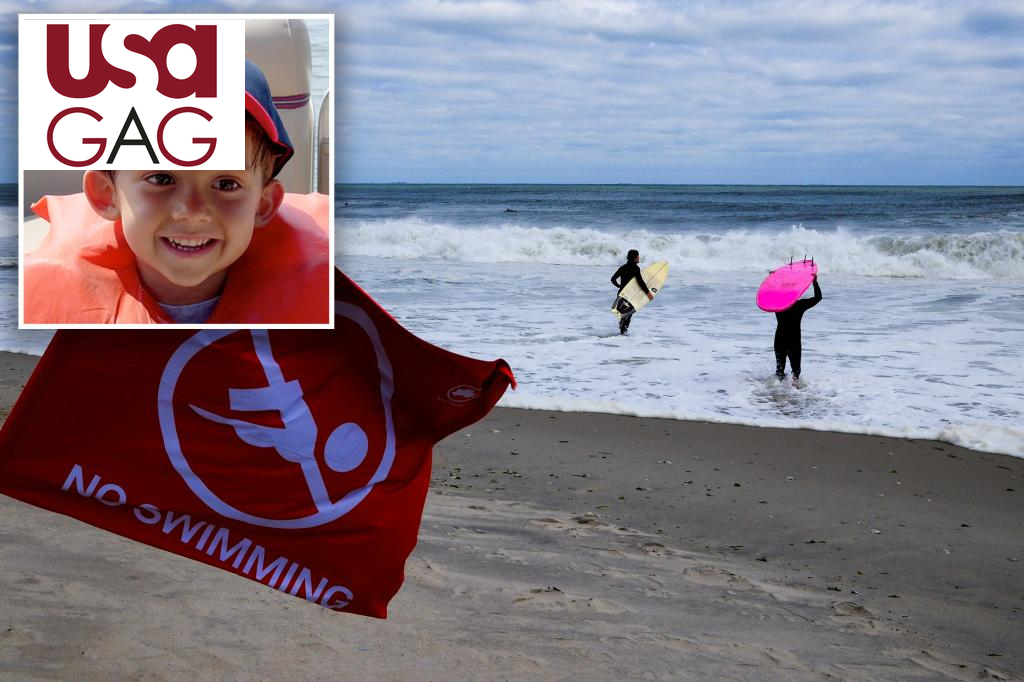
Suffolk County Launches New Plan to Combat 60% Drowning Spike
Suffolk County Launches Water Safety Initiative to Reduce Drowning Incidents
In response to a concerning rise in drownings, Suffolk County has introduced its first-ever comprehensive prevention plan aimed at saving lives. The initiative was launched following a 60% increase in drownings from 15 in 2023 to 24 last year, with many incidents occurring in residential pools.
The five-point strategy emphasizes enhanced water safety education, increased community outreach, improved lifeguard staffing, and better data collection to identify high-risk areas. Early steps include analyzing drowning data at Stony Brook Children’s Hospital, integrating swim safety lessons into local schools, and partnering with Airbnb to promote pool safety tips for hosts and guests.

Suffolk County Executive Ed Romaine emphasized the life-saving potential of the plan, stating, “This initiative will save lives.” Community leaders expressed hope that these measures will lead to safer summers and a decline in water-related fatalities across Long Island.
Given that most drownings last year — 15 out of 24 — happened in backyard pools, targeted education campaigns will focus on backyard safety. The county’s partnerships include collaborations with Stony Brook and nonprofit organizations like Stop Drowning Now and the ZAC Foundation, which was founded in memory of Zachary Cohn, who died in a pool drain accident.

Experts highlight the tragic fact that water remains the leading killer of children under four, the second leading cause of death for children aged 5 to 14, and that over half of adults cannot swim. The plan aims to address these issues through education and preventive measures.
Medical professionals involved in developing the safety strategy stress the importance of proactive community engagement. They believe the initiative will transform awareness into meaningful action, fostering a safer environment for all water enthusiasts.