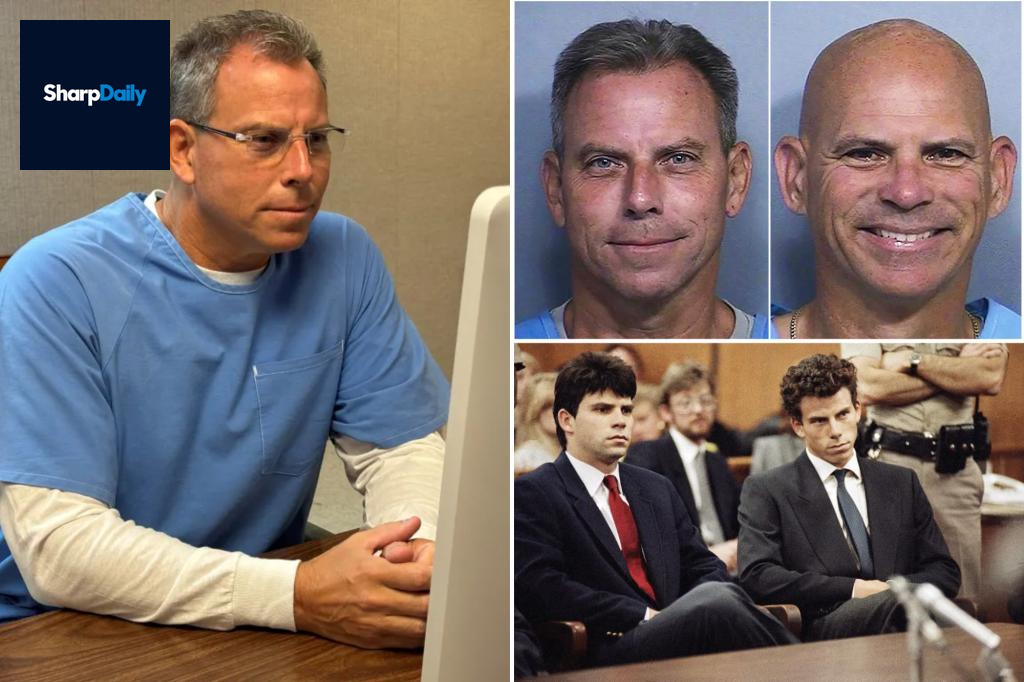
Erik Menendez Denied Parole; Lyle’s Future Still Uncertain
Parole Denied for Erik Menendez After 36 Years in Prison
The California Board of Parole Hearings has decided that Erik Menendez should not be granted parole, 36 years after he was convicted for the murder of his parents.
The decision came after a 10-hour video conference hearing held on Thursday, where officials rejected his request for parole eligibility for another three years. Despite years of legal efforts claiming he has been rehabilitated, the board determined otherwise.
Erik, 54, has remained incarcerated since the 1989 shooting deaths of his father, Jose, and mother, Kitty. His brother, Lyle Menendez, 57, will have his own parole hearing on Friday, and there’s a possibility he might receive a recommendation for release which Erik was denied.
If the board recommends Lyle for parole, it will have 120 days for a legal review before their findings go to Governor Gavin Newsom, who will then decide whether to approve or deny the parole.
Defense attorneys argued that the brothers had been model prisoners, highlighting Erik’s involvement in supporting prisoners in hospice care and Lyle’s advocacy for victims of childhood sexual abuse. They claim that the Brothers’ remorse, personal growth, and positive actions in prison should influence their chances for release. However, District Attorney Nathan Hochman opposed their release, citing a lack of insight into their crimes and multiple rule violations, including possession of a cellphone and altercations with inmates.
Legal experts note that parole decisions depend heavily on individual commissioners’ assessments, which can be influenced by various factors including public and family support or their celebrity status. The brothers gained fame through their trials in the 1990s, but renewed attention was drawn to their case through a Netflix documentary last year. Additionally, new evidence of sexual abuse has recently been brought forward, including a handwritten note from Erik describing his father’s misconduct.
Family members remain hopeful for Erik’s future, emphasizing his remorse and personal development. They stated, “His remorse, growth, and positive influence speak for themselves, and we continue to support him.” Meanwhile, they express cautious optimism for Lyle’s upcoming hearing, believing he has taken responsibility and transformed his life.