Justin Bieber Impersonator Conquers Vegas Nightclub, Duping Crowd and Security
Impersonator Tricks Vegas Nightclub Security, Performs as Justin Bieber
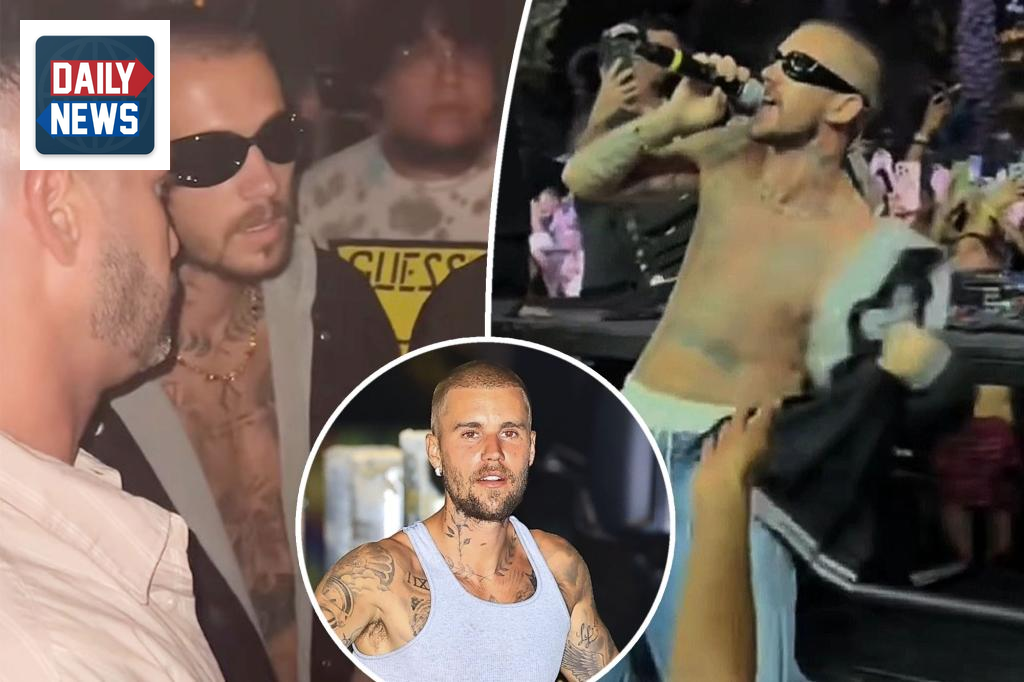
An individual posing as Justin Bieber managed to fool security at a Las Vegas nightclub into allowing him to perform on stage, before being exposed and forcibly removed from the venue.
The impersonator, Dylan Desclos, took to the stage at XS Nightclub inside Wynn Las Vegas last Saturday night, entertaining the crowd with Bieber’s songs. Several attendees documented the stunt on social media, showing Desclos singing convincingly to a lively audience who believed he was the pop star himself.

The nightclub’s headliner, DJ Gryffin, captured the moment on his Instagram Story, revealing that he was informed Bieber was present and even invited him on stage. Gryffin later commented, “How Bustin Jieber duped me during my own set,” and remarked that the dark, loud setting aided the deception. The imposter performed Bieber’s hit “Sorry” before security swiftly removed him, after nearly five minutes of mimicking Bieber’s vocals and style.

Gryffin shared that the impersonator’s entourage claimed Bieber wanted to perform “Sorry” with him, but soon discovered that it was a fake act. Gryffin lamented, “After 4 minutes and 27 seconds… I found out the worst news imaginable.” The audience was unaware, dancing and filming the performer as if he was the real Bieber.
Desclos, who has been impersonating Bieber for nearly eight years and hails from Normandy, France, was immediately banned for life from Wynn Resorts. A spokesperson confirmed that, following the incident’s elaborate setup, he was removed and denied future entry. The impersonator’s team had reportedly devised a multi-step ruse to gain access to the stage, which ultimately deceived even seasoned professionals.
The stunt led to a bill approaching $10,000 at the nightclub for bottle service, which Desclos paid before being ejected. A witness noted suspicion upon noticing his young crew didn’t resemble Hollywood insiders but seemed more like a typical Gen Z group, raising questions about the authenticity of his production.
This incident highlights the extent of impersonation skills and the importance of security verification in high-profile venues.