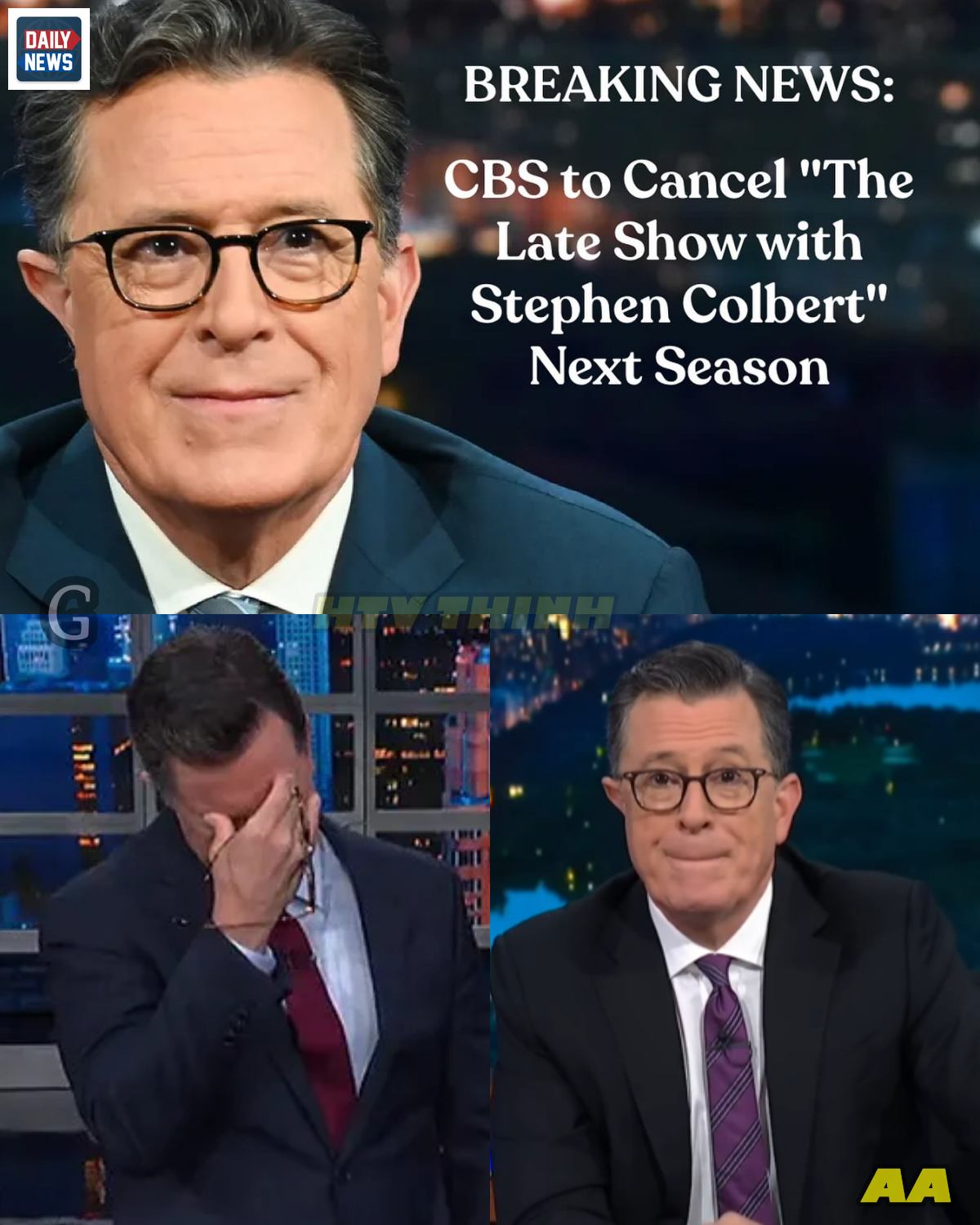
CBS Cancels “The Late Show”: Financial Talk or Political Move?
CBS Announces Cancellation of “The Late Show With Stephen Colbert”
In a move that surprised many, CBS has officially confirmed that “The Late Show With Stephen Colbert” will end after its upcoming season. The decision, described by network officials as “purely a financial choice,” has sparked widespread speculation about potential underlying motives, especially considering the current political environment.
During a recent taping, Colbert revealed he learned of the cancellation just a day in advance. The studio audience responded with boos, reflecting their loyalty and affection for him. Colbert expressed empathy for his viewers, acknowledging their disappointment and emphasizing the emotional bond he shares with the audience.
CBS, owned by Paramount, is amidst a financially challenging period. The network’s ongoing $8 billion merger with Skydance has faced delays and legal hurdles, including a lawsuit from former President Donald Trump against CBS’s “60 Minutes.” Such complications have led to difficult decisions regarding programming and budgets. In July, Paramount settled a lawsuit with Trump by paying him $16 million, a move that Colbert criticized, calling it “a big fat bribe.”
While CBS frames the cancellation as a financial necessity, questions swirl about whether political considerations might be influencing the decision. Colbert’s brand of sharp political satire has made him a crucial voice, often addressing sensitive issues with humor and insight. His departure raises concerns about the future of free speech and the space for dissenting voices in media.
Colbert’s wit has provided audiences with a way to process complex political realities, fostering critical thinking and community. His absence leaves a significant void in the landscape of political satire, signaling a trend toward safer, less provocative programming as networks prioritize profitability.
Nonetheless, his departure offers an opportunity for new voices to emerge, capable of continuing the tradition of insightful commentary. As the television industry evolves, the challenge will be maintaining the level of incisive satire that Colbert exemplified while balancing network expectations.
Ultimately, this development underscores the importance of defending diverse perspectives and free expression in the media. Colbert’s influence extended beyond entertainment; he has been a vital part of the national dialogue, harnessing humor to shed light on critical issues.
“`