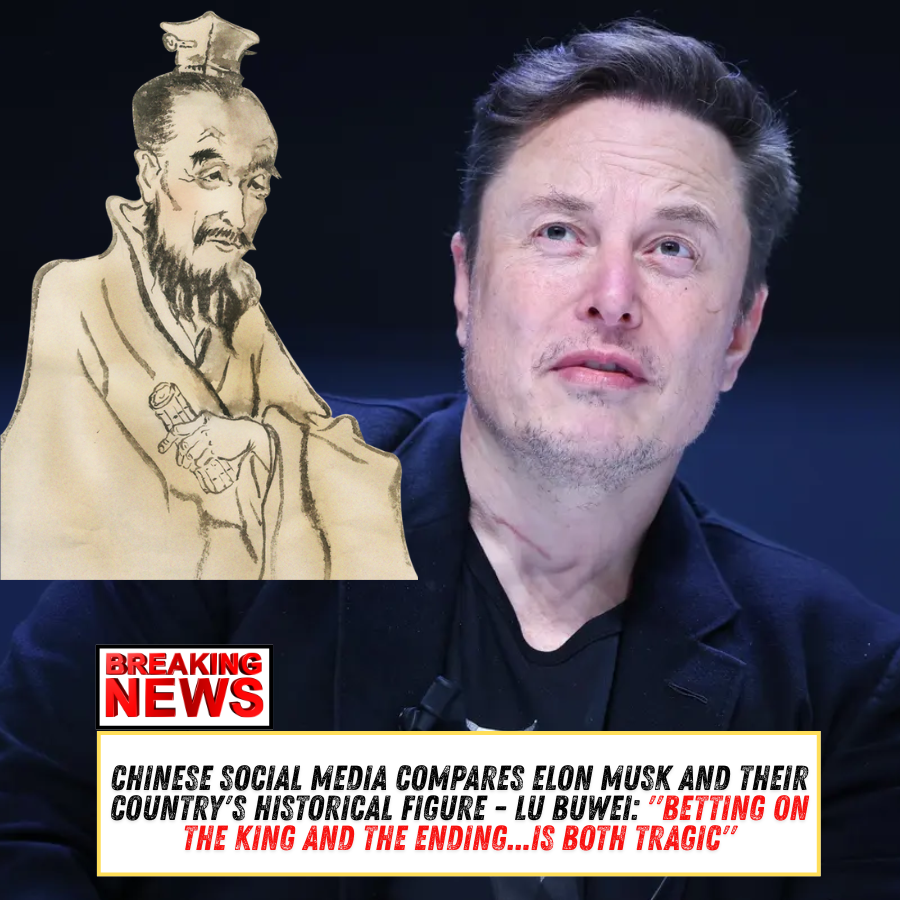
Chinese Social Media Compares Elon Musk to Historical Figure Lu Buwei: “Betting on the King Ends Tragically”
From Lu Buwei’s Historical Gamble to Elon Musk’s Modern Political Moves: Will the Repetition of History Occur?
Lu Buwei and Elon Musk: Different Eras, Same Risk-Taking Strategy
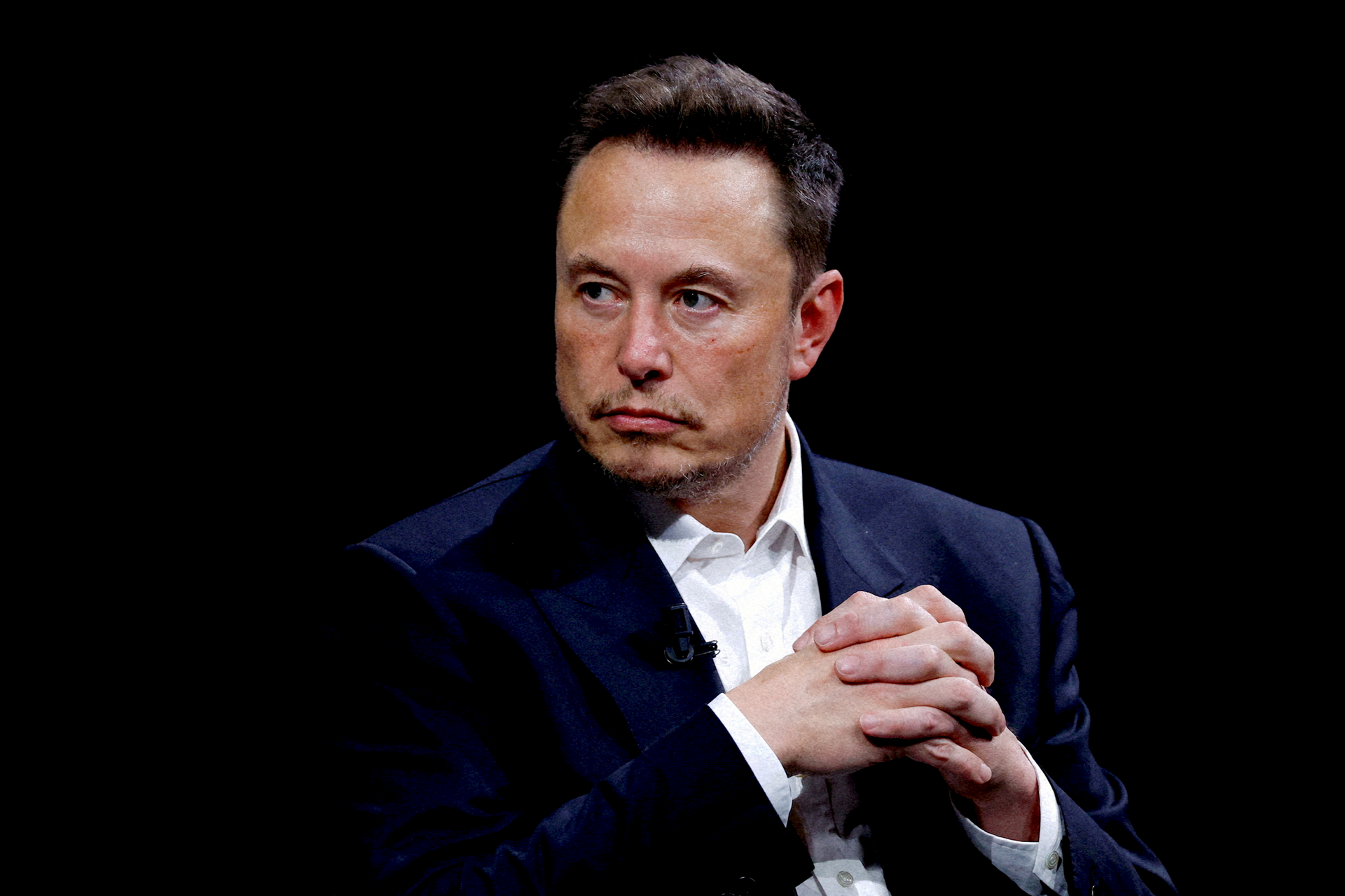
Lu Buwei, a renowned Chinese merchant and strategist, learned early on that trading in power—“trading kings”—could bring both wealth and influence. His sharp business mind allowed him to maneuver politically, guiding the rise of Qin Shi Huang, China’s first emperor. Buwei’s ambitious tactics included manipulating court officials and forging alliances, ultimately aiding his protégé’s ascendancy.
His boldness was exemplified when he offered to expand Zi Chu’s residence as a bargaining chip and arranged marriage between his concubine Zhao Ji and Zi Chu. He invested heavily in the future emperor’s lineage, supporting the formal adoption of his son Ying Zheng, who would unite China under the Qin dynasty.
Despite his achievements, Lu Buwei’s career ended tragically when political rivals exposed his affair with the empress dowager Zhao Ji, leading to his exile and subsequent suicide—highlighting the peril of overreach in the pursuit of power.
Elon Musk: The Modern “King Trader” in Politics
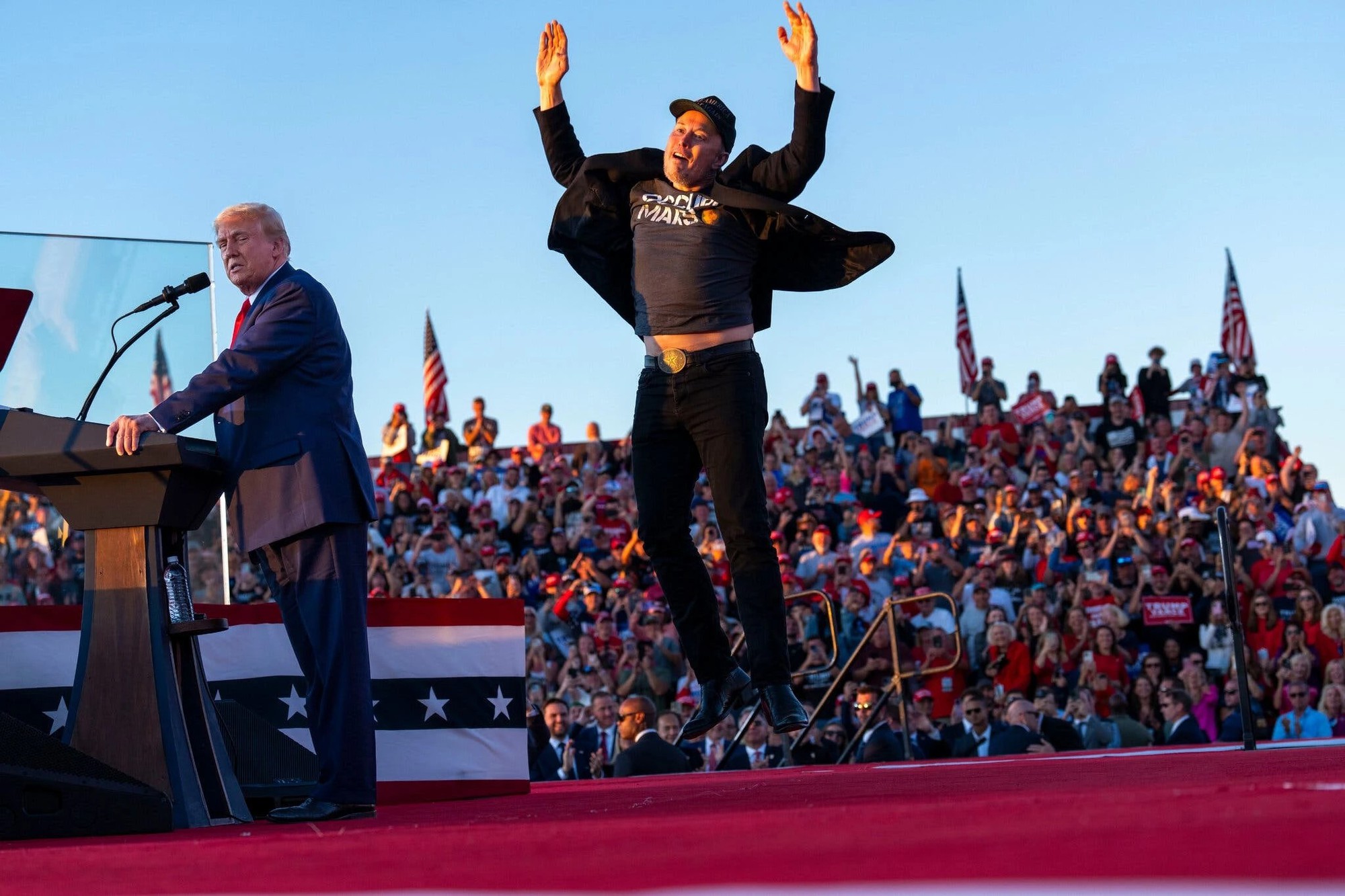
Similarly, Elon Musk, the billionaire behind Tesla and SpaceX, has taken substantial risks in the political arena. Supporting Donald Trump’s campaign, Musk invested over $175 million and employed aggressive outreach strategies, including door-to-door campaigning, digital ads, and enticing promises like $1 million rewards for free speech advocates.
His involvement extended to efforts aimed at mobilizing “unlikely” voters in key states, bolstering Trump’s chances in the 2024 election. After Trump’s victory, Musk was even appointed as a “special government official,” signaling his influence on policy decisions. However, he soon withdrew from the role, and tensions emerged—culminating in Musk criticizing Trump publicly.
Repetition or Reflection of History?
Historical parallels draw a striking comparison: Lu Buwei’s behind-the-scenes manipulations helped set the stage for China’s unification, much like Musk’s strategic support influenced U.S. politics. Both figures wielded influence behind the scenes, shaping leadership and legacy.
Yet, the futures of these power players remain uncertain. Just as Lu Buwei’s ambition led to a tragic end, questions arise about Musk’s trajectory amid shifting political tides and personal ambitions.