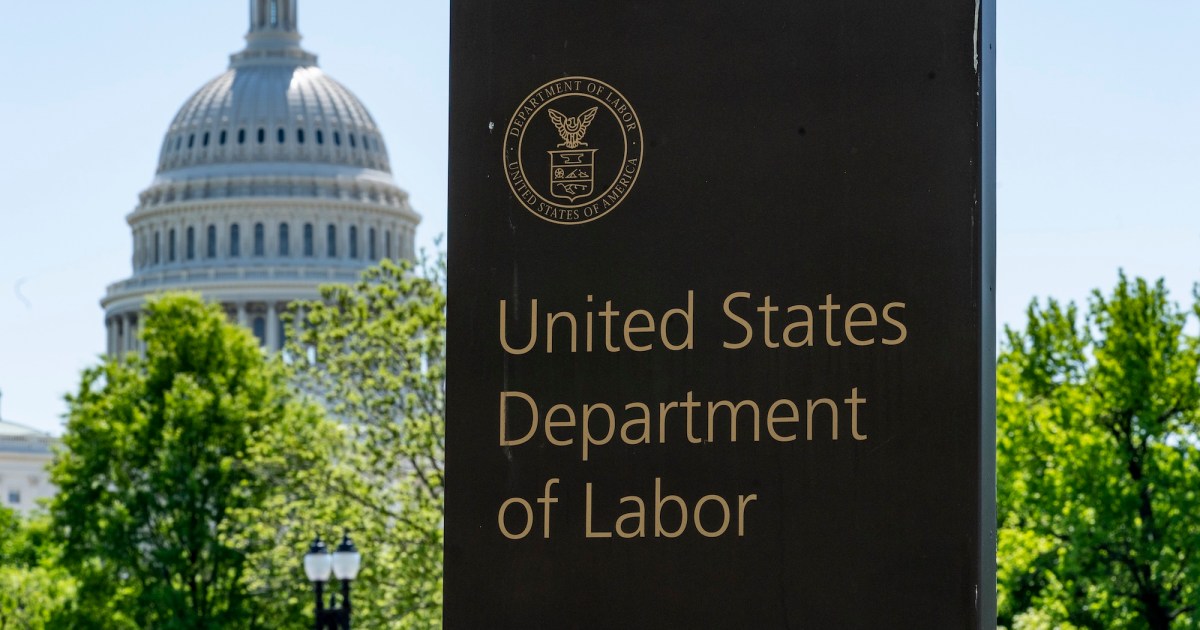
Labor Dept Ends Disability Hiring Goal for Federal Contractors
Potential Rollback of Disability Hiring Goals for Federal Contractors

In 2013, the Obama administration implemented a subtle yet significant rule requiring federal contractors to employ at least 7% of workers with disabilities. Established to address employment disparities and combat biases contributing to high unemployment among disabled individuals, this target aimed to promote inclusivity and economic independence for disabled workers.
Over the past decade, these guidelines encouraged increased hiring of disabled employees, narrowing wage and employment gaps. However, this policy is now under threat. On July 1, the Department of Labor, under Secretary Lori Chavez-DeRemer, proposed a new rule to eliminate the existing disability employment goal and cease collecting data on disability status among federal contractors. The Department claims that maintaining these practices conflicts with protections against disability-related inquiries before a job offer is made, as dictated by the Americans with Disabilities Act.
The public can comment on this proposal until September 2. Afterward, the Department appears poised to implement the change.
“Instead of expanding opportunities for people with disabilities, we’re rescinding them.”
Advocates like Anupa Iyer Geevarghese, former deputy director of policy at the Labor Department, criticize this move, arguing it undermines protections and enforcement of Section 503 of the Rehabilitation Act. She questions the rationale behind removing provisions that support disability employment, noting the lack of significant opposition from employers to the 7% goal, which she considers reasonable.
Disability-focused hiring initiatives have historically benefited from strong industry cooperation and increased workforce diversity. Researchers highlight that such programs, including partnerships with community organizations, have expanded employment opportunities and fostered environments where workers feel comfortable disclosing disabilities, facilitating necessary accommodations.
During Trump’s first term, similar attacks on disability rights have occurred, including efforts to cut Medicaid and weaken employment protections. The current proposal appears part of a broader pattern of policies that challenge the rights and opportunities of disabled individuals, often introduced during periods of heightened advocacy, such as during Disability Pride Month.