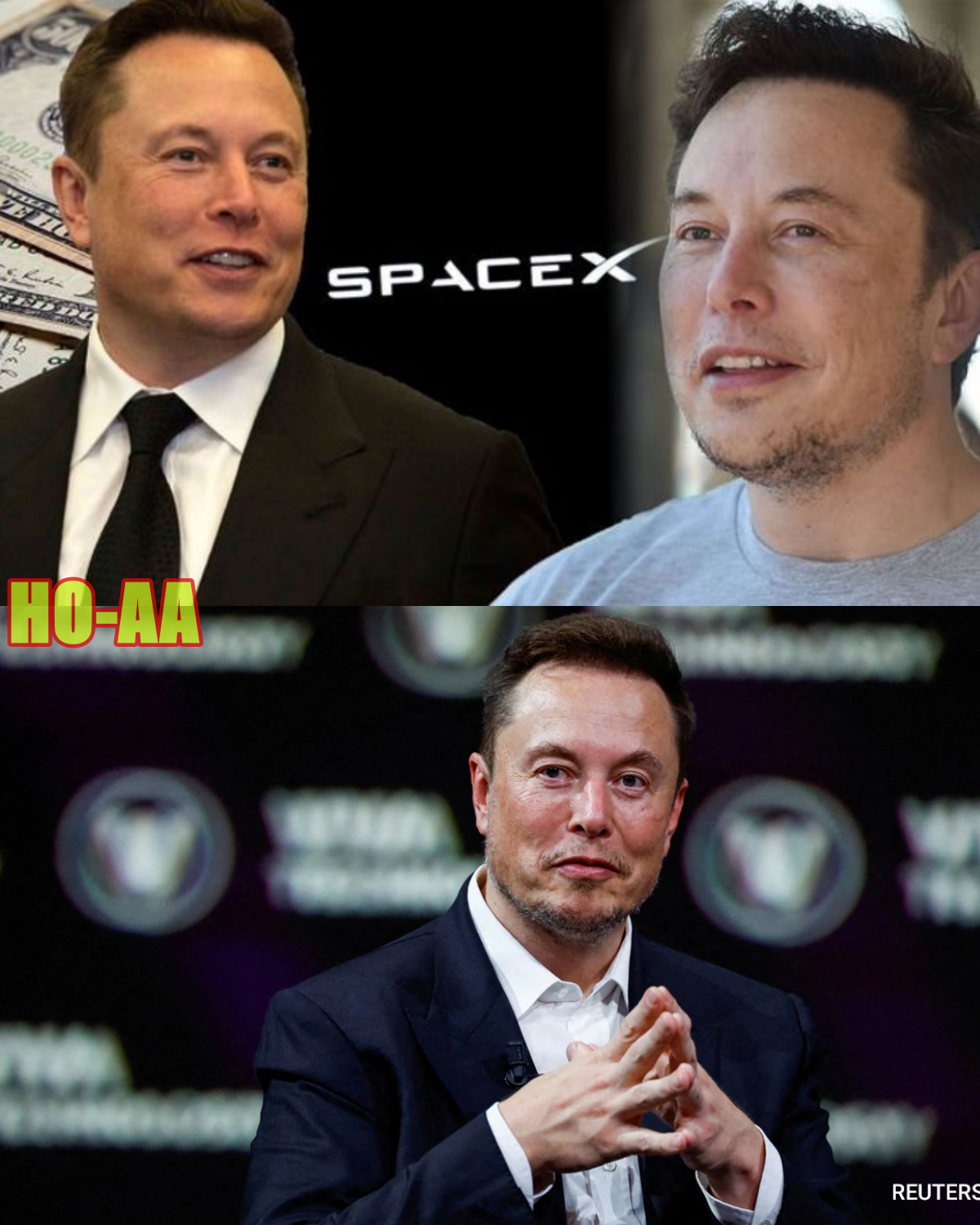
Elon Musk’s Journey to SpaceX and Wealth
The Unlikely Journey of Elon Musk
In 2002, Elon Musk, then known for co-founding PayPal, announced his ambitious goal to colonize Mars. Despite widespread skepticism, Musk invested $100 million of his own money to establish SpaceX, aiming to revolutionize space travel. His vision faced early setbacks, including three failed launches of Falcon 1 between 2006 and 2008, and industry insiders doubted his ability to compete with established aerospace giants.
Against the odds, a breakthrough occurred on September 28, 2008, when Falcon 1 became the first privately developed liquid-fueled rocket to reach orbit, earning a $1.6 billion NASA contract. This milestone propelled SpaceX into the mainstream, establishing it as a major player in commercial space launches.
Further innovation arrived with the Falcon 9 rocket, designed for routine missions and featuring reusable first stages—an industry first. After several initial failures, SpaceX landed a Falcon 9 booster upright on a drone ship in 2015, dramatically reducing launch costs by over 60% and transforming the economics of spaceflight.
By 2020, SpaceX had become the world’s leading private launch provider, with contracts from NASA, the military, and commercial clients. The development of Starship, a fully reusable super-heavy launch system, became Musk’s next moonshot—aiming to carry over 100 people to Mars and revolutionize space transportation.
To fund his martian ambitions, Musk built Starlink, a satellite constellation delivering high-speed internet worldwide, especially in remote regions. By 2025, it comprised over 6,000 satellites and generated more than $8 billion annually, giving Musk strategic influence on global communications.
Unlike many wealthiest individuals, Musk’s fortune is rooted in equity from his startups, with SpaceX’s valuation soaring from $12 billion in 2015 to over $137 billion in 2023. His holdings, combined with Tesla and Starlink, push his net worth beyond $260 billion, making him the richest person alive.
Musk’s ultimate goal is to make humanity a multiplanetary species—believing it’s the only way to safeguard against extinction from climate change, pandemics, or asteroid impacts. Despite criticism and challenges—including labor disputes and security concerns—his actions continue to reshape the future of space exploration and technology.