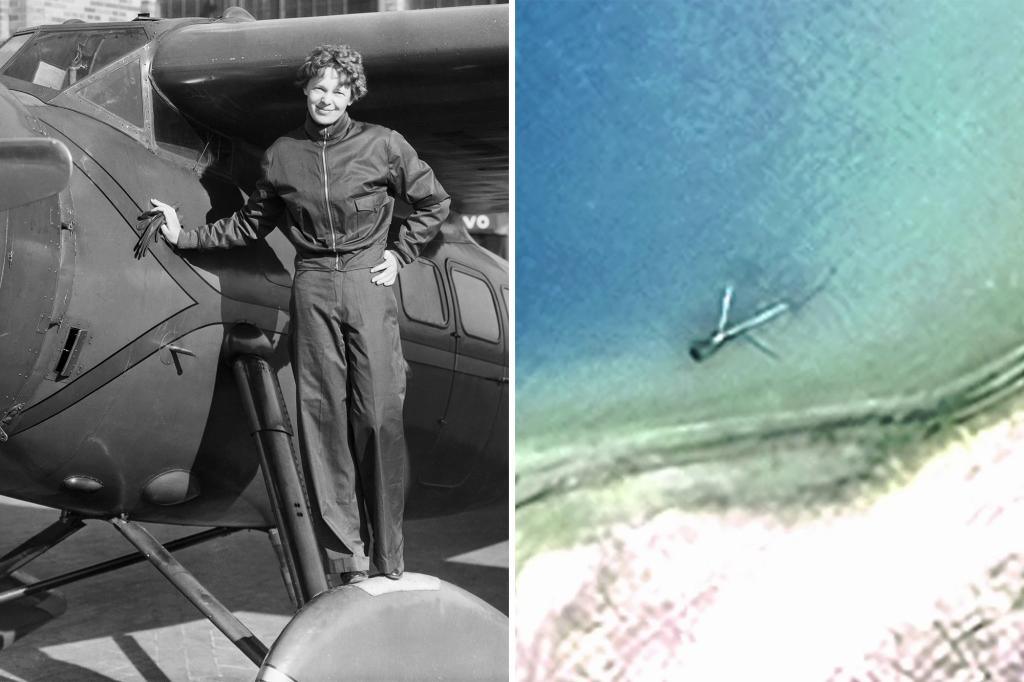
Purdue Researchers Launch New Search for Amelia Earhart’s Lost Plane in Remote Pacific Island
New Effort to Locate Amelia Earhart’s Lost Plane
Researchers from Purdue University are preparing to launch a new expedition aiming to uncover the whereabouts of Amelia Earhart’s missing aircraft, based on recent evidence suggesting it may have crashed on a remote South Pacific island.
In partnership with the Archaeological Legacy Institute, the team plans to visit Nikumaroro Island in November to investigate the so-called “Taraia Object.” Discovered through satellite imagery following a 2015 tropical cyclone, the object is believed to be part of Earhart’s Lockheed 10-E Electra, which vanished during her worldwide flight attempt in 1937.

Satellite images captured in 2015 revealed potential clues of the aircraft on Nikumaroro, fueling longstanding speculation that the island holds the key to her mysterious disappearance. Despite previous efforts—including the discovery of human remains in 2017—conclusive proof of her landing there has yet to be found, and the Taraia Object remains elusive amid shifting sands.

The upcoming expedition will depart from the Marshall Islands on November 5, with researchers spending five days exploring Nikumaroro for evidence. If successful, plans will be made for a more extensive excavation next year to recover the aircraft’s remains.
Chief among supporters, the Purdue Research Foundation has been committed to Earhart’s aeronautical explorations since 1935. The collaboration aims to resolve one of aviation history’s greatest mysteries and reignite interest in female pioneers in aviation and innovation.

Richard Pettigrew, executive director of the Archaeological Legacy Institute, emphasized the significance of this effort: “This is potentially the greatest opportunity to finally close the case of Earhart’s disappearance.”
Earhart, renowned for her pioneering solo flight across the Atlantic and her role as a Purdue adviser, vanished during a flight from Papua New Guinea to Hawaii, with her radio communications ceasing amid challenging weather conditions. The U.S. Navy and Coast Guard mounted a 16-day search, but she was declared dead in 1939.