Student Loan Restrictions Explained: Key Changes You Need to Know
New Student Loan Legislation Significantly Limits Federal Borrowing Options
A recent law, known as the “Big Beautiful Bill,” marks a sharp reversal from previous efforts to forgive student debt, introducing substantial restrictions on federal student loan programs. It sets strict borrowing caps for students and families, reducing access to federal aid and limiting repayment choices.
The legislation, effective August 1, with some provisions starting in July 2026, will likely push students toward private lenders, which often come with higher interest rates and less flexible repayment terms. Experts warn this could result in increased financial strain and potentially higher dropout rates, as students seek more affordable career training outside traditional college pathways.

The White House justifies these changes as a way to protect taxpayers from rising loan debt and to encourage colleges to reduce prices, which have more than doubled over the past three decades.
Borrowing Restrictions
Starting in July 2026, parents using the Parent PLUS program will be limited to borrowing $20,000 annually, with a total cap of $65,000 per student. Existing loans exceeding these limits will be unaffected.
Graduate students seeking PLUS loans will face annual limits of $20,500, with a lifetime cap of $100,000 for master’s degrees, and $50,000 annually for professional degrees like law or medicine, with a total ceiling of $200,000.
Impact on Deferments and Repayment
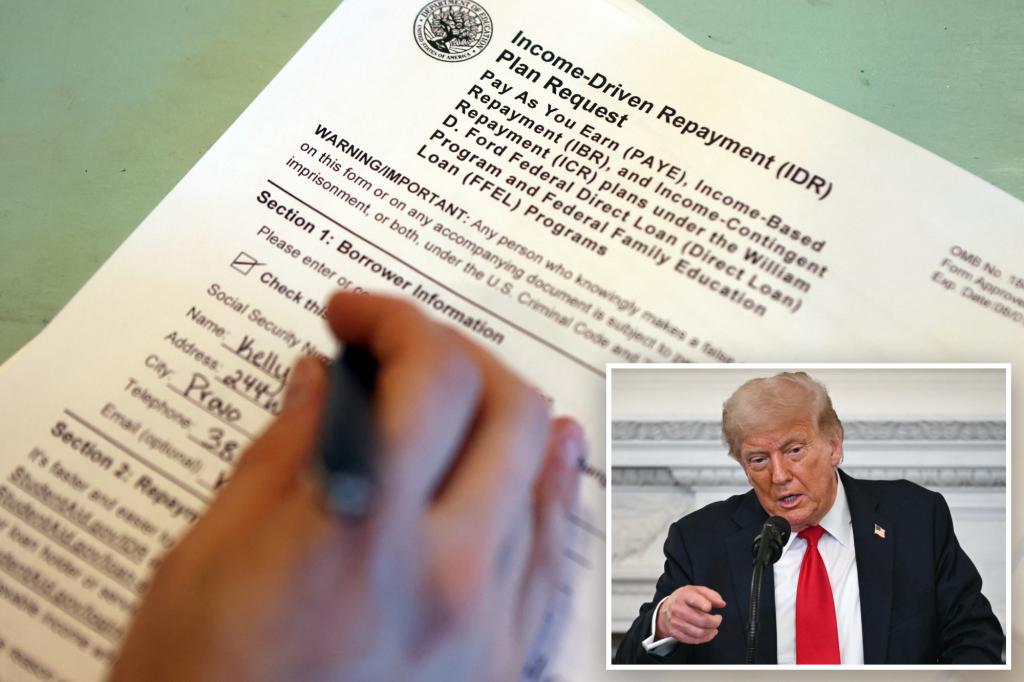
The new law eliminates unemployment and income-based hardship deferments for federal loan borrowers after July 2027. Additionally, the number of repayment plans will decrease from seven to two, offering either a fixed-term repayment (10-25 years) or an income-driven plan allowing payments of 1% to 10% of monthly income, with loans forgiven after 30 years—an extension from previous forgiveness timelines.
Private Lenders and Alternative Options
While the legislation does not regulate private lenders, many, like SoFi, are preparing to fill the void, often with higher interest rates and stricter qualification criteria. Scholars suggest this shift could prompt students to opt for trade schools or community colleges, especially as Pell Grants are being scaled back for low-income students, though some workforce-training programs are being expanded.
Experts emphasize families should consider lower-cost educational routes, as government support tightens and loan access becomes more restricted.