NYC’s Mayoral Race Could Decide the Future of the Entire U.S. — You Won’t Believe What’s at Stake!
New York’s 2024 Election Reveals Democratic Party’s Deepening Crisis
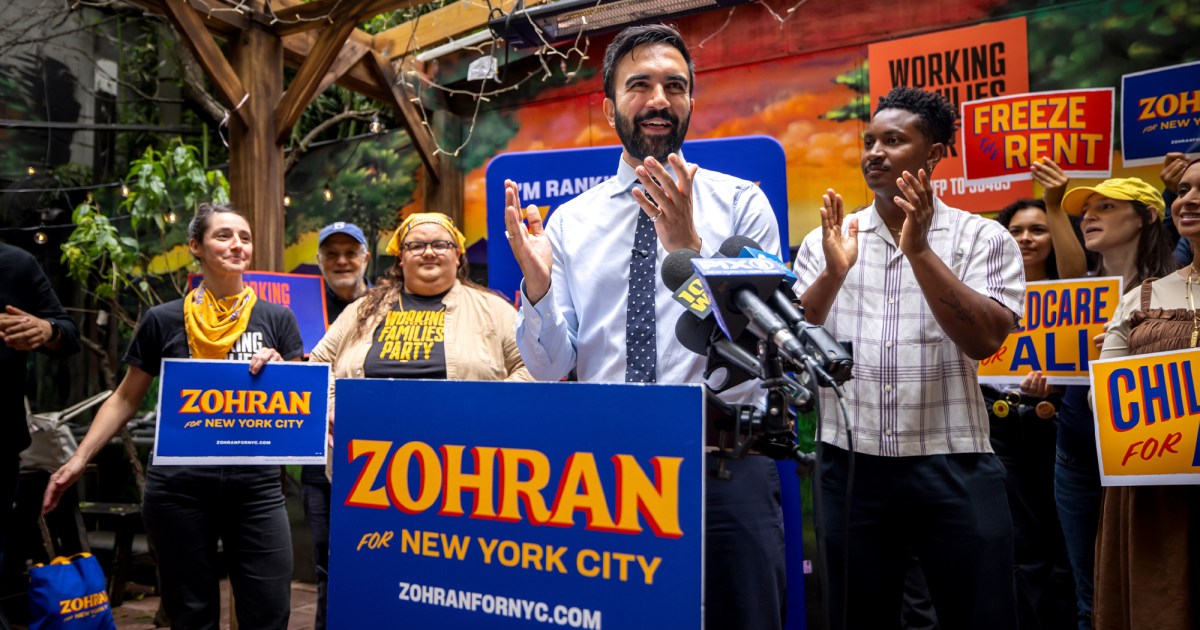
A recent viral video by Bronx Assemblyman Zohran Mamdani highlights the disconnect between Democrats and working-class voters in New York City. Filming on neighborhood streets, Mamdani asked residents who they voted for and why. Many explained they either voted for Trump or abstained, citing frustrations over rising living costs, ongoing conflicts like in Gaza, and perceived Democratic neglect.
Trump’s performance in New York City surged—gaining nearly 100,000 votes more than in 2020—while Democratic support waned, especially among immigrant and working-class communities. The districts with the largest swings toward Trump were all in Queens or the Bronx, underscoring a national trend: Democratic support eroded in long-held strongholds where they’ve governed for years.
As the city prepares for its mayoral primary, the race exposes deeper conflicts within the Democratic Party. Candidates like Mamdani critique entrenched leadership, notably former governor Andrew Cuomo, who resigned amid sexual harassment allegations. Many voters blame Cuomo and similar figures for the party’s decline, arguing that old-guard strategies and dismissiveness have alienated core constituencies.
Mamdani campaigns on addressing the city’s “affordability crisis,” proposing progressive policies such as tax hikes and rent freezes. His message resonates with a new generation of Democrats eager to challenge the status quo—evidenced by recognizable support from local Democratic Socialists and younger voters.
In contrast, Cuomo’s campaign, emphasizing crime and economic worries, paints a picture of city in crisis—highlighting migrant influx, homelessness, and public safety issues. Critics argue this portrayal oversimplifies complex social problems rooted in housing shortages, bureaucratic failures, and pandemic impacts.
The political landscape in New York reveals a fractured party struggling with disillusionment and voter disengagement. Turnout in recent elections has plummeted, illustrating the widening gap between party leadership and its constituents. The city’s struggles—ranging from public safety to economic hardship—serve as a microcosm of the broader challenge facing Democrats nationwide: how to reconnect with voters who feel ignored and disillusioned.
Ultimately, the outcomes in New York City serve as a warning: neglecting urban, immigrant, and working-class communities risks further electoral decline and a fractured Democratic future.