Voting Rights Under Threat: Supreme Court’s New Challenge
Legal Challenge Poses Threat to the Voting Rights Act

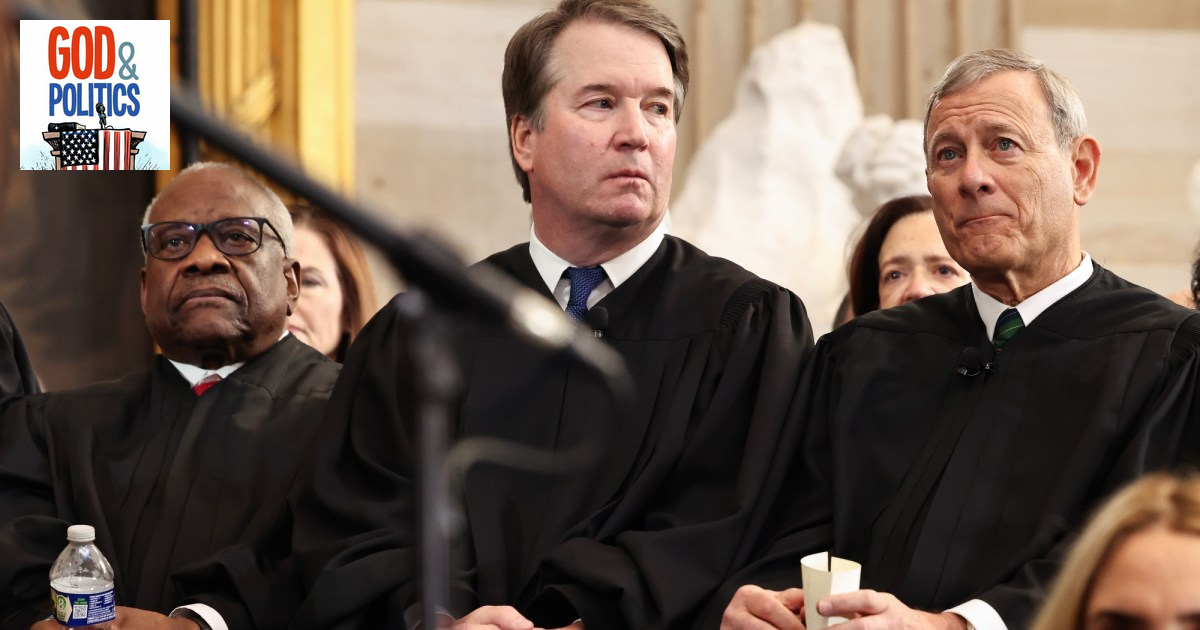
The current Supreme Court, led by Chief Justice John Roberts, has been steadily weakening civil rights laws over the past two decades. This week, it hears arguments in a case that could critically undermine the 1965 Voting Rights Act (VRA), a cornerstone of protecting minority voting rights in America.
The case centers on Section 2 of the VRA, which prohibits voting practices that discriminate against voters based on race. It was instrumental in dismantling Jim Crow restrictions and has enabled the creation of districts where racial minorities can elect representatives of their choice. To weaken or eliminate this section would risk allowing states to exclude minorities from political power across the country, especially in the South.
The challenge arises from a group of non-Black Louisiana voters, backed by Republican lawyers, claiming that the creation of a second majority-Black district in Louisiana infringes on their rights under the Fourteenth and Fifteenth Amendments. They argue that establishing districts to empower Black voters is racial discrimination against white voters, claiming that Section 2 now promotes discrimination itself. This contentious view reopens debates on whether protections intended to foster equality are, in fact, creating racial biases against whites.
This case was originally expected to be decided last term, but the Court has delayed ruling and is now reexamining whether using Section 2 to protect minority political opportunities constitutes unconstitutional racial discrimination. With a 6-3 Republican-appointed majority, there is concern that the Court will adopt a stance that could erode decades of civil rights progress.
The Louisiana Black Legislative Caucus, representing Black voters and elected officials, warns that removing Section 2 protections would exacerbate racial discrimination. They cite ongoing incidents of racism faced by Black candidates and constituents, including racial slurs, threats, and discriminatory campaigning, emphasizing that effective voting rights protections are vital to preventing the rollback of Black political representation.
Conversely, the plaintiffs and their lawyers argue that current conditions no longer justify federal oversight, suggesting that creating majority-Black districts unfairly disadvantages white voters. Some of their claims rely on exaggerated notions of racial conflict, asserting that racial distinctions are a zero-sum game and emphasizing a supposed decline in racial tension.
Implications of the Case
Weakening the VRA’s protections would open the door to racially gerrymandered districts designed to dilute minority voting power. This could lead to a resurgence of discriminatory district maps that entrench racial segregation in politics, eroding the very protections that aimed to promote fairness and equality in voting for all Americans.