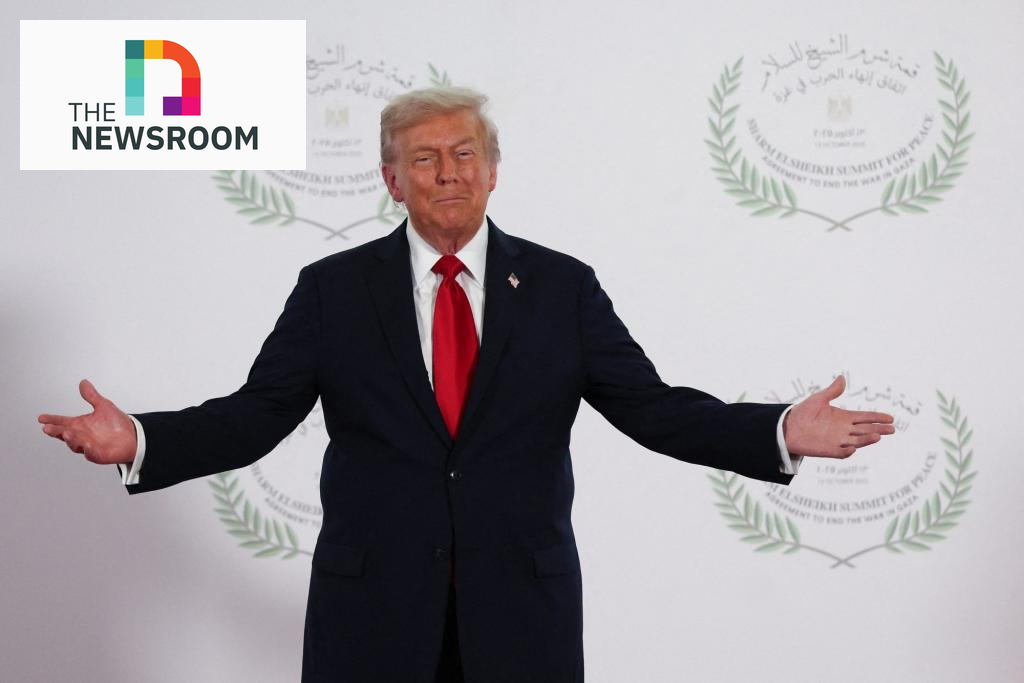
Trump’s ‘America First’ Doctrine Sparks Mideast Miracle
President Trump Achieves Breakthrough in Middle East Peace
President Donald Trump has orchestrated a remarkable cease-fire in Gaza, leading to the release of 20 hostages held by Hamas since October 7, 2023. This diplomatic success has been met with widespread relief and celebration both in Israel and Gaza, marking a significant step toward a broader peace agreement that could transform the Middle East and potentially resolve the Israeli-Palestinian conflict permanently.
What makes this achievement particularly notable is its cost-effectiveness; unlike traditional American foreign policies that rely heavily on military spending and extensive aid, Trump’s approach employed strategic trade leverage. He credits tariffs with playing a crucial role in bringing Arab nations to the negotiation table, asserting that economic sanctions have “brought peace to the world.”
During interviews, Trump emphasized that his policy intertwined domestic economic initiatives with foreign diplomacy. By raising tariffs to rebuild American manufacturing and counteract unfair trade practices, he also aimed to influence international stability. These tariffs are part of a broader strategy to restore American industry, reduce fentanyl flow, and lower medicine prices, illustrating how trade policy serves multiple national interests.
Economic Ties Foster Peace
The peace process was bolstered by Trump’s efforts in the Middle East, which included securing investments from Gulf nations into U.S. manufacturing and AI sectors during visits to the region earlier this year. These financial commitments fostered trust and partnerships beyond ideological ties, focusing instead on mutual economic gain.
Unlike previous administrations that prioritized exporting American values and democracy, Trump prioritized shared economic prosperity—”sharing value” rather than shared ideals. This pragmatic approach helped garner support from regional powers like Qatar, Turkey, Saudi Arabia, and Egypt, creating a collective economic framework that aligns their interests with peace and stability.
By linking foreign relations to economic incentives, Trump demonstrated that his foreign and domestic policies are interconnected, with tariffs playing a central role. His strategy underscores that economic cooperation can serve as a foundation for lasting peace, benefiting the American middle class and stabilizing global relations.