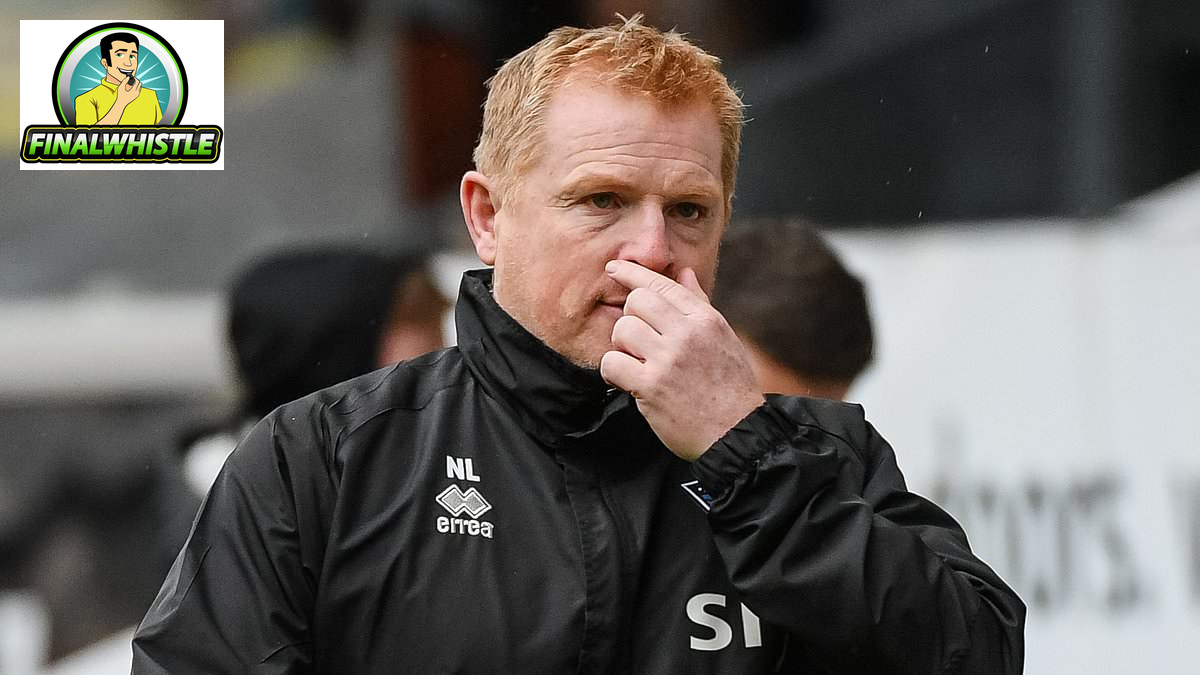
Neil Lennon’s Challenges at Dunfermline: What’s Going Wrong?
Dunfermline Athletic: From Past Glories to a Challenging Present
Known as ‘The Queen of the Provincial Clubs’ in Italy for their disruptive style in Serie A, Atalanta has earned respect for challenging the status quo. Similarly, Dunfermline Athletic once enjoyed moments of European success in the 1960s and achieved regular top finishes under Jimmy Calderwood in the early 2000s. Despite long absences from the top flight since 2012, their strong fanbase maintains attendance levels comparable to some Premiership teams.
Following a difficult period marked by poor managerial choices, unpopular ownership, and three relegations in 12 years, Dunfermline embarked on a significant reorganization this summer. New owners, James Bord and Evan Sofer—both with backgrounds in data and AI—overhauled the club, appointed Celtic legend Neil Lennon as manager on a two-year deal, and signed 12 players, six of whom involved transfer fees.
Initial results showed promise: close to reaching the League Cup knockout stages and sitting just behind second place in the Championship after a dominant win. However, recent setbacks—three losses and one draw—have seen them drop to seventh, just above relegation playoffs. Issues such as injuries, disciplinary problems, and fixture congestion have hampered their momentum, prompting Lennon to acknowledge the need for more experienced players on the squad.

Despite challenges, optimism persists among supporters. The club has added talented youth like 19-year-old Andrew Tod, son of club legend Andy Tod, who already has seven goals this season. The squad is relatively young, with an average age of just 22, reflecting a longer-term rebuilding approach. Fans appreciate the club’s improved communication and ambitious vision from new ownership, who have also brought back club icon Jim Leishman as chairman and launched a popular new kit inspired by a skate punk album.
Looking ahead, the next four weeks are crucial, starting with a key derby match at home. Success in these fixtures could help Dunfermline climb the league standings. While meeting expectations remains a challenge, most see a top-half finish as reasonable, with a playoff spot next May a realistic target. Ultimately, consistent results and strategic growth are essential for the club to shed its underachievement reputation and restore its competitive legacy.