ICE Sends People to Prison in Africa’s Only Absolute Monarchy
Eswatini’s Role in U.S. Deportations and Human Rights Concerns
Eswatini, formerly Swaziland, is Africa’s last absolute monarchy, where King Mswati III has ruled for over 40 years. Despite warnings of violence against political opponents, human rights advocates are increasingly concerned about its role in U.S. immigration enforcement.
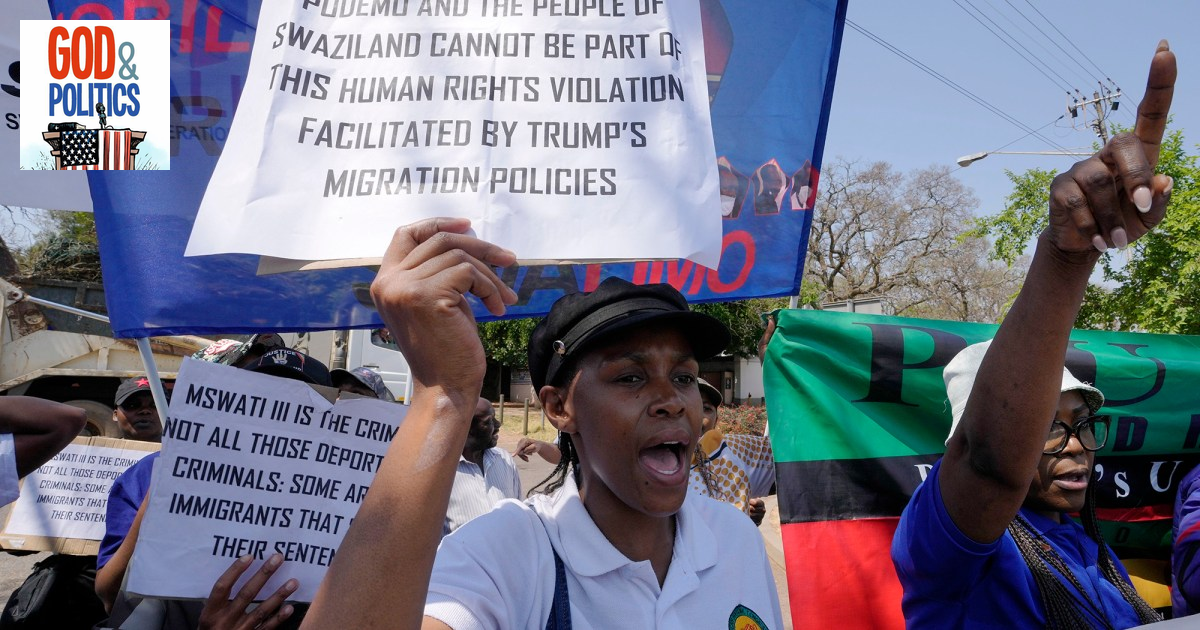
Recent arrangements between the U.S. and Eswatini have allowed the U.S. to deport individuals to the small nation, with the U.S. paying Eswatini over $5 million to accept up to 160 deportees considered “third country nationals.” The first detainees arrived in July, only to be detained in maximum-security prisons without clear legal procedures, according to attorneys. Currently, fifteen men—none from Eswatini—are held under the authority of the monarchy.
Legal experts describe this practice as a “black hole” — detainees are detained without proper legal recourse and lack access to representation, which lawyers like Tin Thanh Nguyen describe as “unimaginable under previous administrations.” Despite court orders to facilitate attorney access, authorities continue to deny legal meetings, citing vague policies and the palace’s opaque rules.
This deportation practice extends beyond Eswatini, echoing earlier controversial transfers to facilities like the CECOT prison in El Salvador and to South Sudan, often involving individuals with no criminal record or close ties to the destination countries. Critics argue that the government is increasingly normalizing the indefinite detention and deportation of migrants to countries with questionable human rights records.
The administration’s legal maneuvers, including evading court orders through Supreme Court rulings, have enabled these transfers. Lawyers argue these deportations violate legal standards, especially when individuals are sent to countries where they face risks or where agreements may not adhere to legal protocols.
Efforts to challenge these deportations are ongoing. Lawyers like Nhlabatsi have filed lawsuits to gain access to deported clients, but bureaucratic and political hurdles persist. The situation highlights serious concerns about human rights, due process, and the influence of authoritarian regimes in U.S. immigration policies.