America’s First Climate Relocation Effort Sparks Regret
The Challenges of Climate-Driven Relocation in Louisiana

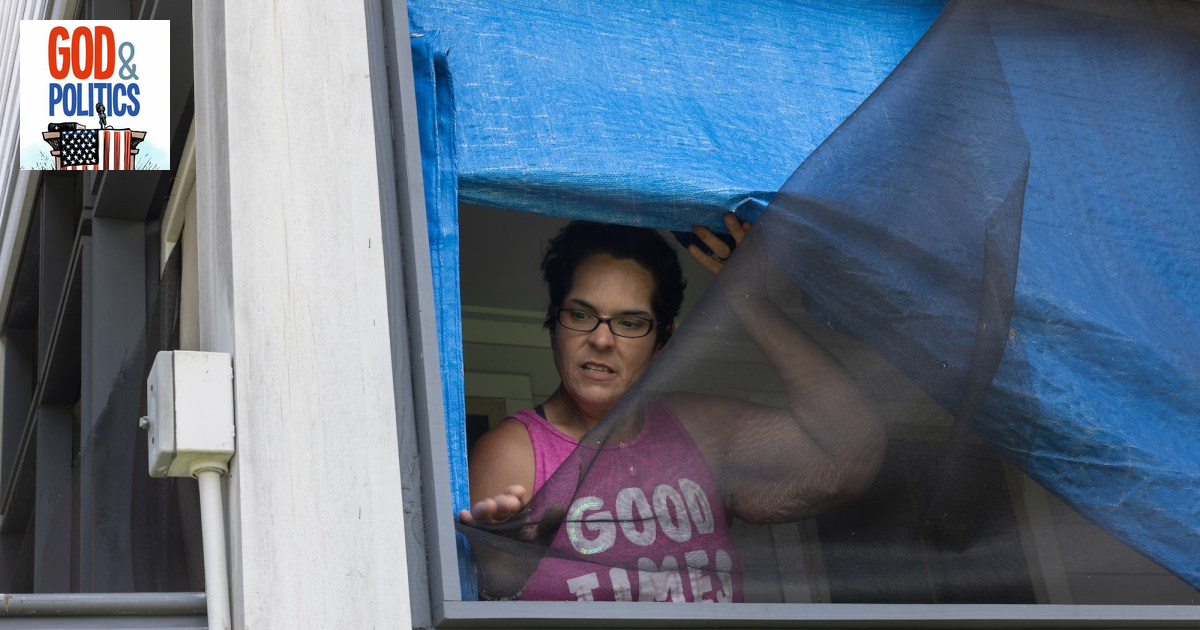
Kristi Naquin shows areas where leaks occur in her house, part of the Isle de Jean Charles resettlement.
Leaving behind his ancestral community on Louisiana’s coast was among the most difficult decisions for Chris Brunet. For generations, his family had called Isle de Jean Charles home, a land now shrinking due to rising seas, storm damage, and human-made alterations. In 2016, the federal government allocated $48.3 million to relocate 37 residents from this vulnerable area—the first community-wide relocation fully funded by the U.S. government.
Once spanning over 22,000 acres, the island has eroded to about 320 acres, cleared by hurricanes, sea-level rise, and erosion. Today, only a few dilapidated homes remain, with some used for recreation. Brunet laments the loss of his childhood home and his connection to his Native American roots.
Relocation efforts faced hardships: new homes are often plagued with leaks, faulty appliances, and structural issues, reflecting rushed construction deadlines amid limited funding. Many residents, including Brunet, now live in subpar housing in a community called New Isle, which could itself become submerged if climate predictions worsen.
Nationally, Louisiana’s coastal land loss is alarming. The state houses 40% of the nation’s wetlands, crucial for storm protection. Despite a master plan to restore the coast, major projects like the Mid-Barataria Sediment Diversion have been canceled due to high costs and permitting issues. Federal support remains limited, and programs aimed at community relocation or mitigation have faced budget cuts.
Relocations have caused fractures within tribes. The original plan aimed to reunite the Biloxi-Chitimacha-Choctaw people but was complicated by political disputes and differing tribe interests, leading to community tensions and dissatisfaction with the process.
Experts emphasize the importance of community-led, voluntary relocations but acknowledge that Louisiana and other states lack comprehensive plans or funding to manage widespread climate migration effectively. Meanwhile, rising insurance costs and environmental degradation continue to push residents away from their ancestral lands.
Overall, the Louisiana experience underscores the difficulties in adapting to climate change, highlighting the urgent need for federal and state strategies to support vulnerable communities before displacement becomes unavoidable.