Girl Scout Finds NYC Pond Has Lost 94% of Its Depth, Endangering Wildlife
Golden Pond in Bayside’s Crocheron Park Faces Environmental Crisis
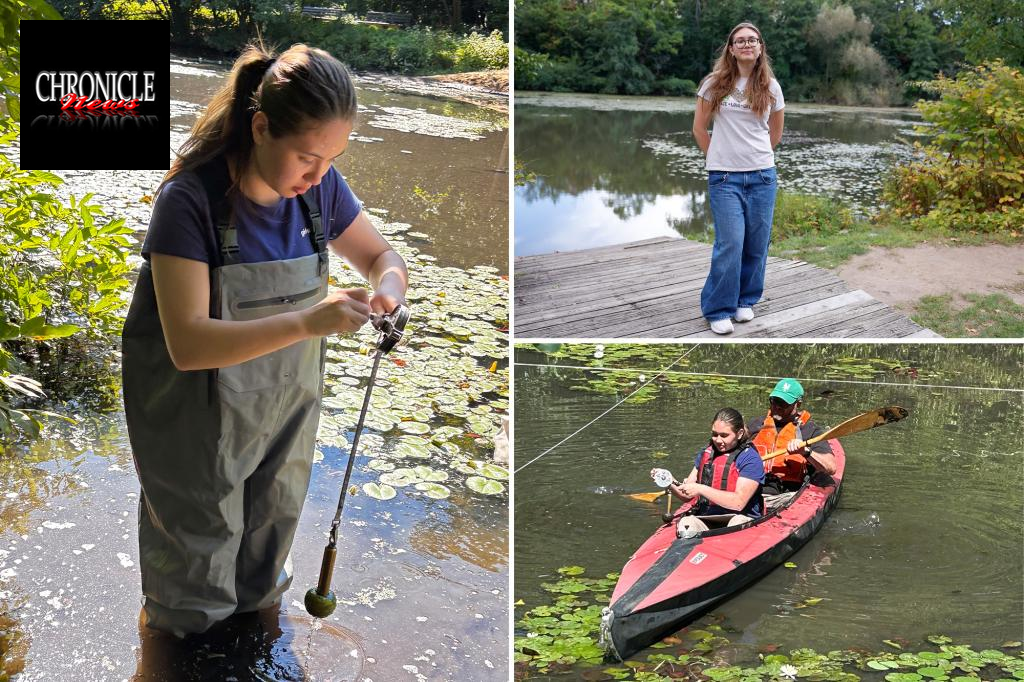
A cherished pond in Queens has suffered a dramatic reduction in depth—losing nearly 94% in some areas—which threatens the survival of its aquatic life, including fish, turtles, and waterfowl. This alarming development was uncovered by a teenage Girl Scout conducting water quality tests for her Gold Award project.
Emilia McKinney, 17, discovered that Golden Pond is heavily contaminated with pollutants such as fecal matter, algae, and other waste. She spent seven weeks monitoring the pond’s water, testing nine different factors, including pH, oxygen levels, temperature, and nutrients, finding the water to be of poor quality, often rated as “very bad.”
The pond, nicknamed “Turtle Pond,” is situated in a basin that collects runoff, sewage overflow, and sediment from surrounding slopes. Its shallow state, especially the area now only six inches deep compared to over 7 feet in 1969, makes it vulnerable to warming and algae blooms, which deplete oxygen and threaten aquatic life.
The issue was aggravated when Hurricane Ida caused flooding and damaged a retaining wall above the pond in 2021, allowing debris and sediment into the water. The ongoing failure of this wall, which is maintained by a nearby homeowner, continues to worsen conditions, exacerbated by heavy storms, including a major July flood.
McKinney’s measurements revealed severe deterioration, with the shallowest part now only a fraction of its original depth, making the pond’s ecosystem increasingly fragile. Elevated temperatures and nutrient overload promote algae growth, contributing to a cycle of declining water quality.
While some city officials believe the pond remains relatively healthy, Emilia argues that neglect and limited funding hinder proper care. She advocates for a thorough investigation and remediation efforts to prevent total ecological collapse.
City ecologists and parks officials acknowledge her concerns but suggest that current assessments show support for local wildlife. Nonetheless, Emilia emphasizes the need to address the damage, especially the unstable retaining wall which allows ongoing sediment influx.
Future concerns
Without intervention, worsening conditions could lead to increased flooding of nearby roads such as Cross Island Parkway and the potential loss of the pond’s habitat. Emilia urges local authorities and residents to prioritize restoring and protecting this valuable urban natural space.