Xi’s Military Parade Reveals China’s Growing Power and Threat
China Demonstrates Military Strength Amid Global Watchers
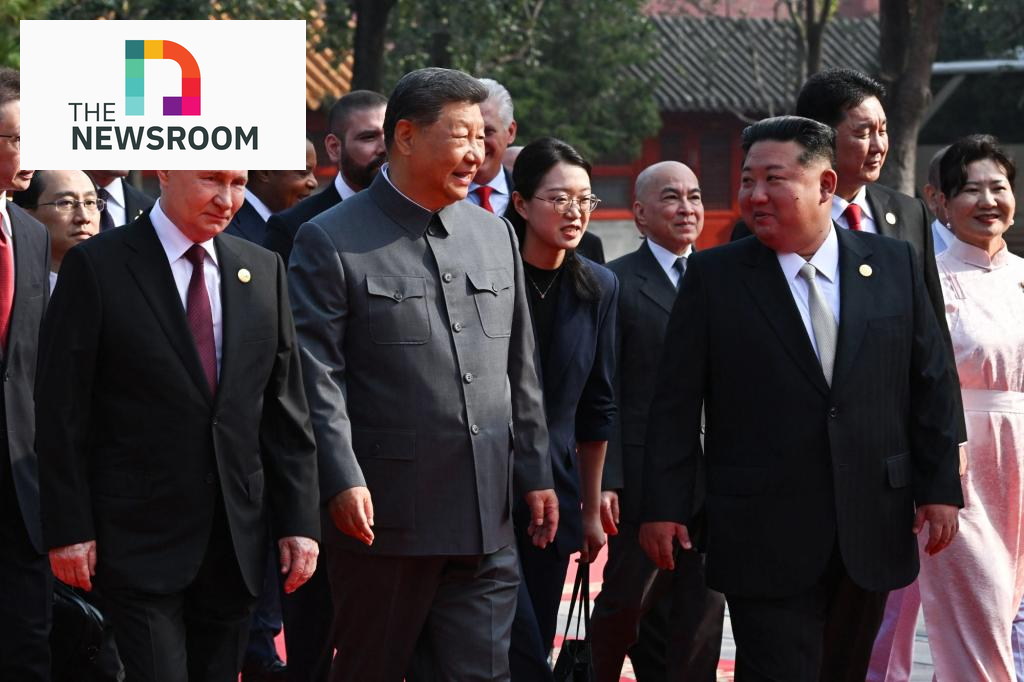
China showcased its military advancements in a large parade, attended by leaders from Russia, Iran, and North Korea. The event highlighted years of efforts by the Chinese Communist Party to develop a military capable of confronting the United States in the Pacific region.
China’s growing military capabilities have challenged U.S. security and increased the risk of conflict in the Taiwan Strait. Despite these threats, there is still opportunity for the U.S. to respond effectively.
According to a senior U.S. military official, the People’s Liberation Army (PLA) is conducting the most extensive military expansion since World War II, improving in both conventional and nuclear forces. Recent assessments by the Pentagon and U.S. intelligence confirm that China’s military capabilities continue to advance.
The parade featured weapons aimed at US forces, including hypersonic YJ-series anti-ship missiles known for their speed and maneuverability, making them difficult to intercept. Additionally, intercontinental ballistic missiles like the DF-61 were displayed, indicating China’s progress in expanding its nuclear arsenal.
Moreover, China, Russia, Iran, and North Korea are increasing their cooperation across cyber, economic, information, and military domains, making each nation more capable of projecting power.
The U.S. response must include recognizing the ongoing information warfare waged by adversaries, who aim to sow discord and weaken American cohesion. Strengthening domestic unity and countering disinformation are critical steps.
Another priority is ensuring sufficient defense spending. Historically, U.S. military investment has declined as a percentage of GDP, undermining our technological edge. Increasing resources will help accelerate weapon production and improve rapid deployment of crucial capabilities.
Finally, maintaining strong alliances remains vital. The U.S. must nurture strategic partnerships with NATO allies, regional partners like Taiwan, Ukraine, and Israel, and carefully manage relationships with powers like India. A prosperous India can serve as a counterbalance to Chinese dominance in Asia, especially if cooperation continues to grow through shared military exercises and arms sales.
However, India’s increased purchase of Russian oil following its invasion of Ukraine has raised concerns. While curbing energy imports from Russia is important, policies should avoid damaging the important partnership with New Delhi, which is essential in countering Beijing’s influence.
While the military parade in Beijing is alarming, with strategic responses, the U.S. can continue to deter aggression and safeguard its interests in the Pacific.