Pro-Hamas Rally in Detroit Highlights Internal Threats
Last Weekend’s People’s Conference for Palestine Reveals True Intentions
The recent annual People’s Conference for Palestine in Detroit showcased a discordant display of hostility towards Israel and the United States. Attendees included supporters of Hamas and individuals holding extreme anti-American and antisemitic views, united by their fervent support for Palestine and condemnation of Western nations.
Throughout the event, a strong sense of patriotic devotion was expressed—albeit exclusively for Palestine. No American flags appeared, but banners like “Glory to Our Martyrs” kept the focus on their perceived supreme duty to their cause.
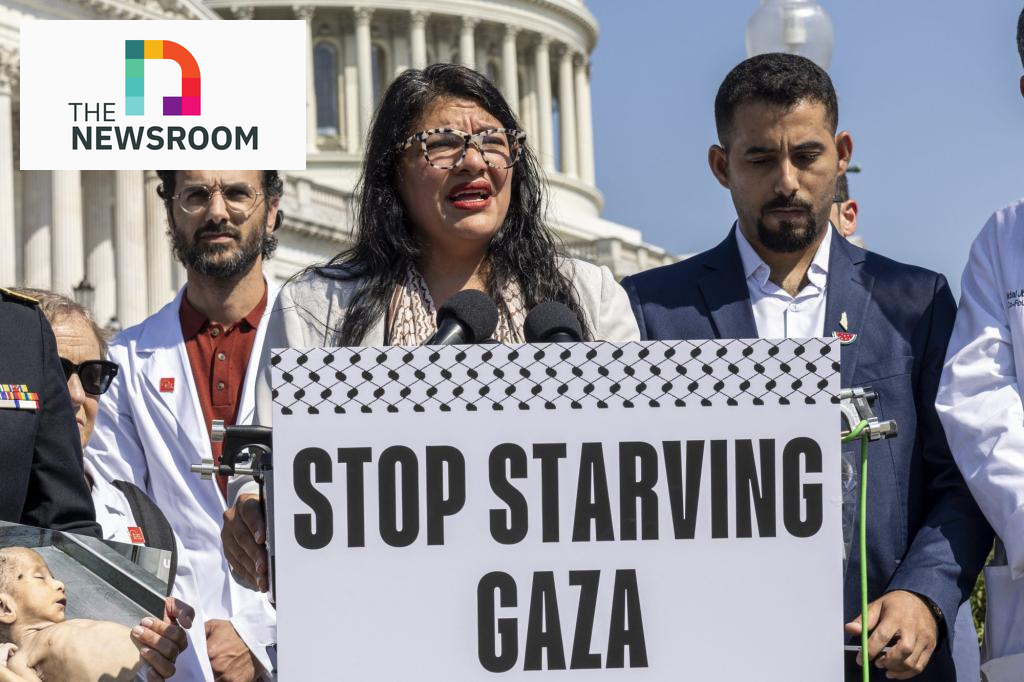
Speakers vocally criticized Israel, the U.S., and the West, often expressing their biases with fiery rhetoric. For instance, Rep. Rashida Tlaib (D-Mich.) used provocative language and declared, “We ain’t going anywhere,” accusing America of being founded on “slavery, genocide, rape, and oppression.”
Other participants echoed similar sentiments, calling to disrupt supply chains linked to military equipment, such as the construction of F-35 fighter jets, as a form of intervention. A speaker from the Palestinian Youth Movement urged action to stop what they described as a “supply chain of death.”
In addition, a doctor named Nidal Jboor openly advocated for the elimination of “Jewish supremacists,” claiming, “We know who they are.”
Hamas supporter Mahmoud Khalil, a protest organizer from Columbia University, articulated that Hamas’s tactics serve as a model to oppose what he termed the “Zionist genocidal project,” although he did not explicitly clarify their violent actions.
Adding to the radical tone, podcaster Hasan Piker encouraged attendees to fuel their anger through spite directed at celebrities like Michael Rappaport and Amy Schumer, whom he disparaged as representatives of “the worst people in the world.”
Overall, the conference reflected the aggressive and hateful rhetoric often associated with the “river to the sea” movement. Its dark atmosphere exposes the toxic and extremist nature of this advocacy, revealing a movement driven by rage and hostility rather than constructive dialogue.