Russia Launches Mice and Microbes on Monthlong Earth Orbit Mission
Russia Launches Bion-M No. 2 Space-Biology Mission with Living Organisms
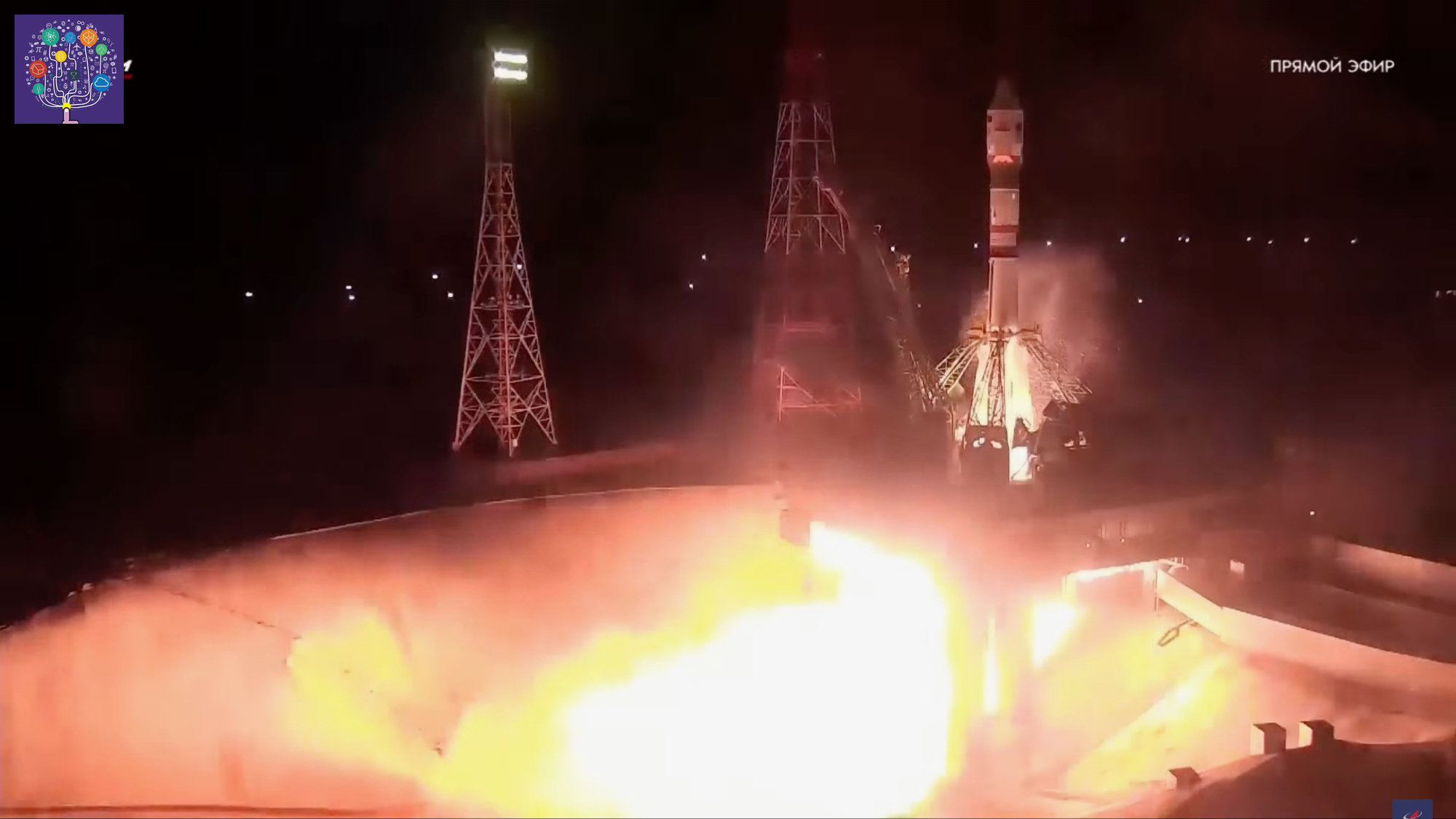
Russia has successfully launched its second mission in the Bion-M series, deploying a biosatellite equipped with various living organisms to study the effects of spaceflight. The launch took place from the Baikonur Cosmodrome in Kazakhstan atop a Soyuz rocket, at 1:13 p.m. EDT.
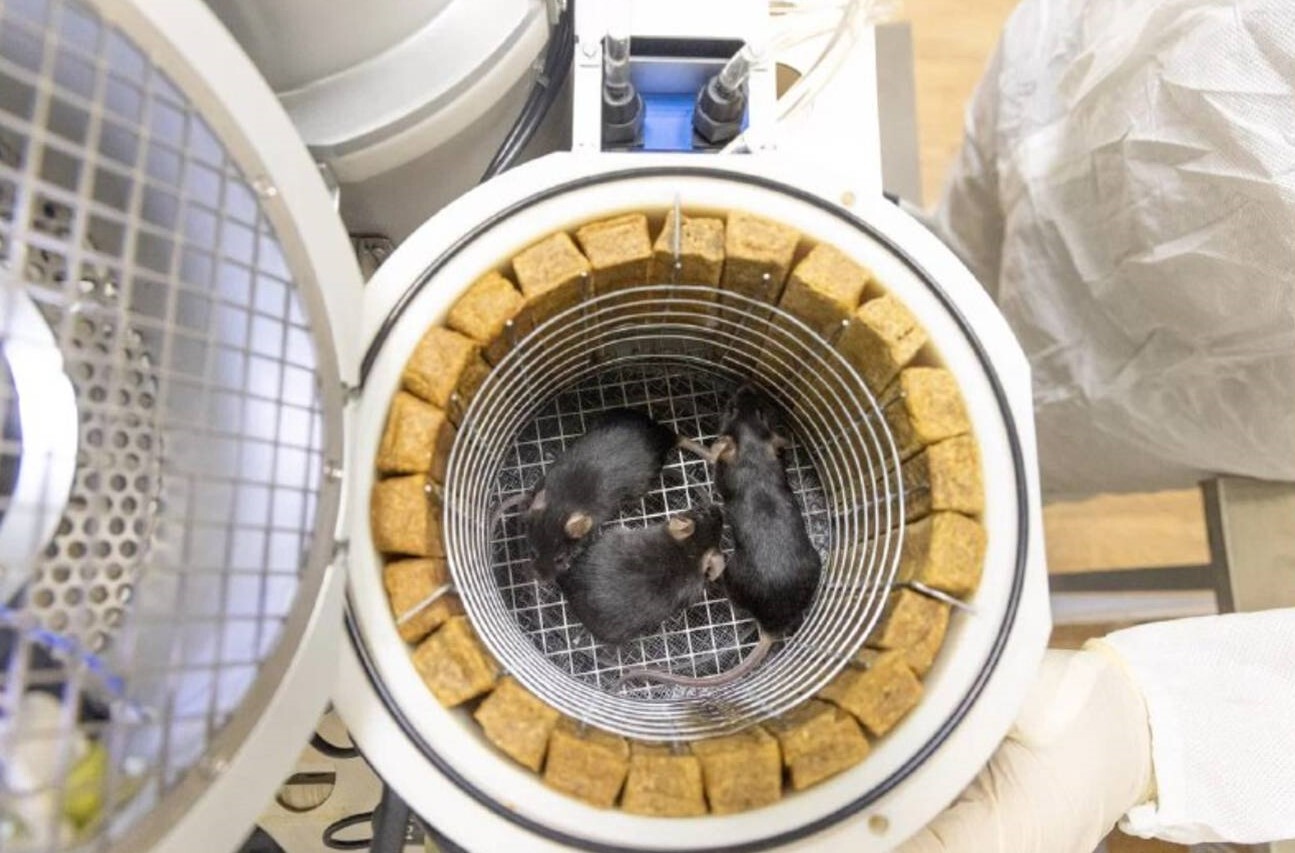
Onboard are 75 mice, 1,000 fruit flies, microbes, cell cultures, and plant seeds. Over the course of a month, the satellite will orbit Earth, passing over the poles to increase exposure to cosmic radiation, which is vital for understanding how living organisms react to deep-space radiation and microgravity conditions.
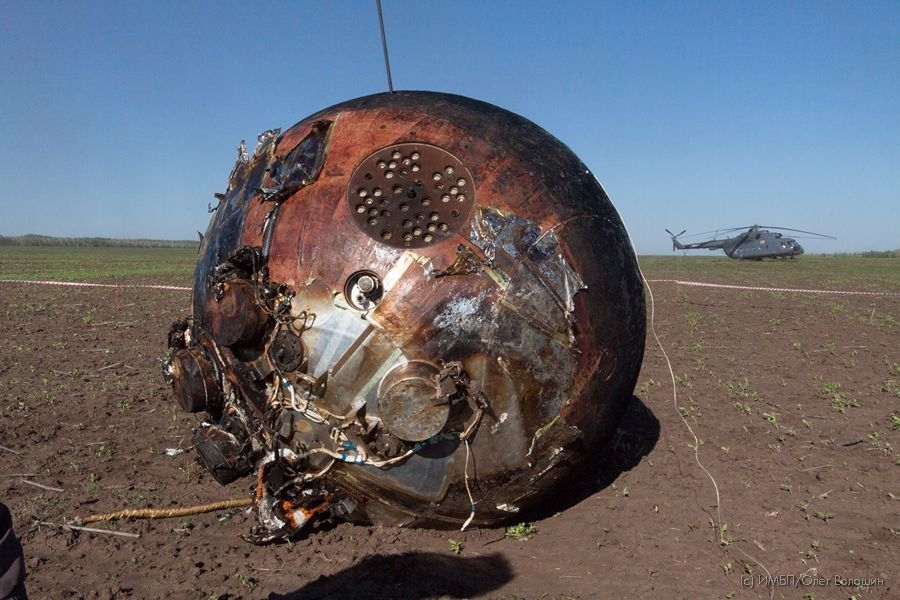
Following the mission, the capsule will return to Earth via parachute for retrieval. Researchers will analyze the organisms and materials, including simulated lunar soil, to assess space environment effects on biological systems and materials.
This mission marks the second in Russia’s Bion series, a follow-up to the original program which last flew in 1996. The first Bion-M mission launched in 2013, sending a diverse array of species into low Earth orbit for 30 days. Originally planned for 2016 or 2017, the launch faced delays but finally took place today.
Unlike the previous mission, Bion-M No. 2 will orbit over the poles, providing greater exposure to cosmic radiation—an essential step in preparing for future human exploration missions, especially to the Moon. Russia aims to advance its space biology research to support lunar missions and collaborations, including its partnership on the international lunar research station project.