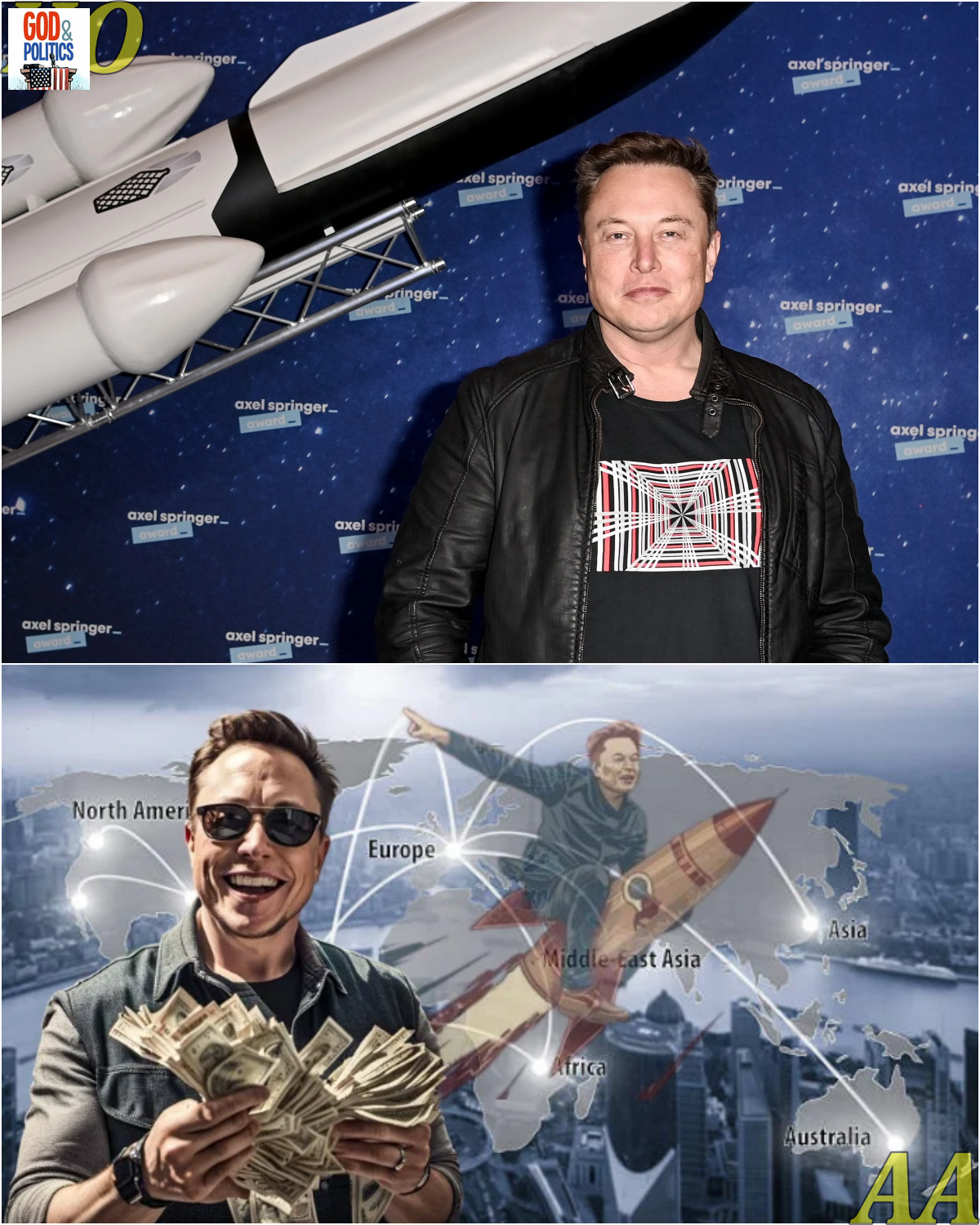
Elon Musk: From PayPal to SpaceX and the World’s Richest Man

The Unlikely Dreamer Who Changed Space Exploration
In the early 2000s, Silicon Valley was thriving with IPOs and tech optimism. Among the newcomers was Elon Musk, then known for co-founding PayPal, which was sold to eBay for $1.5 billion. Instead of retiring, Musk invested $100 million of his earnings to launch SpaceX, aiming to revolutionize space travel and ultimately colonize Mars.
Challenges and Near-Disaster
SpaceX’s journey was fraught with setbacks. Its first rocket, Falcon 1, failed three consecutive times between 2006 and 2008, drawing skepticism from industry giants. Musk faced financial ruin as he poured resources into Tesla, SolarCity, and his aerospace venture. By late 2008, he was desperate, with both companies close to shutting down. However, on September 28, 2008, Falcon 1 succeeded in reaching orbit, marking a historic milestone. Shortly after, NASA awarded SpaceX a $1.6 billion contract to supply the International Space Station, securing the company’s future.
Innovating with Reusable Rockets
Building on this success, Musk developed Falcon 9 to handle more frequent missions. His boldest innovation was the concept of reusability—landing rocket boosters back on Earth for future launches. After initial failures, SpaceX achieved this feat in December 2015, greatly reducing launch costs. By 2020, reusable rockets made up the majority of their launches, making SpaceX the leading commercial space company with contracts from government and private clients worldwide.
Starship and the Mars Mission
Musk’s true ambition has been Mars colonization. The Starship spacecraft, designed to carry over 100 people, has experienced explosive tests but continues to improve. In 2023 and 2024, prototypes reached space and completed orbital flights. By 2025, Starship plays a role in NASA’s Moon missions and may revolutionize global travel, making intercontinental trips under an hour.
Funding the Dream with Starlink
To finance his space ambitions, Musk launched Starlink, a satellite constellation providing high-speed internet worldwide. With over 6,000 satellites and annual revenues exceeding $8 billion, Starlink funds much of SpaceX’s innovation, empowering Musk with influence in global communications and geopolitics.
Leading Wealth and a Vision for Humanity
As the driving force behind SpaceX and Tesla, Musk’s net worth has surpassed $260 billion, making him the world’s richest person. His ultimate goal extends beyond profit—he envisions humanity becoming a multiplanetary species as an insurance against existential threats, famously wishing to “die on Mars.” Although controversial, Musk’s relentless pursuit continues to push the boundaries of technology and exploration.
A Legacy of Innovation and Risk
Elon Musk’s story exemplifies daring risk-taking, technological innovation, and unwavering commitment. His endeavors have transformed space travel, redefined rocket engineering, and reshaped humanity’s future. Despite criticism, his work paves the way for a future where the stars are within reach.
The future remains uncertain, but thanks to Musk, it is moving closer to the cosmos than ever before.