Reform Columbia’s Campus Hate: Address Faculty Roots First
Columbia University Takes Steps to Address Campus Antisemitism and Extremism
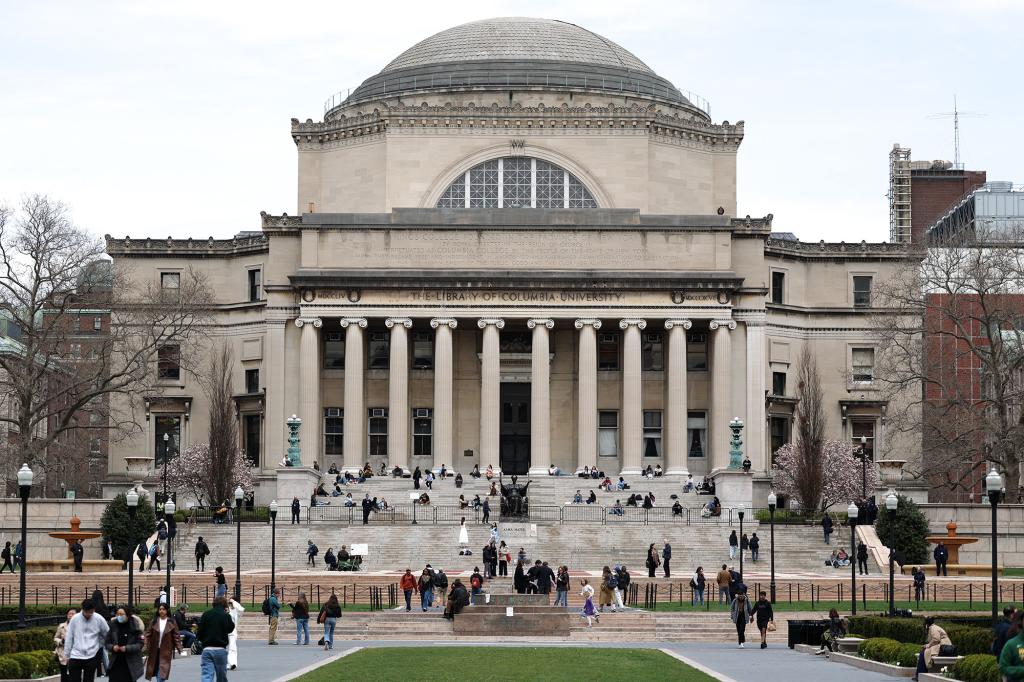
After years of violent protests, disruptive acts, and spreading hate speech on campus, Columbia University has finally begun to implement disciplinary measures against those involved in the takeover of Butler Library and other antisemitic activities. The university reached an agreement with the White House to hold students accountable for their actions, which included occupying buildings, posting Nazi-style flyers, harassing Jewish students, and endorsing violence, including the Hamas-led October 7 attack.
These students, supported by over 90 pro-terror groups linked to Columbia, have promoted speakers associated with designated terrorists, called for violence against Jews and Israelis, and encouraged Hamas to target American Jews. While disciplinary actions are a necessary step, many critics argue that the university’s response is long overdue, and that earlier intervention might have prevented the escalation of extremism.
Concerns are also raised about the role faculty members play in fostering this atmosphere. Some professors have been accused of endorsing or downplaying acts of violence, and many remain protected without facing consequences. The problem extends beyond student activism, rooted in an academic environment that, under the guise of scholarly inquiry, has propagated a form of “American Intellectual Antisemitism.” This ideological distortion shifts blame onto Israel for conflicts and reframes bigotry as academic critique, often ignoring factual records and historical context.
Addressing this deep-seated issue requires holding faculty accountable and confronting the intellectual machinery that promotes these beliefs. Without such action, the cycle of radicalization and hate might continue to grow, posing a broader threat beyond campus walls. The crisis at Columbia highlights the urgent need for universities nationwide to root out the ideology fueling extremism and to prevent similar developments elsewhere.

Campus protests often blur the lines between freedom of speech and incitement to violence, underscoring the importance of clear policies and accountability.