Florida’s Alligator Alcatraz: Inside the Rising Mosquito Crisis
Controversial Detention Facility Sparks Concerns Over Conditions and Environmental Impact
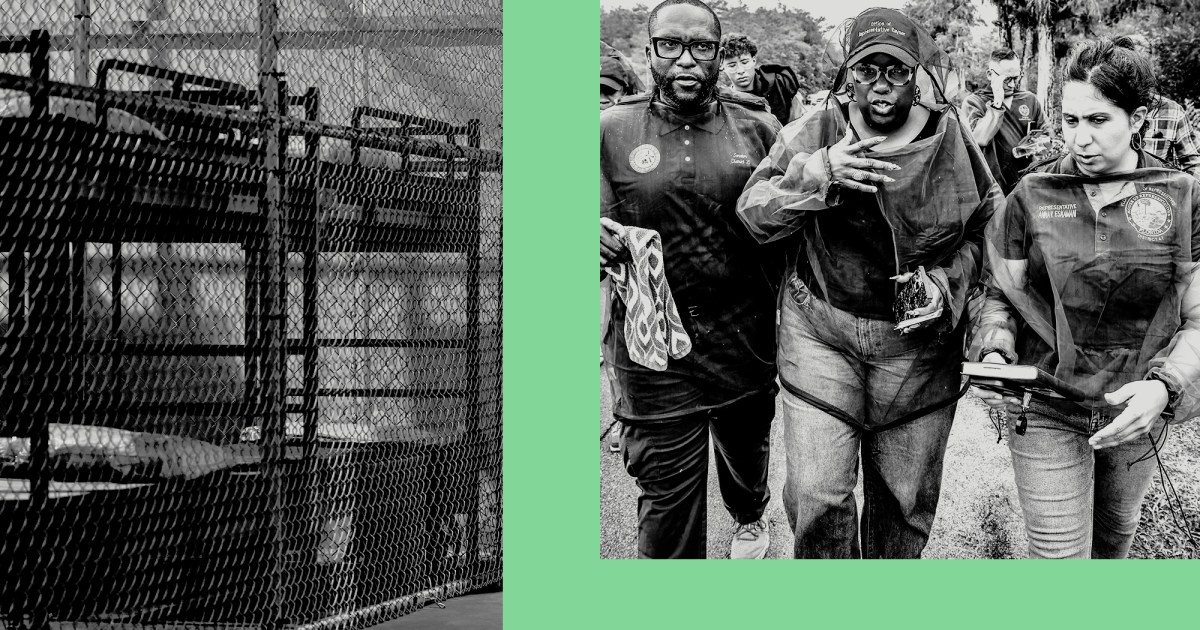
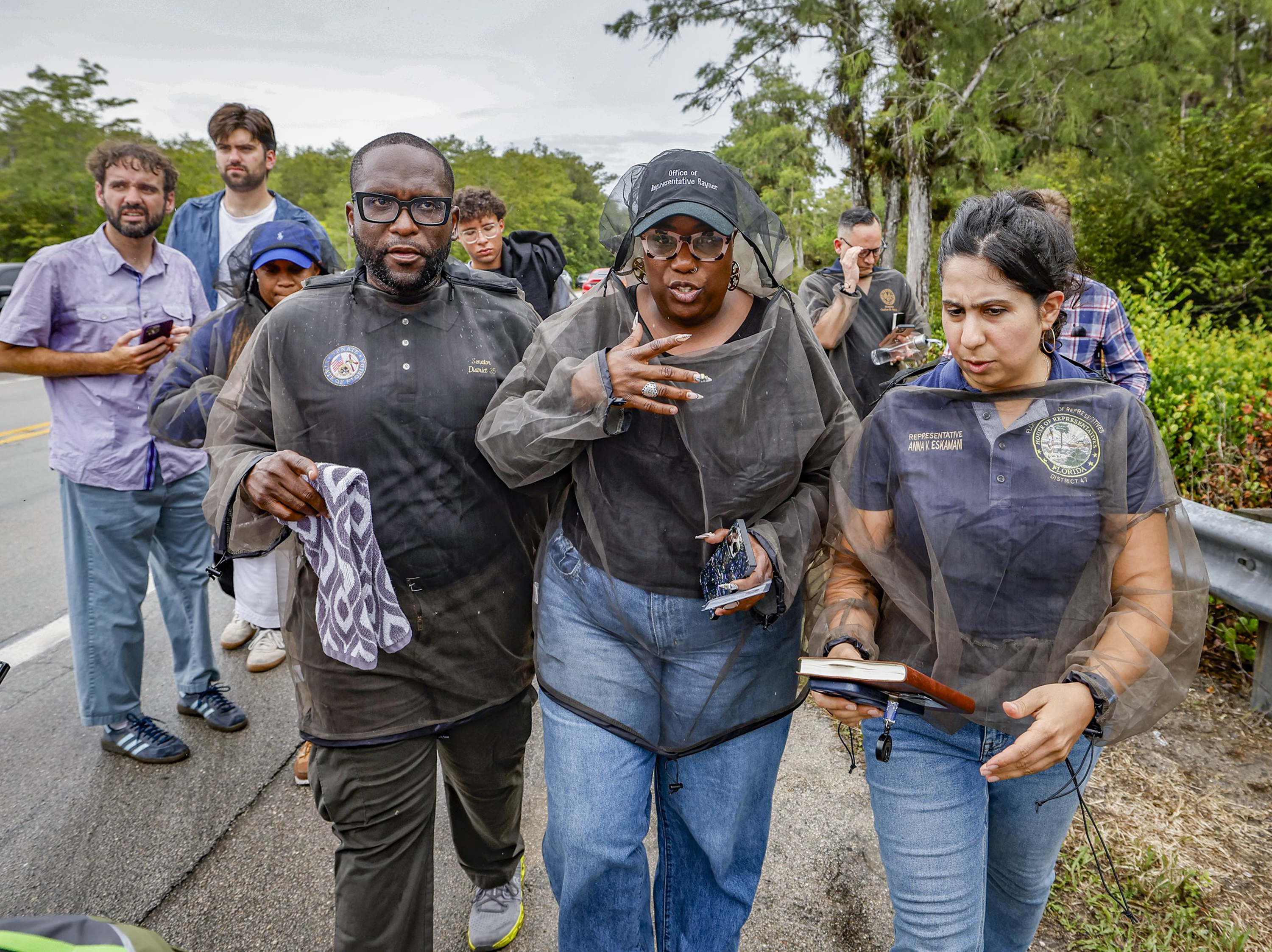
Recently, Florida lawmakers, including Representative Anna Eskamani, toured the so-called “Alligator Alcatraz,” a newly established immigrant detention center built on a remote airfield in Collier County. During the visit, detainees in a large tent chanted “Libertad!” signaling a desire for freedom amid reported harsh conditions.
The facility, housing approximately 900 migrants with a capacity for 4,000 by August, has faced criticism for its environment and management. Visitors were not permitted to speak with detainees, and reports indicate the tents suffer from poor ventilation, excessive mosquitoes, and leaks during rainstorms. As one lawmaker noted, the site is not sustainable, especially during Florida’s rainy weather.
The detention center, funded at an estimated $450 million annually, has caused significant controversy. Critics mention malfunctioning air conditioning, scarce food, and the lack of recreational activities for detainees. Notably, a large portion of those held have no criminal records, including minors and DACA recipients, challenging official claims that only individuals with criminal backgrounds are detained there.
The center’s construction has alarmed environmental and tribal groups due to its location within a protected preserve. Environmental concerns include increased traffic endangering local wildlife, light pollution affecting nocturnal animals, and destruction of natural habitats, as documented in court filings. The nearby Miccosukee Tribe has voiced particular concerns over the impact on sacred sites and traditional lands.
Legal challenges are ongoing. Environmental groups have filed suits citing lack of environmental assessments, while advocacy organizations argue that only federal authorities can operate detention centers, not the state. Additionally, efforts to access detainees’ legal counsel have been obstructed, raising questions about detainee rights.
Amidst these disputes, experts warn that the site’s exposure to hurricane risks presents further safety challenges. State Senator Carlos Guillermo Smith raised concerns about the dangers posed by hurricanes hitting such an inadequately prepared facility, emphasizing that the problem is not if a storm occurs, but when.