Breaking: New Senate Bill Saves US Military Bases from Chinese Land Purchases — What You Need to Know!
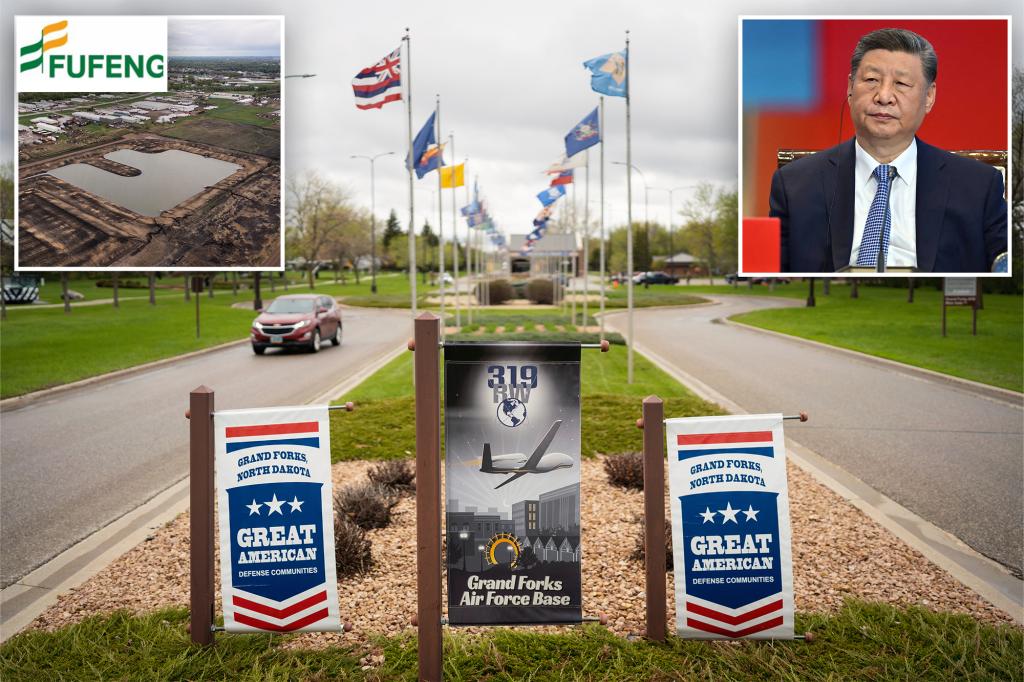
Three years ago, Chinese entities attempted to leverage a loophole in U.S. regulations to purchase land near military installations, nearly securing property close to Grand Forks Air Force Base in North Dakota.
Now, Republican members of the Senate Banking Committee are pushing the “Protect Our Bases Act,” designed to close this loophole and prevent Chinese land acquisitions near vital U.S. military sites.
“Chinese efforts to infiltrate U.S. security through land acquisitions require constant vigilance,” stated Senator Tim Scott (R-SC), who is leading the bill. “This legislation will improve the review process of foreign real estate deals near critical military locations, ensuring agencies like CFIUS have the necessary information to safeguard our national security.”
The bill is backed by a coalition of Senate Republicans, including Senators Mike Crapo, Mike Rounds, Thom Tillis, John Kennedy, Bill Hagerty, Katie Britt, Pete Ricketts, Jim Banks, Kevin Cramer, and Bernie Moreno.
The push for stronger safeguards follows recent developments, such as Ukraine’s Operation Spider’s Web, where Kyiv used drones to strike Russian military bases, damaging dozens of aircraft. This has underscored the emerging threats to military security, especially considering China’s dominance in drone manufacturing.
In 2022, an attempt by Chinese company Fufeng Group, involved in agriculture and manufacturing, to purchase land near Grand Forks Air Force Base revealed a critical flaw. The Committee on Foreign Investment in the U.S. (CFIUS) dismissed the transaction because the Department of Defense had not designated that site as sensitive, allowing the land deal to proceed before local authorities intervened.
The new legislation aims to prevent similar lapses by requiring agencies to regularly update and report on sensitive military sites, broadening access to crucial information for national security reviews.

The measure follows recent military vulnerabilities exposed by drone attacks and the ongoing geopolitical tensions emphasizing the need for tighter oversight of foreign land transactions near critical military sites.