Trump’s Tariff Letters Spark Social Media Controversy & Criticism
Controversy Over Diplomatic Tariff Letters Issued by Former President
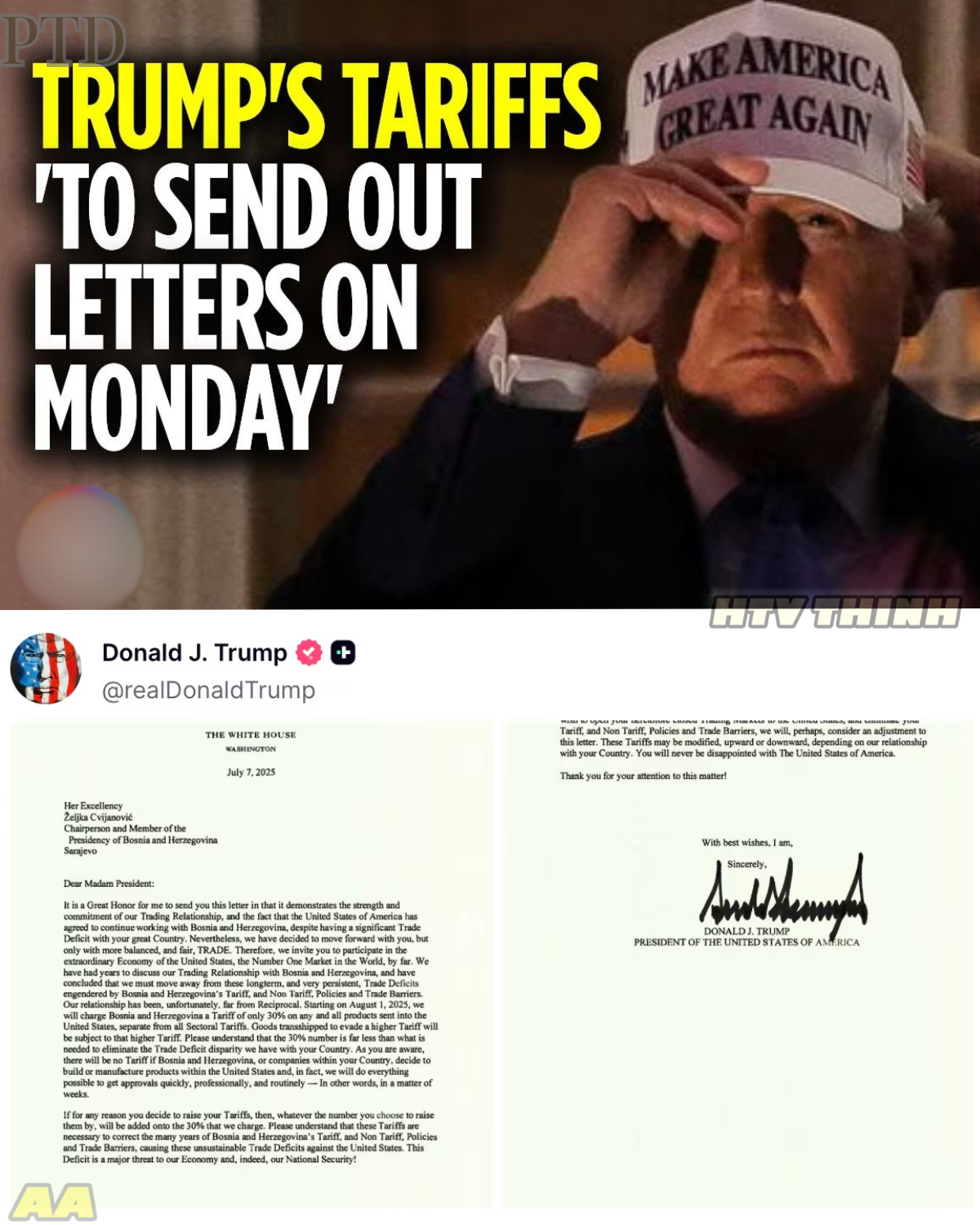
On July 9, 2025, former U.S. President Donald Trump posted multiple letters on his social media platform addressed to seven countries, including the Philippines, Sri Lanka, Moldova, Brunei, Libya, Iraq, and Algeria. These letters warned them to prepare for significant tariff hikes, mirroring the format of earlier communications sent to 14 other nations two days prior.
However, the release of these letters quickly drew criticism both domestically and internationally. Observers highlighted numerous grammatical mistakes, awkward phrasing, and an unprofessional tone that is generally deemed inappropriate for formal diplomatic exchanges. The hurried and unpolished message, filled with copy-paste errors and repetitive language, raised questions about the authenticity and seriousness of the trade threats.
The correspondence outlined plans to impose hefty tariffs, citing the need to protect U.S. economic interests and counter perceived unfair trade practices. Yet, the careless presentation of these messages, with glaring typos and inconsistent language, suggested a lack of thorough review before public dissemination.
Social media users and trade experts responded with humor and concern. Many mocked the obvious mistakes, with some critics warning that such flawed communication could damage diplomatic relations and undermine the credibility of U.S. trade policy. Diplomacy relies heavily on precise language and tact—elements that appear missing in these public posts.
The controversy unfolded amid ongoing debates about tariffs and global trade negotiations. Experts cautioned that blunders in official communications could complicate relationships with key allies and adversaries alike. While Trump has long advocated for tariffs as a tool to bolster American industries, this episode underscored the potential pitfalls of bypassing traditional diplomatic protocols and professionalism.
In the digital age, where messages are instantly shared and scrutinized, this incident serves as a reminder of the importance of tactful and accurate communication in maintaining international trust and cooperation. The repercussions of these mistakes may influence future trade strategies and highlights the need for careful messaging in diplomacy.
Overall, the event exemplifies how missteps in official communication can quickly lead to misunderstandings and reputational damage, especially when shared openly on social platforms.