Higher Ed: Rising from Rock Bottom to New Heights
Reevaluating Higher Education’s Role in Society
Higher education has historically been viewed as a primary source of societal and political issues in America. However, recent developments suggest a slow shift in this perception, fueled by mounting public scrutiny and policy changes.
Over the past two years, particularly the last six months, colleges and universities have faced a significant reckoning. Many of their controversial practices—such as affirmative action, diversity, equity, inclusion initiatives, radical faculty ideologies, bureaucratic excess, rising tuition, and alleged antisemitism—have been laid bare for public examination.
These issues have led to notable policy reforms and shifts driven by court rulings, congressional hearings, public opinion, and pressure from political leaders. For example, reforms to student loan programs aim to curb excessive borrowing that historically funded tuition hikes and radical agendas. Stricter loan limits and repayment terms now encourage students to view college primarily as an educational investment rather than a platform for activism.
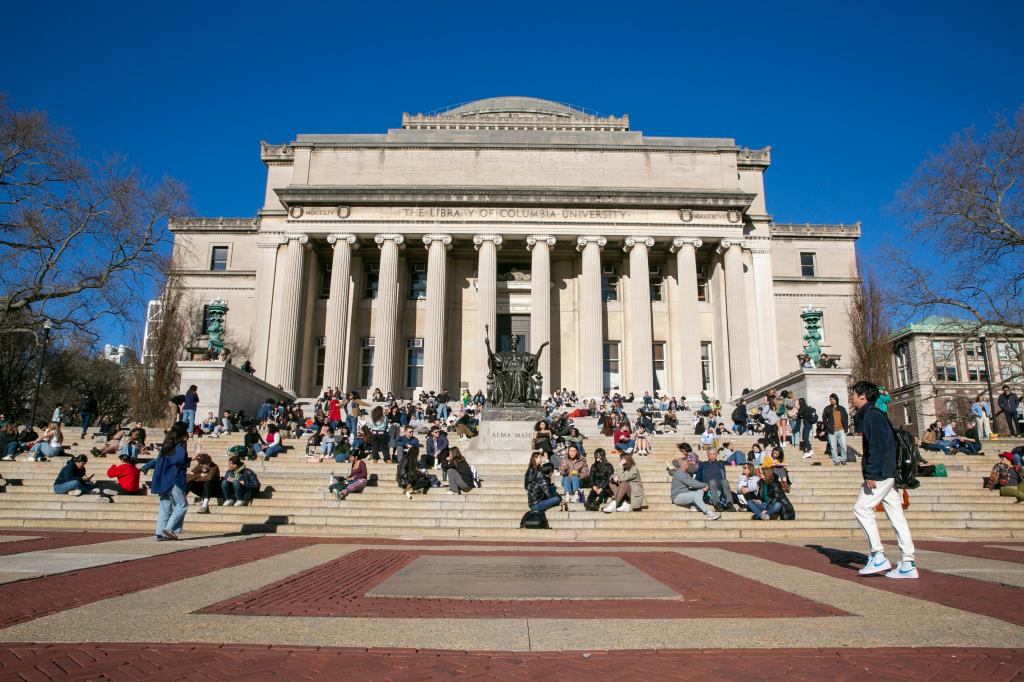
Furthermore, financial and political pressures have prompted universities to reconsider policies related to race-based admissions and antisemitism. Following antisemitic incidents at institutions like Harvard and shifts in federal funding, some schools are beginning to address their longstanding biases and policies. Harvard, for instance, is contemplating establishing a center for conservative scholarship, while Columbia University has adopted measures to combat antisemitism, including refusing to meet with certain student groups and adopting international definitions of Jew-hatred.
Although these efforts are incremental, they signal a possible return to core academic values: teaching, merit, open inquiry, and free speech—while potentially reducing costs for students. Despite decades of decline, these small steps might be the beginning of upward movement, offering hope that higher education can realign with its original mission to serve society better.