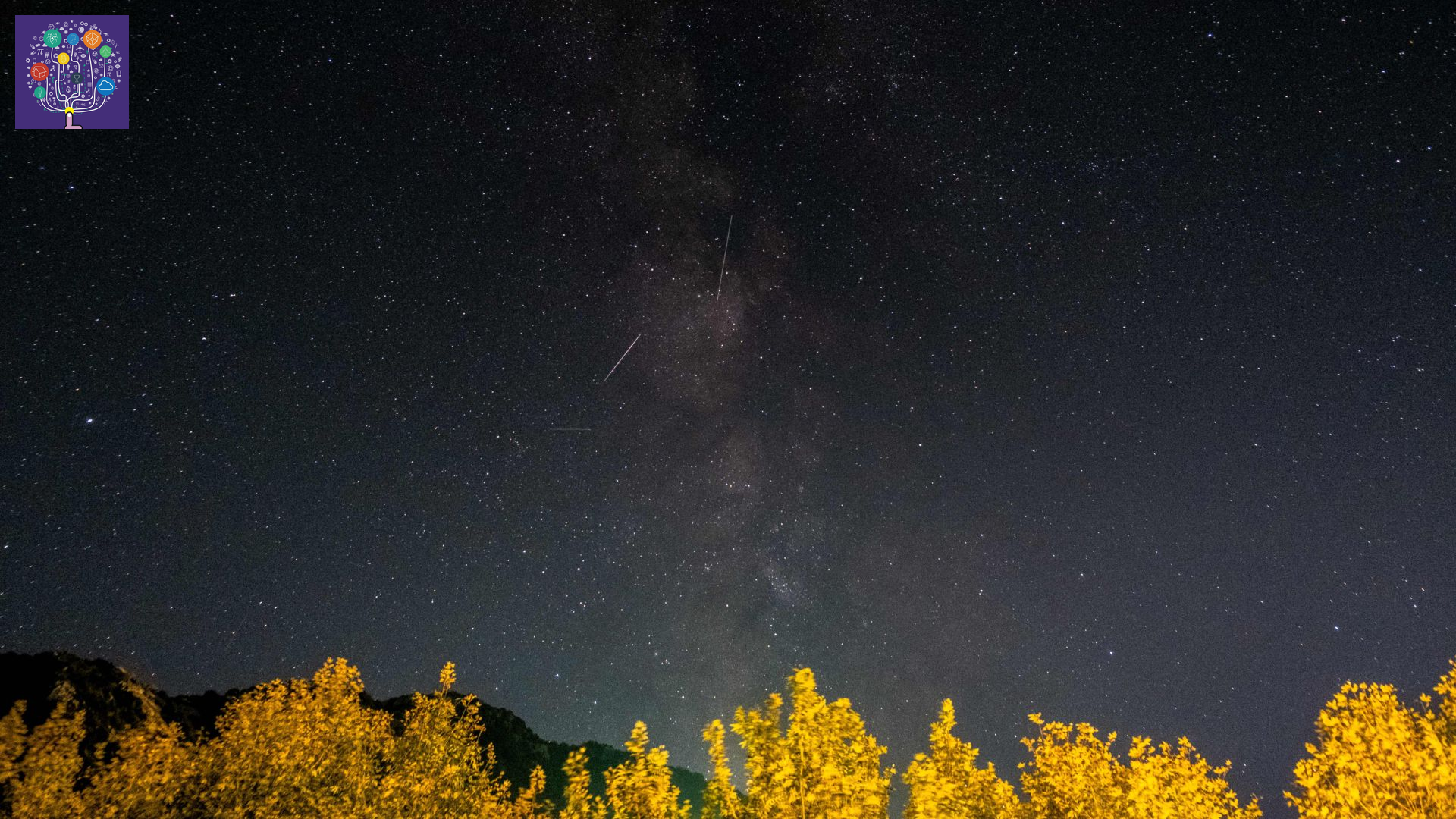
Orionid Meteor Shower 2025 Peaks Next Week—No Moon, Perfect Night to Watch!
Upcoming Orionid Meteor Shower Peaks Next Week
Prepare for a spectacular night sky event as the Orionid meteor shower reaches its peak during the overnight hours of October 20-21. This annual celestial display will bring numerous shooting stars to a dark, moonless sky, promising an impressive show for stargazers.
The Orionids are visible from October 2 through November 7. They result from Earth passing through debris left behind by Halley’s Comet during its 76-year orbit around the Sun. As these ancient particles collide with our atmosphere at around 41 miles per second (66 kilometers per second), they burn brightly, creating the dazzling streaks we see as meteors.
In 2025, viewers can expect the best observing conditions, with up to 20 meteors per hour. The radiant point will be located in the constellation Orion, near the bright red star Betelgeuse. Peak activity occurs in the predawn hours of October 21, when Orion’s Belt can be spotted high above the southern horizon.
The dark sky conditions during this event will enhance visibility, unlike the less ideal conditions during August’s Perseid meteor shower, which was hampered by a bright moon. Stargazers are advised to find a viewing spot away from city lights, dress warmly, and allow half an hour for their eyes to adjust to the darkness.
Viewing Tips
To maximize your meteor-watching experience, identify Betelgeuse, the prominent star in Orion, and then look about 40 degrees above it — roughly the width of your clenched fist held at arm’s length. During the peak, expect to see fast-moving meteors with glowing trains that may linger for several seconds. Fireballs, the brightest meteors, can outshine even the planets visible in the night sky.
For those interested in capturing images of the meteors, refer to guides on astrophotography and consider using the best lenses and cameras for the task. Clear, dark skies and patience will help you record this awe-inspiring event.
Enjoy the show and keep an eye out for more skywatching opportunities in the future!