Man United’s Picked-Only Bright Spot: Can Amorim & Cunha Fix Their Fake Success?
Manchester United’s Struggles and Underperformance This Season
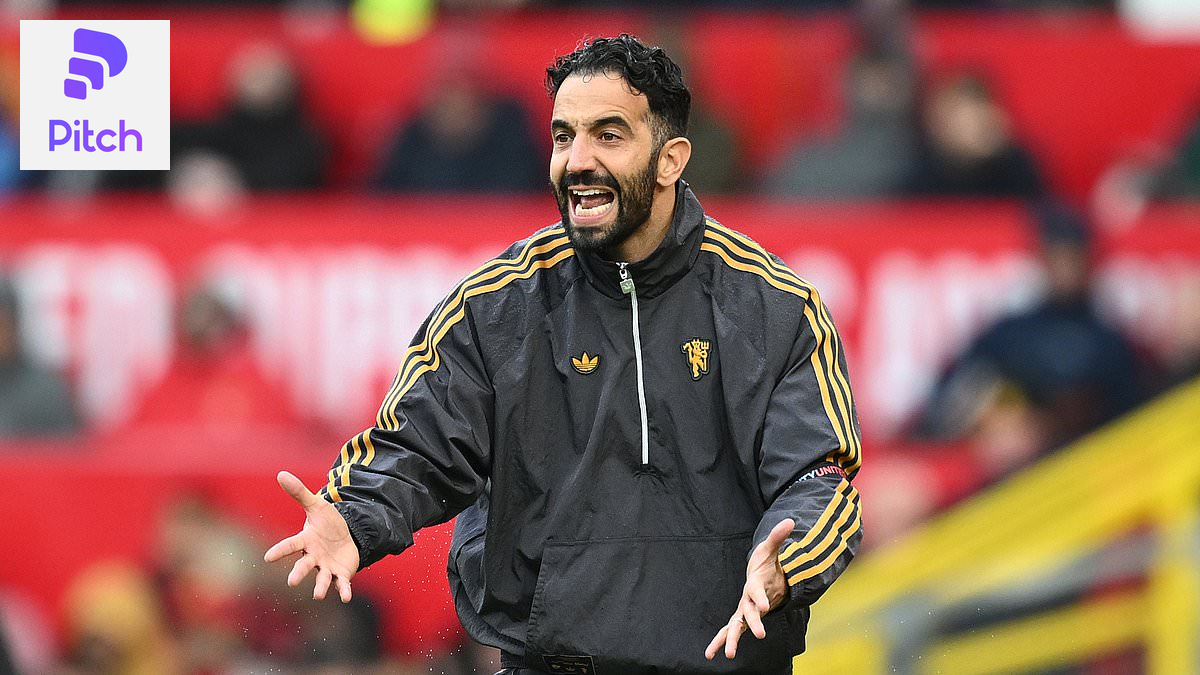
In football, it’s common to analyze matches beyond the final score, especially with the rise of advanced statistics like expected goals (xG). Despite losing 3-0, Manchester United under Ruben Amorim has actually created more quality chances than most teams, yet struggles to convert these opportunities into goals.
Data from Opta reveals United sit fourth in ‘expected points’—a measure factoring in chance quality—indicating they should be challenging for European qualification. However, their poor finishing has led to underachievement; they should have scored 14 goals based on xG but only managed nine.
The team’s finishing woes are severe, with only an 8% shot conversion rate, one of the worst in the league. This inefficiency is compounded by missed penalties from captain Bruno Fernandes and frequent hitting of the woodwork—five times this season.
Signings like Bryan Mbeumo and Matheus Cunha were brought in to improve goal output, but both have just two goals in all competitions, despite high xG figures last season. This suggests that their current form is lacking consistency and precision, possibly due to luck or the difficulty of outperforming their expected goals.
Part of the problem stems from the team’s shot selection. United take many attempts from outside the box, with little danger from close-range or high-quality chances. They’ve only created eight “big chances” this season, far fewer than most teams, indicating a lack of threat in the most critical areas.
Much of their wastefulness is linked to decision-making and tactical issues. For example, winger Matheus Cunha often opts to shoot from outside the box rather than exploiting better options, highlighting a need for improved composure and vision.
Another key issue is tactical structure. The wing-backs, crucial in Amorim’s 3-4-1-2 system, often fail to push high enough to support attacks. During a recent win over Sunderland, the wing-backs played more aggressively and advanced higher, leading to more dangerous opportunities. Moving forward, sustained success depends on better decision-making and tactical discipline to convert chances more effectively.