Moon and Jupiter Alignment: How to Watch on October 13
Upcoming Night Sky Event: Moon and Jupiter Close in the Eastern Sky
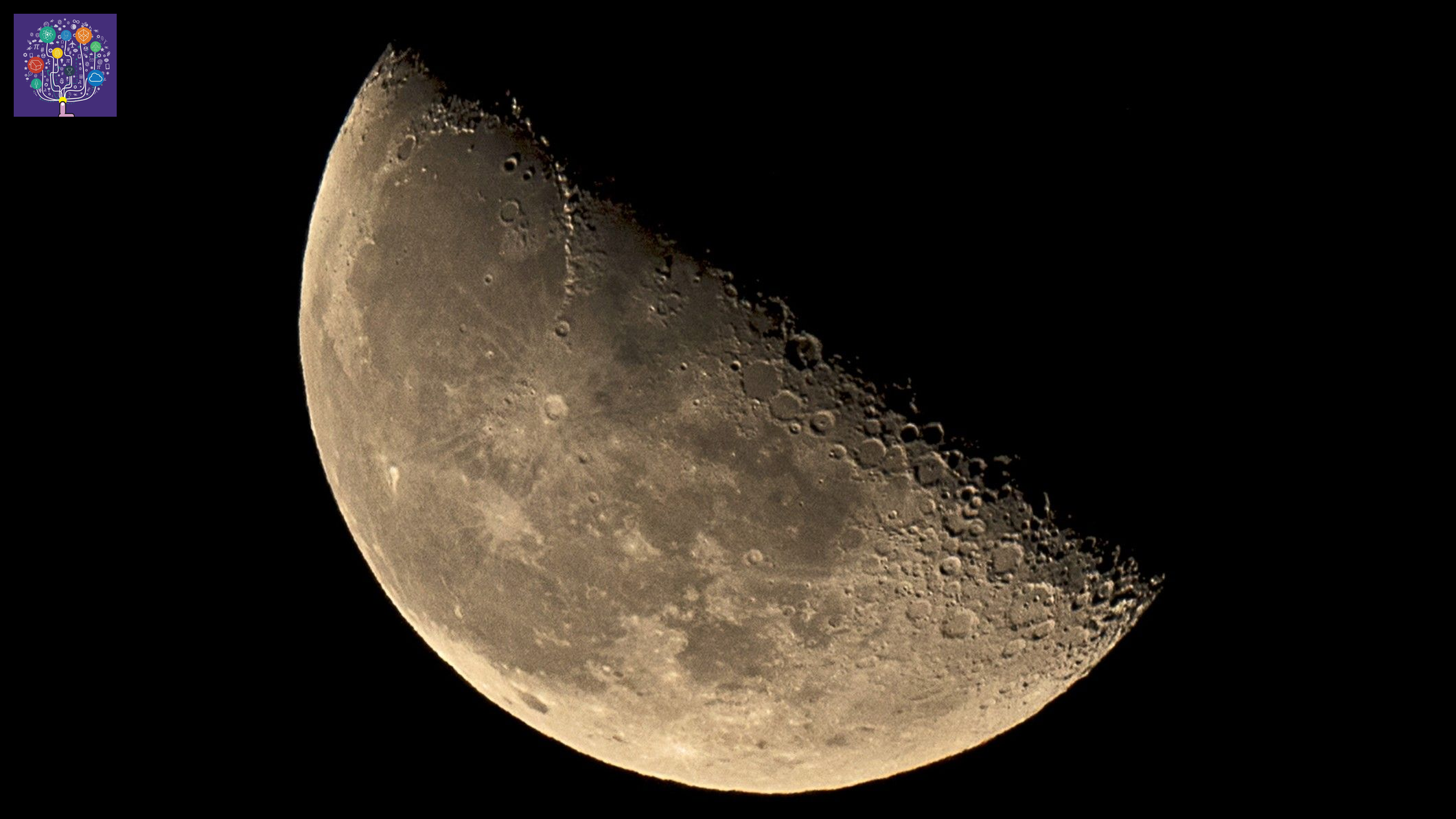
Late Monday night into early Tuesday morning, observers will experience a breathtaking view as the moon, just past its last quarter phase, rises over the east-northeastern horizon shortly before midnight. Near the moon, about six degrees to its right, will be Jupiter, the largest planet in our solar system.
To visualize their separation, hold your fist at arm’s length; it spans roughly 10 degrees. The moon and Jupiter will appear just over half a fist apart, but this is an optical illusion. In reality, the moon is approximately 235,000 miles away from Earth, while Jupiter is about 477 million miles distant, making it over 2,000 times farther in space.
Viewing the Event
Jupiter, currently in the constellation Gemini near the star Pollux, will be most visible during late evening and early morning hours. The planet will reach an altitude of 30 degrees above the horizon around 2:30 a.m., offering clearer and sharper views through telescopes—since Earth’s atmosphere can hinder observations at lower angles. Jupiter’s prominent cloud belts and the contracting Great Red Spot, now smaller than Earth, make it a fascinating target through binoculars and telescopes.
Additionally, the four major Galilean moons—Callisto, Europa, Io, and Ganymede—will be visible. They will appear aligned on one side of Jupiter, with Ganymede alone on the opposite side, providing an excellent opportunity for amateur astronomers to observe these moons in detail.
Looking Ahead: A Rare Occultation in 2026
In early October 2026, a remarkable celestial event will occur when the waning crescent moon passes in front of Jupiter, temporarily hiding the planet across much of North America. This occultation will be visible during the early morning hours on October 6 and is expected to be a highlight of the year, especially with the presence of the Galilean moons visible in binoculars or telescopes.
If you’re eager to observe Jupiter, consider investing in a quality telescope, such as the Celestron NexStar 8SE, known for its excellent planetary views. For those interested in astrophotography or further stargazing tips, comprehensive guides are available to enhance your experience.