Dangerous Funders Fuel Zohran Mamdani’s Campaign
Controversy Surrounds Fundraising Tied to NYC Mayoral Candidate
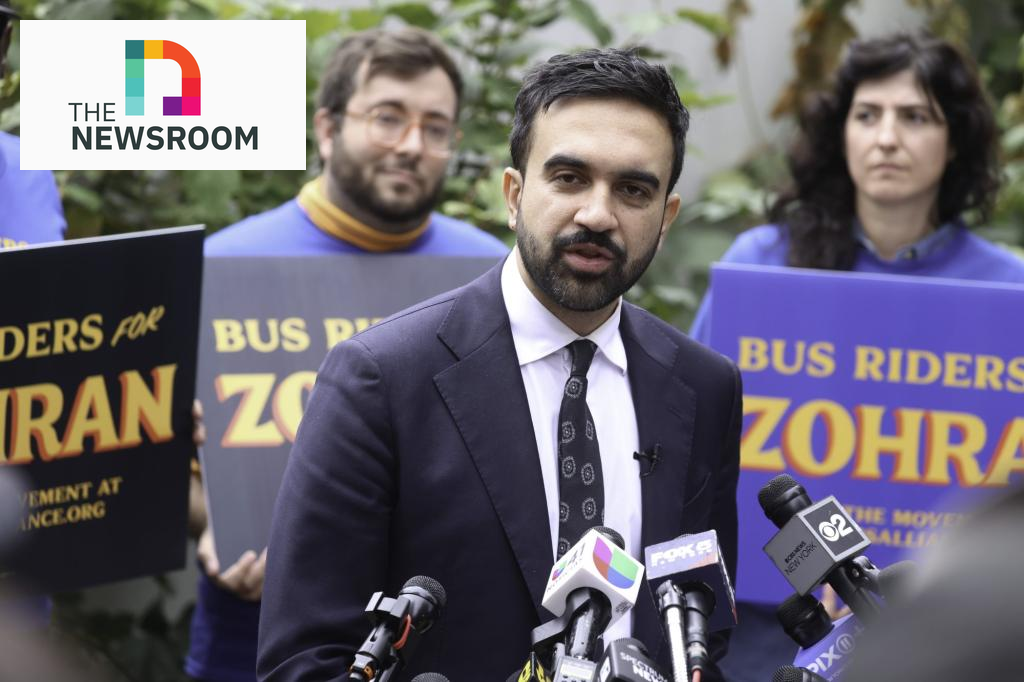
The mayoral campaign of Zohran Mamdani, a candidate with a progressive platform, has received significant funding through New York City’s public financing system. With nearly $16 million raised and $5 million in cash reserves, Mamdani has outpaced his rivals through both private and taxpayer-supplemented contributions.
However, concerns have arisen regarding the sources of his campaign funds. Mamdani’s supporters include organizations and individuals linked to controversial ideologies and extremist groups. Notably, the Islamic Circle of North America, associated with a South Asian Islamist group designated as a terrorist organization by some experts, has contributed to his campaign. Several staff members from this organization have made donations, and the group itself has supported Mamdani via matching funds.
Additionally, the Council on American-Islamic Relations (CAIR), an organization with ties to Hamas, has donated large sums to Mamdani’s affiliated political action committee and provided smaller contributions from its officials. Several academics and university staff members, including individuals from Columbia University and New York University, have also donated thousands of dollars, often from institutions that have faced federal investigations related to antisemitism and terrorism funding.
Some donors come from outside New York, including members of Pacific-area Muslim organizations linked to Hamas-supporting charities. Other supporters include prominent academics and activists espousing radical and anti-American viewpoints.
Despite efforts to portray Mamdani as a moderate, critics argue that his campaign’s funding base indicates political alliances with radical and extremist elements. The infusion of taxpayer dollars into his campaign raises questions about the influence of such groups in local politics.
This raises broader concerns about the integrity of the city’s public financing system and the potential for it to amplify voices associated with extremism and intolerance in municipal government.