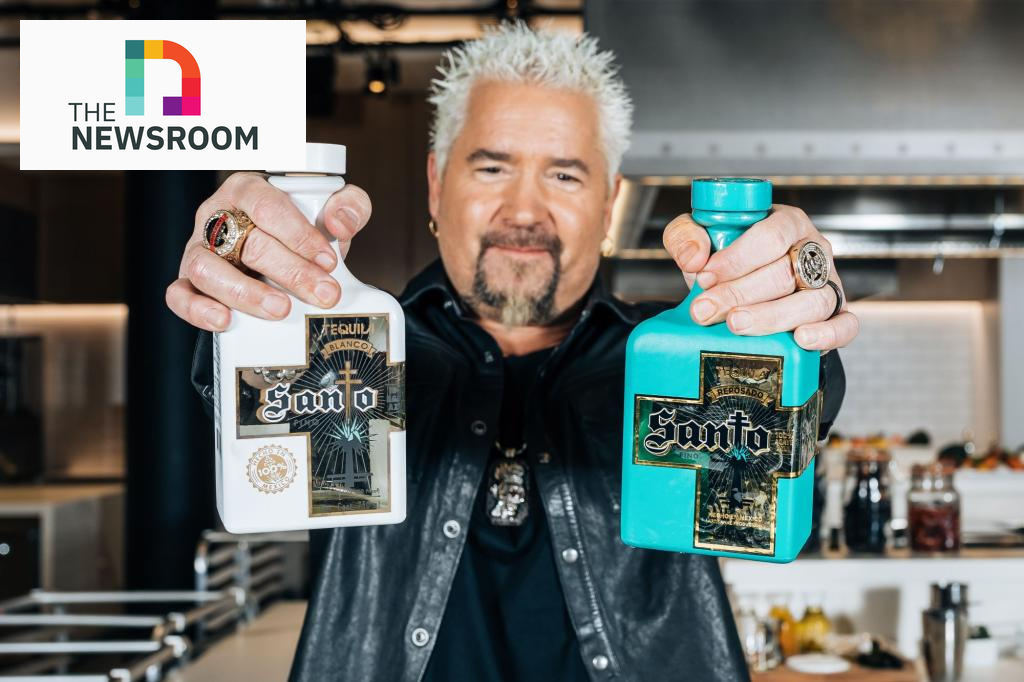
Guy Fieri’s $1M Tequila Heist Exposes US Truck Theft Crisis
High-Profile Cargo Theft Highlights Growing Threat in Supply Chain
Thieves recently hijacked two trucks carrying a shipment of Santo Spirits tequila valued at approximately $1 million through a simple phone call, without any violent confrontations.
Criminals posing as company officials used cyber deception to reroute 24,000 bottles of celebrity-endorsed tequila from their planned destination in Pennsylvania to a fake warehouse in Los Angeles. They manipulated GPS systems after tricking legitimate drivers in Laredo, Texas, causing the shipment to vanish without a trace after nearly four years of production.
Renowned TV chef Guy Fieri expressed his distress, stating, “It hurt bad.” He explained his disbelief over such a significant loss of high-value tequila, emphasizing how organized and brazen these thefts have become.
The incident underscores a troubling trend: cargo theft has evolved into a complex, global enterprise, costing the U.S. trucking industry around $7 billion annually—roughly $19 million each day. Thieves now combine traditional methods, like breaking locks, with sophisticated digital tactics, including impersonating legitimate logistics websites to trick shippers.
Because cyber tactics are remote and swift, cargo theft remains highly profitable and low-risk. Fragmented jurisdictional enforcement and minimal penalties enable criminals to steal millions in minutes with little chance of apprehension. The scale and frequency of such crimes are rising sharply, with theft incidents increasing by 1,500% between 2022 and 2024, and losses projected to grow further.
Beyond the immediate loss of goods, these thefts disrupt supply chains, inflate insurance costs, erode trust, and ultimately lead to higher consumer prices. While headlines may spotlight celebrity victim stories, small businesses and independent drivers bear the brunt of these crimes, suffering quiet but devastating financial blows.
Criminal networks target fast-moving, easily sellable items—from electronics to clothing—becoming increasingly sophisticated and internationally connected. Delays in legislative action allow these groups to grow stronger, while the economic impact intensifies.
Guy Fieri warns that if such thefts can happen to a well-secured operation, then everyone is vulnerable. To combat this threat, supporters advocate for swift passage of the bipartisan Combating Organized Retail Crime Act. This legislation would empower law enforcement with better tools, coordination, and data sharing to dismantle these criminal rings before larger shipments are stolen.
Truckers and supply chain workers contribute daily to America’s economy—it’s time for legislative leaders to stand with them and act decisively against organized cargo crime.