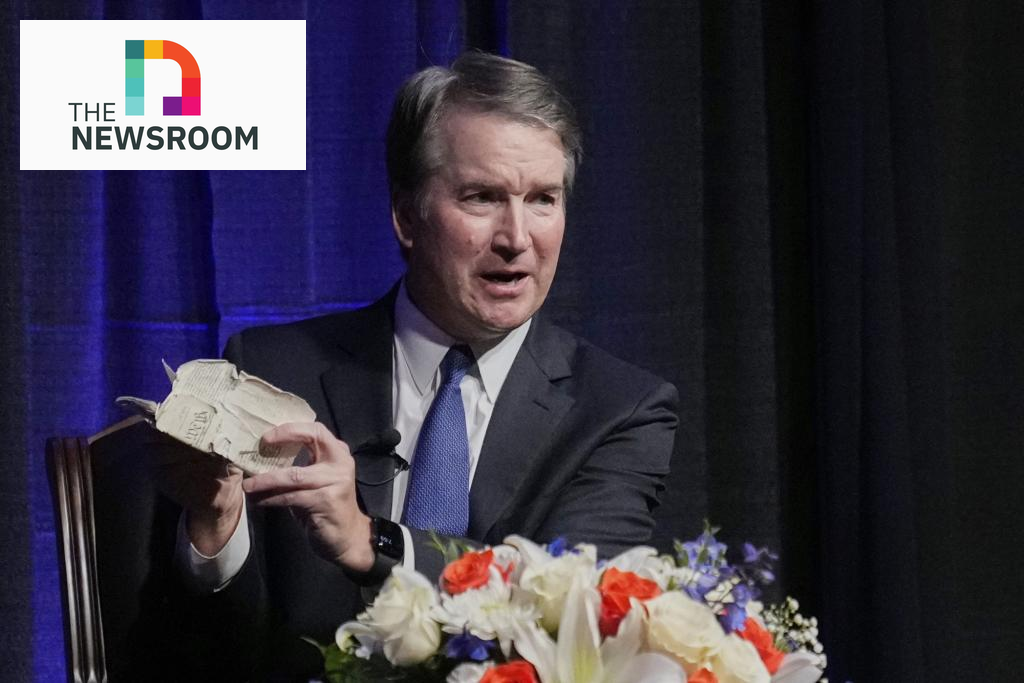
Pam Bondi vows to appeal sentence for Brett Kavanaugh’s attacker
Lenient Sentence for Would-Be Assassin of Supreme Court Justice Sparks Outcry
Recently, a man who plotted to kill Supreme Court Justice Brett Kavanaugh received a surprisingly light sentence of just over eight years—far below the 30 years advocated by prosecutors. This case follows another attack where a perpetrator fatally shot conservative figure Charlie Kirk, illustrating the rising tide of “assassination culture” fueled by political tensions.
Nicholas Roske, the individual who planned the attack, came from California armed with a pistol, zip ties, pepper spray, and tools for a break-in, intending to target Justice Kavanaugh after the Supreme Court’s decision to overturn Roe v. Wade. Roske later admitted he aimed to influence judicial decisions for decades. Notably, he now goes by the name “Sophie,” identifying as a trans woman, and has acknowledged mental health issues.
Despite this, critics argue that the psychological struggles of Roske and others involved in similar plots—such as those who targeted former President Donald Trump—are common among attackers, and should not diminish the severity of the crimes. Some contend that the leniency shown in these sentences may embolden others to resort to violence, especially as political rhetoric remains highly charged.
Calls for Stronger Judicial Actions
Attorney General Pam Bondi has publicly vowed to appeal the light sentence, emphasizing that such leniency fails to convey the seriousness of attempting to threaten the integrity of the judicial system. Prosecutors have underscored the importance of sentences that send a clear message: that violence in pursuit of political goals is unacceptable and must carry substantial consequences.
Experts and officials agree that it is crucial for the justice system to impose punishments that reflect the gravity of these threats. Doing so can help deter future attempts and uphold the rule of law amid increasingly polarized political discourse.