Is America Contagious?
Global Rise of Far-Right Populism and Its Threats

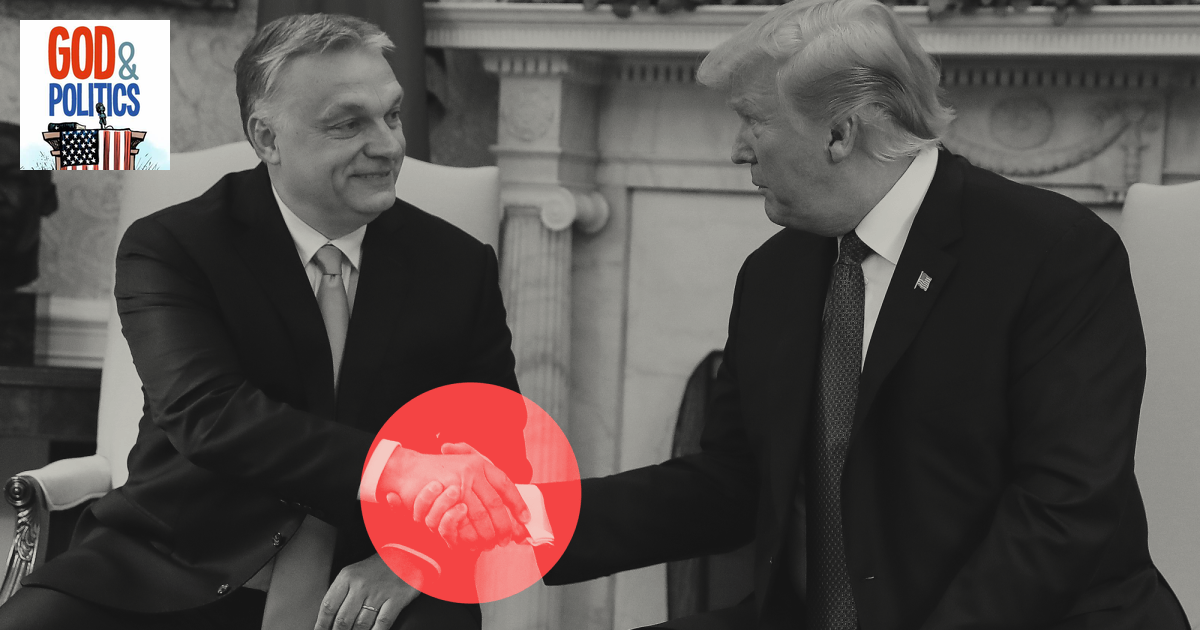
In late September, Hungarian Prime Minister Viktor Orbán announced plans to classify antifa as a “terrorist organization.” This move was widely seen as absurd, given that antifa is an ideology rather than a formal group, and Orbán had not previously denounced it. The decision appeared aimed at linking him more closely with Donald Trump, who had made a similar declaration against antifa the week before.
With the U.S. in apparent democratic decline, experts worry other nations might follow suit and weaken their own institutions.
This incident reflects a broader pattern of far-right leaders engaging in synchronized displays of power and rhetoric. Globally, extremist groups have begun to emulate America’s shift to the right, with European parties in Belgium and Austria echoing anti-antifa stances, and some adopting aggressive immigration policies inspired by the U.S.
In the UK, Nigel Farage’s Reform Party has adopted many policies similar to those of MAGA, with Farage himself maintaining close ties to Trump and attending events like CPAC. Similarly, UK Conservative leader Kemi Badenoch proposed creating a “removals” force modeled after U.S. ICE, aiming to deport 150,000 annually.
Far-right leaders worldwide are increasingly visiting Washington to seek Trump’s favor. For example, Germany’s AfD party officials met with him at the White House, while in February, AfD called for a European version of DOGE to streamline bureaucracy and implement stricter immigration controls. Additionally, far-right symbols like the American flag are becoming common in countries like Brazil.
Experts warn that the spread of extremist ideas isn’t accidental but involves deliberate cooperation among anti-globalist groups across countries. Some regions host versions of U.S. conservative gatherings like CPAC, promoting a coordinated effort to export far-right policies. This “contagion” is driven by the perception that left-leaning democracies are under threat, which fuels support for populist extremism.
Research indicates that extremism spreads quickly because populist policies attract international media attention. Politicians often imitate American rhetoric and strategies to demonstrate they are tough on issues like immigration and corruption, sometimes calling for authoritarian measures to rally support.
Scholars argue that the contagion effect is exacerbated by elites, especially influential tech leaders shaping information ecosystems. They emphasize the need for wise leadership and cooperation among democracies to counteract this trend. By learning from successful resistance efforts—such as Poland’s 2023 rejection of authoritarian rule—democracies can strengthen their defenses against rising far-right populism worldwide.