NY Wall Street Exodus: Is the City Losing its Financial Heart?
New York’s Decline in Business and Population Accelerates
New York City continues to lose residents and jobs, falling behind other regions nationwide, with city leaders showing little concern. Recent reports reveal that JPMorgan Chase now employs more workers in Texas than in New York City — a significant shift in the financial sector, historically centered in Gotham.
This outward migration of finance jobs is not new; it predates COVID-19 and even 9/11. Since the 1960s, increasing taxes and policies have made living and doing business in New York increasingly unaffordable and undesirable. While the Giuliani and Bloomberg administrations temporarily slowed the decline, the city’s financial sector shrank by 8,400 jobs between January and August of this year, after adding 6,400 in the previous year.
Despite this, finance remains the dominant industry in the tri-state economy, providing the majority of tax revenue for both city and state. The number of Fortune 500 companies headquartered in New York has halved since 1965, dropping from 128 to about 50 — while Texas now hosts 54, and Florida 22.
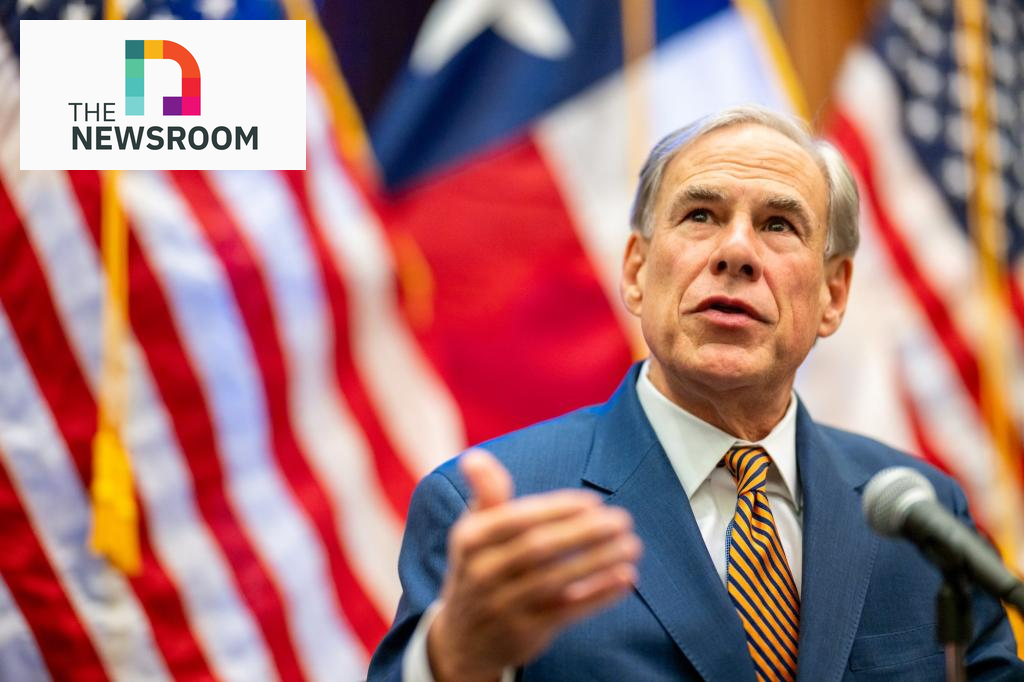
Meanwhile, state policies are increasingly hostile to business. Recent efforts by Texas officials, like Governor Greg Abbott, highlight their favorable business environment, with Texas eschewing high taxes and excessive regulation. However, New York’s leadership dismisses such approaches, with Governor Kathy Hochul explicitly refusing to follow Abbott’s example.
Hochul has been reluctant to cut taxes or relax regulatory burdens, despite the urgent need to make the state more competitive. There’s a pressing call to roll back high taxes, reduce regulatory constraints, and embrace natural gas and fracking, instead of doubling down on unreliable renewable energy policies.
The political landscape is also shifting, with Hochul endorsing a socialist-leaning candidate, Zohran Mamdani, known for plans to hike taxes on high earners and corporations and to target affluent neighborhoods — policies that could further discourage investment and drive away businesses.
If New York wants to reverse this trend and attract businesses and residents again, serious reforms are necessary. Otherwise, the long slide may turn into an exodus, leaving the city and state struggling to maintain their economic vitality.