Democrats Are Fighting and Winning!
Government Shutdown and Its Implications
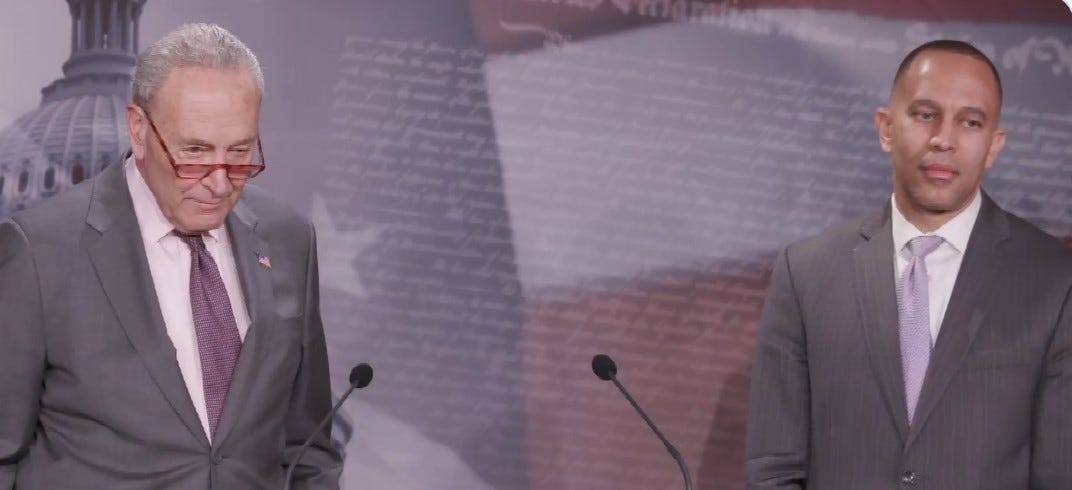
Ideally, the United States’ political system would prevent such deadlocks, with Republicans and Democrats collaborating effectively on critical issues like tax legislation, healthcare subsidies, and Medicaid funding. Instead, these disagreements have led to a government shutdown, causing a significant crisis and halting government operations.
The foundation of American representative government is built on compromise, balancing differing interests for the nation’s benefit. However, the current scenario reflects a shift from this principle, with one party exercising unilateral control and sidelining other voices—a situation unimaginable to the system’s founders.
Although Democrats initially relied on institutional norms and believed that the system would withstand partisan tensions, recent events have proven otherwise. During the Trump administration, even as some urged opposition, many Senate Democrats maintained faith in traditional governance. Now, this faith has been challenged.
Republican claims that Senate Democratic Leader Chuck Schumer is drifting leftward are inaccurate. The push for strong opposition in Congress is driven by the Democratic Party’s internal factions, representing both progressives and moderates—groups that traditionally provide balance and have often cooperated with Republicans during crises like shutdowns.
This heightened activism is not limited to Democratic supporters; it has permeated into the ranks of Congress, signaling a shifting dynamic in political engagement and resistance.