The Two-State Solution: A Big, Expedient Lie
Understanding the Failure of the Two-State Solution in Israel-Palestine
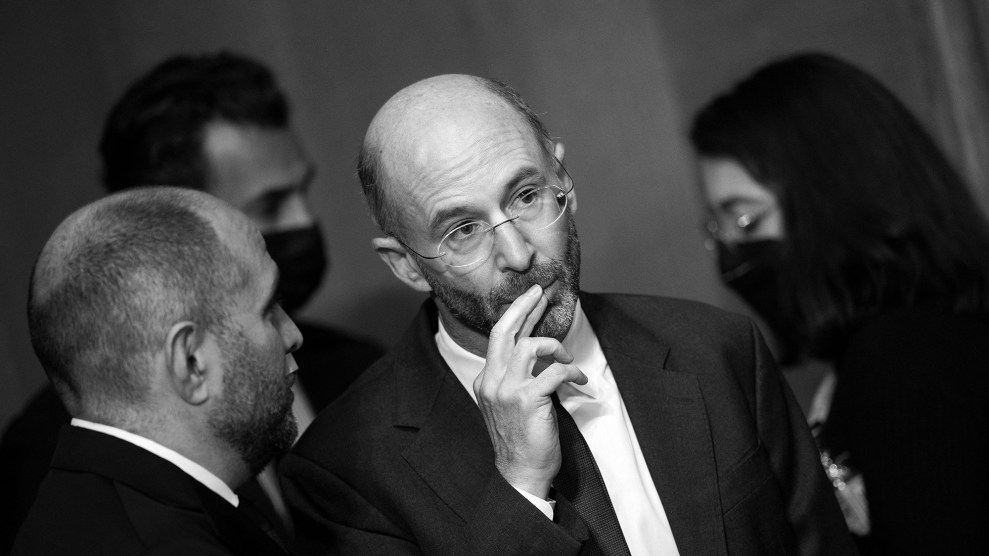
In a thought-provoking new book, veteran peace negotiators Robert Malley and Hussein Agha examine the unraveling of the two-state solution in the Israel-Palestine conflict. Despite decades of efforts, they argue that the idea has shifted from hope to a series of illusions turned lies, masking the fundamental incompatibilities rooted in both sides’ deep historical and emotional attachments to the land.
Agha, with close ties to the late Yasser Arafat, and Malley, who advised during key negotiations including the Camp David summit, bring unique perspectives. Agha emphasizes that Palestinians view all land as theirs, rooted in the Nakba and their ongoing struggle for sovereignty. Israelis, meanwhile, prioritize land they hold as historically or religiously significant, with many not genuinely invested in the borders of 1967 in current realities. Both sides harbor higher aspirations, making partition an inherently inadequate solution.
The authors critique the diplomatic efforts from Oslo to Camp David, claiming these attempts did little more than build false hope. They contend that overt declarations of support for a two-state solution often serve strategic or political purposes, rather than genuine belief in its practicality.
“Over time, the two-state solution became something greeted with yawn—and then as a joke, or a lie.”
Malley and Agha argue that ongoing violence, including the recent Hamas attacks, cannot be viewed in isolation from decades of failed policies and flawed negotiations. They highlight that both Palestinians and many Israelis see violence as a response to the ongoing occupation and a reflection of broader frustrations.
The authors criticize the current U.S. administration’s response, describing it as repetitive of past patterns—offering false assurances and avoiding tough decisions. They suggest that meaningful change depends on the U.S. and other powers forcing Israel to face consequences, potentially altering the current status quo.
While recognizing that formal recognition of a Palestinian state won’t immediately change daily realities, Malley remains cautiously optimistic about a shifting public opinion that could eventually lead to policies supporting genuine progress. Ultimately, they call for a frank conversation about achievable solutions that both sides can live with, moving beyond illusions towards sustainable coexistence.