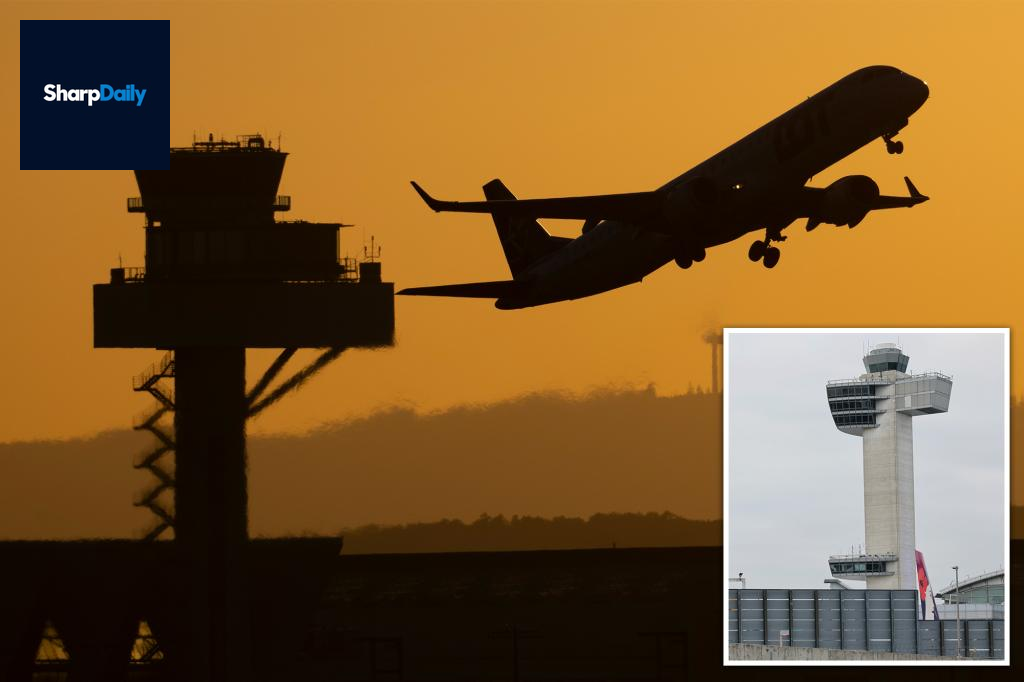
Aviation Groups Warn Shutdown Delays Critical Aircraft Safety Inspections
Airline Industry Warns of Safety Threats Amid Potential Government Shutdown
Numerous aviation organizations have issued a warning to congressional leaders about the risks a government shutdown could pose to aviation safety and operations. They emphasized that an impending shutdown could halt essential FAA inspections and delay maintenance on critical air traffic control systems, potentially creating disruptions and safety hazards for travelers.
In an open letter, over 50 trade associations representing airlines, air traffic controllers, and aviation personnel urged immediate action to prevent a shutdown. They highlighted that such a shutdown would impair the safety margins and redundancies of the U.S. airspace system, with even short-term closures causing lasting delays in safety oversight and service delivery.

In the event of a shutdown, while air traffic controllers, technicians, and security staff would still be working (without pay), many FAA employees would face furloughs, reducing oversight capacity. The groups warned that essential functions such as hiring, training, safety checks, aircraft inspections, and modernization efforts would be delayed or suspended, leading to long-lasting service backlogs.

Congress faces an urgent deadline of midnight Tuesday to pass legislation to prevent a shutdown. Earlier efforts by House Republicans to extend funding until November 21 faced opposition in the Senate, with most Democrats voting against the measure.
If no agreement is reached, all nonessential government services could shut down, marking the first shutdown since late 2018. The aviation community stresses that swift legislative action is crucial to avoid destabilizing the FAA, its workforce, and the broader economy.