9/11 Failures Spawn Vital First-Responder Network — Congress Must Act Now!
Honoring First Responders and the Importance of Communication Systems
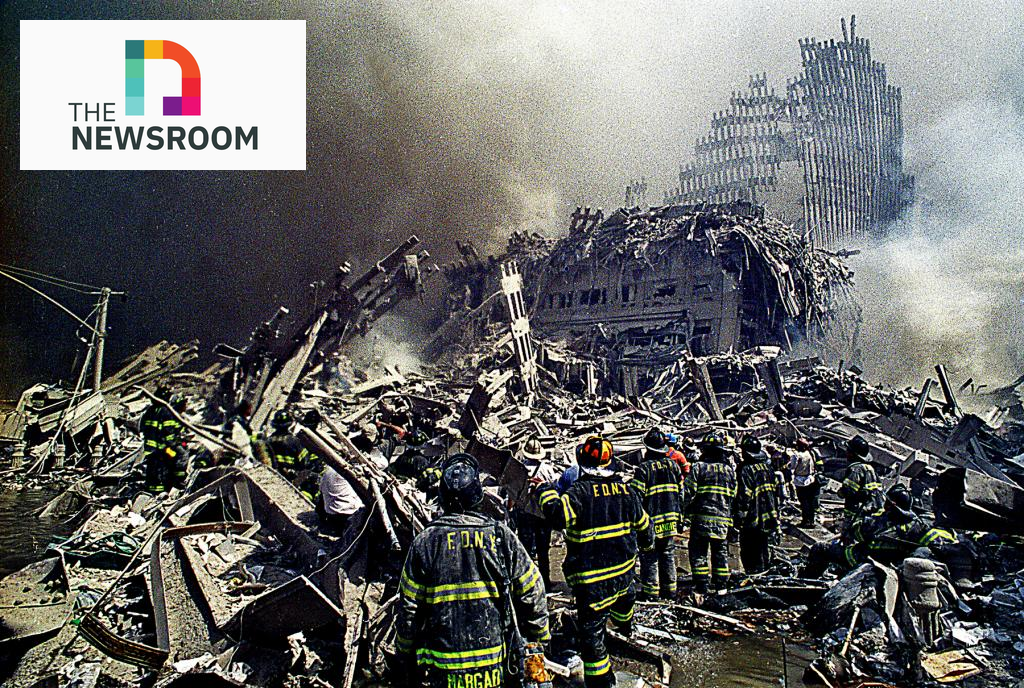
September 11, 2001, marked a day of unfathomable loss and heroism. Amidst the chaos, countless firefighters, police officers, paramedics, and other first responders rushed into danger, risking—and often sacrificing—their lives to save others. Their courage remains etched in history and in the memories of those they protected.
However, the tragedy also revealed significant communication failures. Radios malfunctioned, phone lines were overwhelmed, and agencies from different states couldn’t coordinate effectively. This lack of reliable communication meant responders had to pass handwritten notes to share crucial information. In the chaos of Ground Zero, brave men and women entered the towers with no way to communicate internally, a factor that contributed to the tragic loss of 343 firefighters.
In response, meaningful progress was made. Starting in 2017, the First Responder Network Authority (FirstNet) was established to provide first responders with a dedicated, reliable communication network. For the first time in U.S. history, emergency personnel across agencies and jurisdictions could coordinate seamlessly during crises like hurricanes, wildfires, or terrorist attacks. FirstNet guarantees priority and preemption, ensuring first responders stay connected when commercial networks falter. It operates on a special spectrum encompassing over 30,000 agencies nationwide, funded through private sector investment without taxpayer money.
This technological advancement has proven vital, aiding recovery efforts during events such as Texas’ devastating floods in July and supporting continuous emergency response. Yet, the authorization for FirstNet is set to expire in 2027. Without congressional action, the network’s future hangs in the balance, risking a return to ineffective communication during emergencies.
Supporters from organizations like the National Fraternal Order of Police and the International Associations of Fire Fighters advocate for reauthorization, emphasizing that it honors the sacrifices of heroes and ensures future responders are never left without reliable communication tools. This is not merely a technical issue but a matter of saving lives and protecting communities.

Congressional action is crucial to uphold this vital infrastructure—an investment that embodies responsible governance, supports our heroes, and fortifies America’s resilience against future crises. Ensuring that first responders have the tools they need to keep us safe is a responsibility we cannot delay. Let’s support reauthorization before it’s too late.