
New York Sues Anti-Immigration Group for $Millions in Charity Fraud
Legal Action Targets VDARE and Its Founders Over Fund Misuse
The lawsuit filed by the New York Attorney General accuses Peter Brimelow, founder of the controversial anti-immigration website VDARE, and his wife Lydia of misappropriating charitable funds. The proceedings stem from a lengthy investigation into the organization’s financial practices and governance.
While Brimelow has publicly claimed he and VDARE are under political persecution—alleging suppression of free speech—the lawsuit centers on allegations of financial misconduct. It accuses the couple of funneling over $2 million of VDARE’s assets into personal and family-controlled entities, notably using the organization’s funds to acquire a castle in West Virginia. The property, intended for charity operations, was transformed into a private residence, with subsequent financial arrangements that allowed the Brimelows to extract hundreds of thousands of dollars from VDARE.
The investigation revealed that the Brimelows created a complex web of transactions, including a leaseback scheme and loans to entities they controlled, all while failing to submit required financial disclosures. VDARE, which raised nearly $15 million in tax-deductible contributions between 2019 and 2023, reportedly continued soliciting donations even after declaring itself inactive last year. A fundraising campaign on GiveSendGo—launched by Lydia Brimelow—raised over $52,000, claiming the money was needed to defend VDARE from legal threats.
Authorities highlighted that the organization’s governance structure was dominated solely by the Brimelows and their close associates, enabling unchecked self-dealing. The lawsuit aims to recover misused funds, dissolve VDARE, and prevent the couple from holding nonprofit roles in the future. The case echoes earlier actions against other high-profile charities, seeking to uphold accountability and prevent abuse of charitable status.
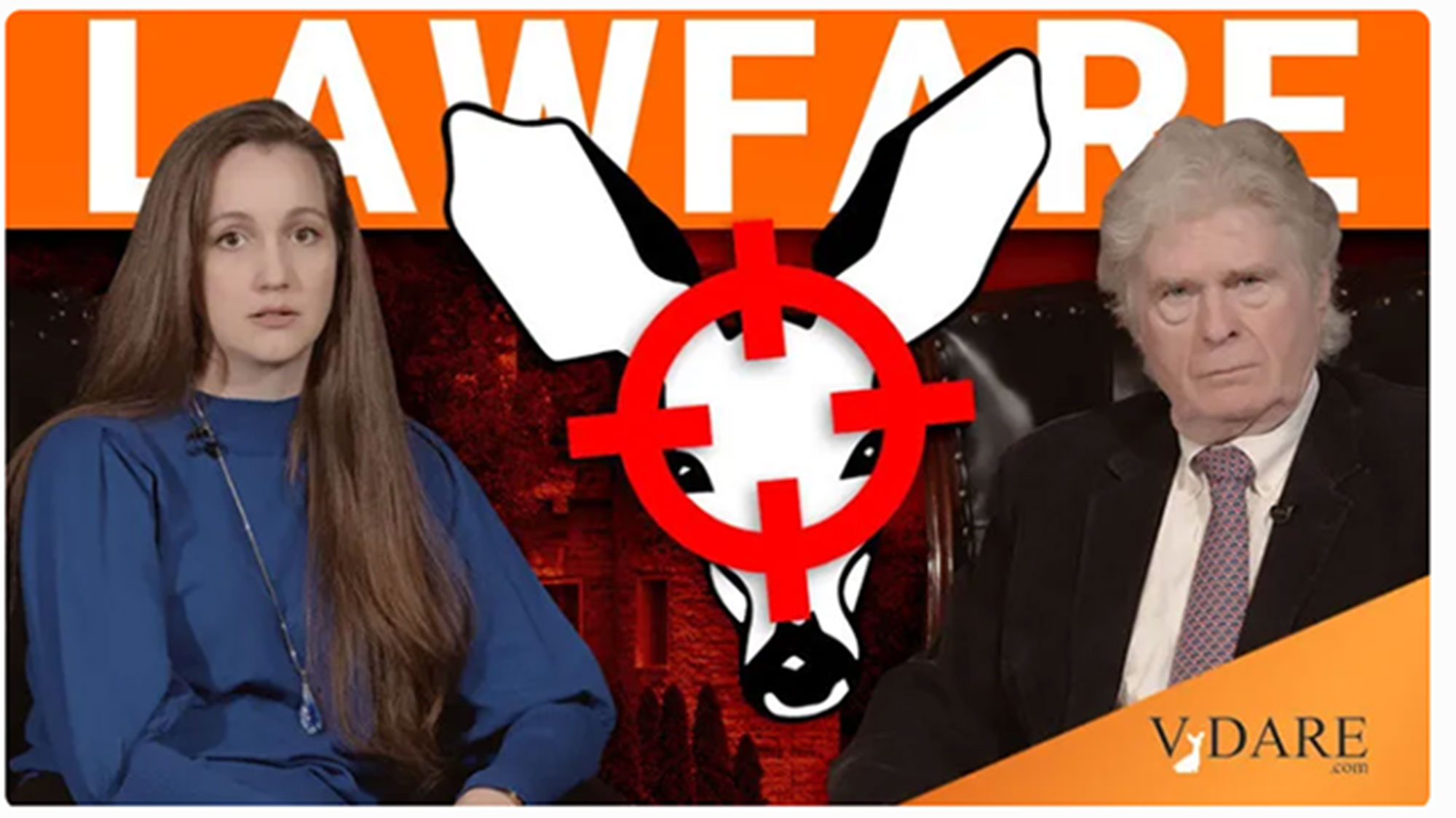
Despite the legal challenges, the Brimelows have maintained that their efforts are justified, framing their legal battles as political attacks motivated by opposition to their views. The case highlights ongoing issues regarding nonprofit oversight and the risks of self-dealing in organizations with contentious agendas.