Military Lawyers Leading Immigration Courts: Unlawful and Problematic
Military Lawyers to Temporarily Serve as Immigration Judges
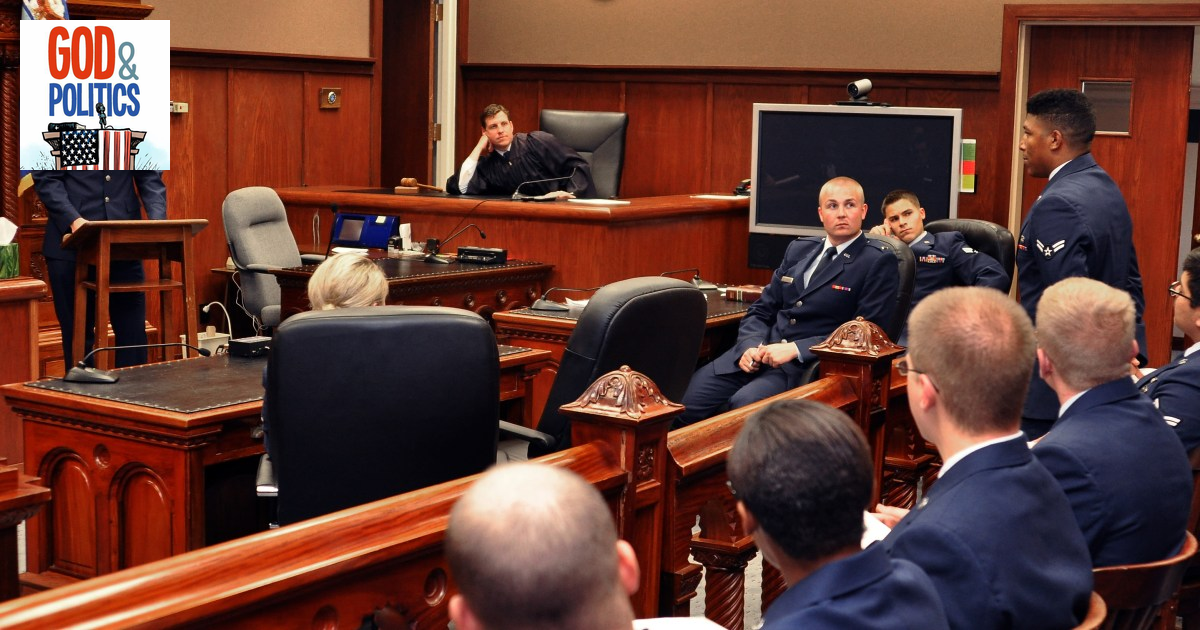
The Trump administration is considering an unprecedented move by recruiting military lawyers to serve as immigration judges across the country. Up to 600 members of the Pentagon’s Judge Advocate Generals (JAGs) could be deployed to assist the Justice Department, with some starting as early as next week.
This initiative aims to address the growing backlog of immigration cases. However, concerns are mounting over the legality and appropriateness of such a move, as military lawyers generally lack experience in immigration law. Critics, including former military attorneys, warn that the plan may violate federal laws and undermine the principle of civilian oversight.
Legal experts have raised alarms about the potential violation of the Posse Comitatus Act, which restricts military involvement in civilian law enforcement. Turning military lawyers into immigration judges could be seen as an overreach, effectively creating a situation akin to martial law, where military personnel operate within civilian judicial processes.
Legal scholars also examined scenarios where such a plan might be lawful, such as through congressional legislation or a presidential declaration under the Insurrection Act. However, most agree that without such actions, the proposal is unlikely to withstand legal scrutiny. Once deployed under broad executive powers, the situation could lead to an expanded military presence within civilian systems, raising serious constitutional questions.
The Justice Department recently relaxed its criteria, allowing any lawyer to serve as an immigration judge for up to six months, with the possibility of indefinite extensions. While intended to expedite case handling, this temporary measure raises concerns about long-term implications for the independence and legality of immigration courts.