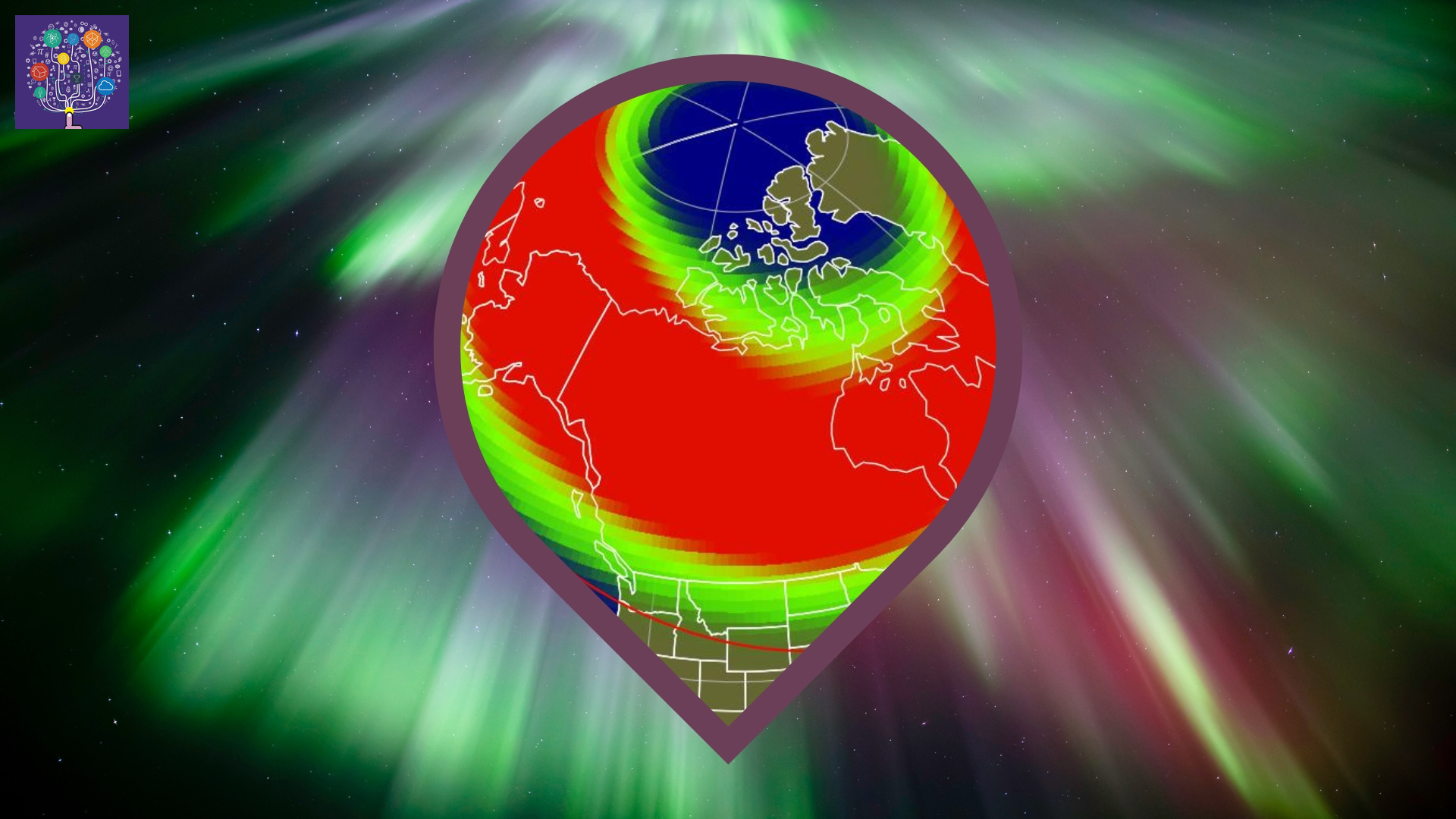
Northern Lights Visible in 18 US States Sept 1-2!
Potential for Spectacular Northern Lights Due to Solar Storm
A significant solar storm is approaching Earth, with the potential to produce a remarkable display of the northern lights on Labor Day across parts of the United States.
The event is driven by a fast-moving coronal mass ejection (CME) that originated from a long-duration M2.7 solar flare from sunspot AR 4199 on August 30. When this CME collides with Earth’s magnetic field, it could trigger geomagnetic storms and produce vivid auroras, possibly disrupting satellites and communications.
Forecasts indicate the CME will reach Earth late on September 1 or early September 2, likely causing a moderate G2 geomagnetic storm, escalating to a strong G3 level as it passes. This intensification could extend auroras further south than usual, allowing many in the northern U.S. to witness the phenomenon.
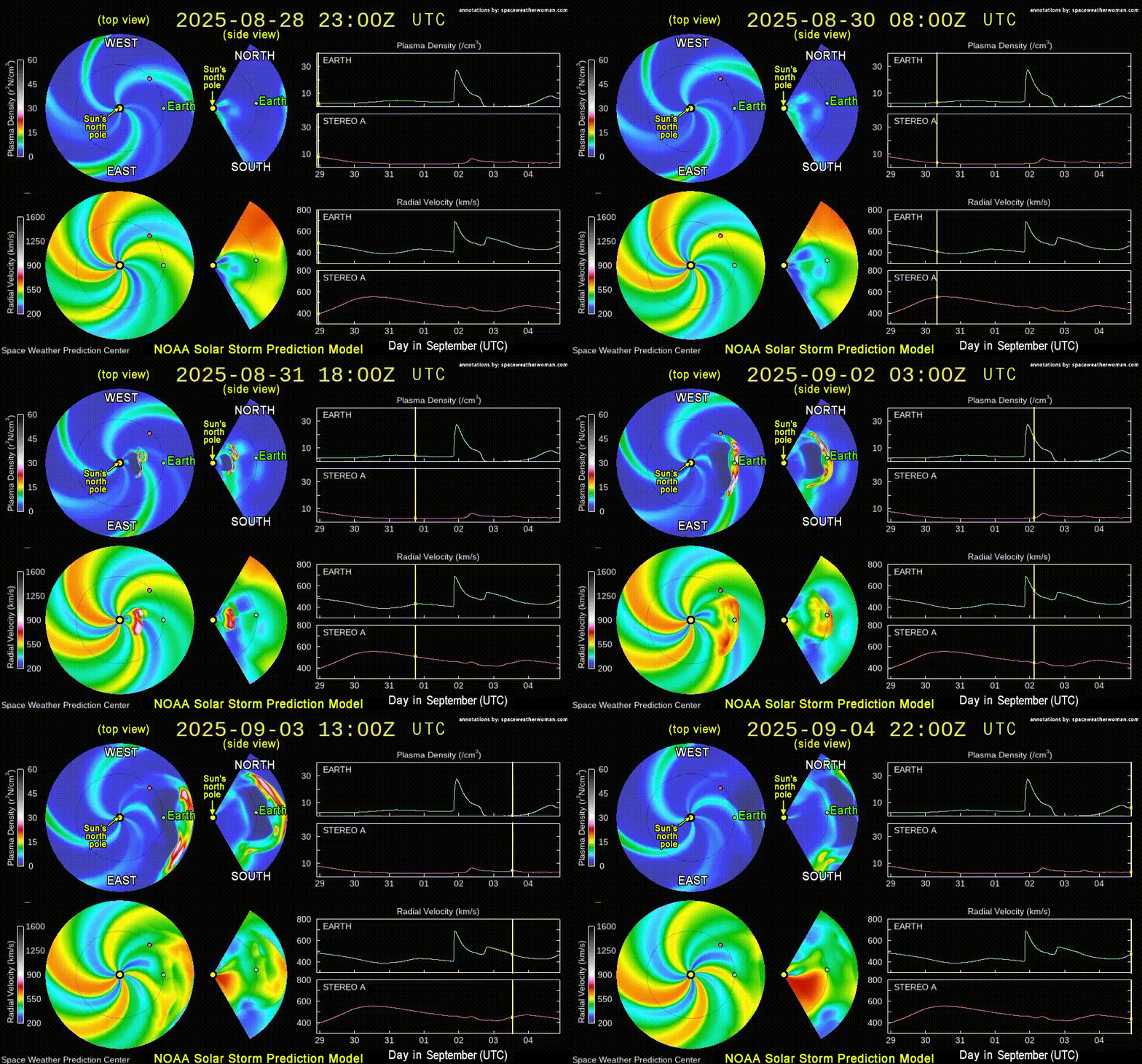
Scientists suggest there may be two eruptions involved, with one potentially merging with the other in a process called a “cannibal CME,” which could enhance the storm’s impact.
Earth’s auroral activity is expected to increase substantially after the CME’s arrival. The UK Met Office predicts clear skies and calm conditions could allow viewers in regions like East Anglia, the Midlands, and Wales to see the northern lights.
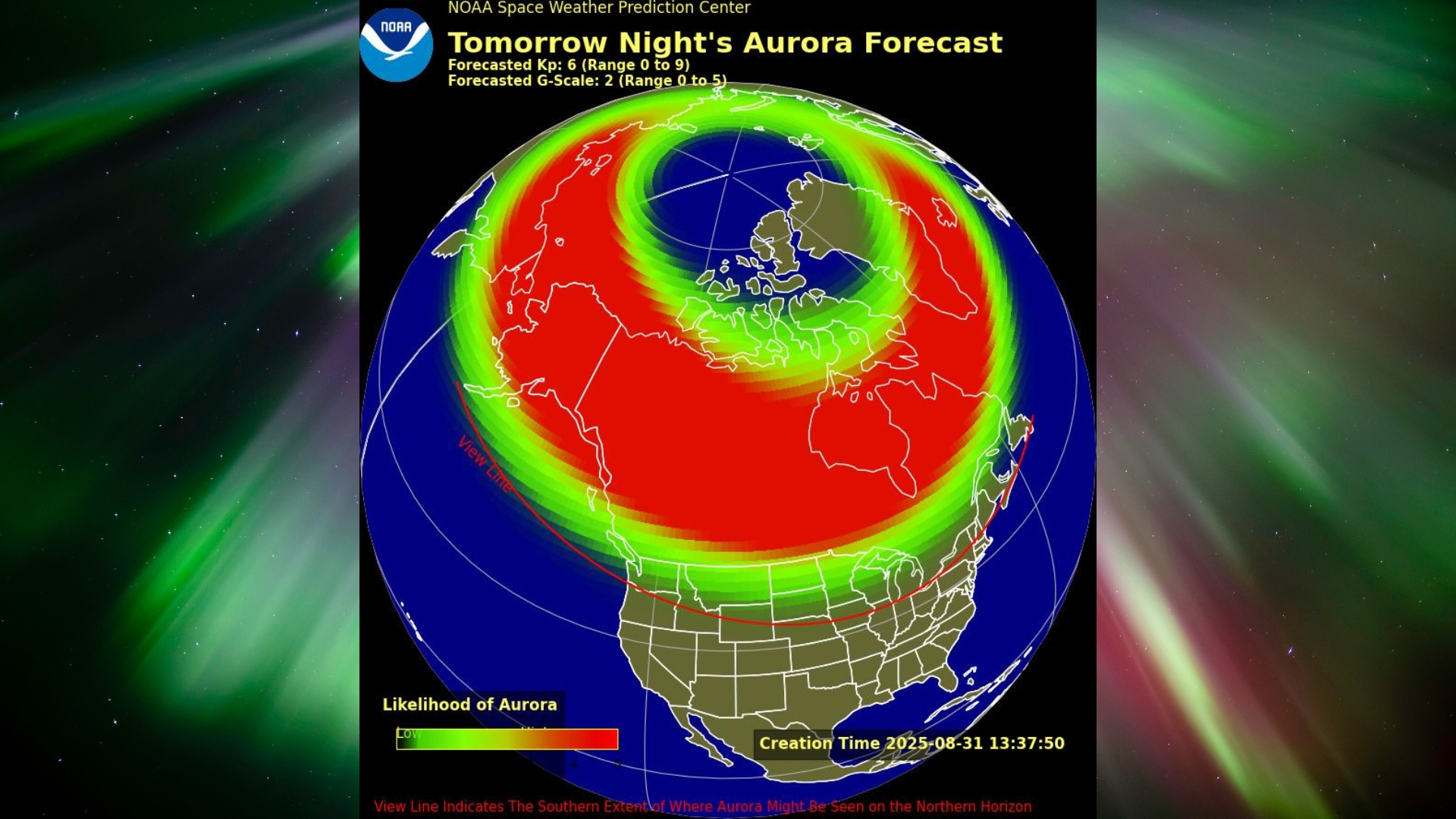
When and Where to See the Northern Lights
Peak viewing is expected during the night of September 1 into early September 2, especially between midnight and 2 a.m. local time. Countries in the northern U.S., including Alaska, Montana, North Dakota, Minnesota, Wisconsin, Michigan, Maine, South Dakota, Vermont, New Hampshire, Idaho, Washington, Oregon, New York, Wyoming, Iowa, Nebraska, and Illinois, may have the best chances due to favorable conditions.
Visibility depends on clear skies, minimal light pollution, and facing north. Using space weather apps like “My Aurora Forecast & Alerts” or “Space Weather Live” can help determine the best viewing times based on current conditions.
Understanding G3 Geomagnetic Storms
The NOAA classifies these storms from G1 to G5, with G3 considered strong. G3 storms can cause auroras to reach as low as Illinois and Oregon, and may lead to radio disruptions or minor power issues in some regions.