Transparent Admin Refuses to Reveal Who’s Behind Their Social Media
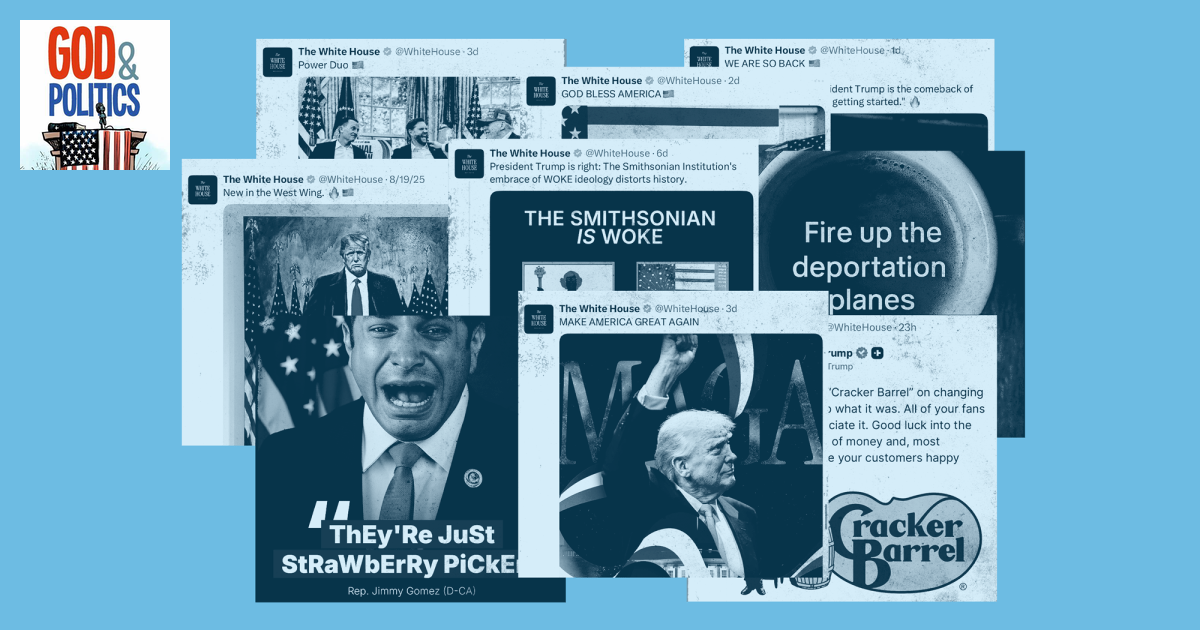
The United States government’s online communication strategies have significantly changed since Donald Trump resumed office on January 20. Previously, it was unlikely that official accounts like the White House’s Twitter/X would post provocative messages such as “Go woke, go broke,” alongside cartoons or memes that appear to carry ideological or racist undertones. Similarly, agencies like the Department of Homeland Security (DHS) have been sharing content filled with cruel jokes, memes about deportation, and racial rhetoric, including references linked to white supremacist literature.
Much of this content is anonymous, with posts not attributed to any individual or department, which experts note makes them more effective as propaganda. Despite the administration’s usual tendency to boast about accomplishments publicly, no official has claimed responsibility for these messages, nor has any ‘Meme Czar’ been appointed to oversee social media strategies. Interestingly, when inquiries are made about the authorship, responses tend to be vague or defensive.
The DHS, for example, responded to a query about the origin of such content by emphasizing their efforts to keep Americans informed and dismissing criticism, while also making a thinly veiled attack on journalism outlets like Mother Jones, implying they are biased. The department defended their use of certain imagery—such as Uncle Sam at a crossroads—by framing it as a patriotic reflection on national decline and recovery, linking current policies to a supposed return to law and order under the previous administration.

The secrecy surrounding who creates these messages contrasts sharply with claims of transparency frequently touted by the Trump administration. While they often promote themselves as open, their reluctance to disclose the identities behind controversial content reveals a strategy aimed at avoiding accountability. As these efforts continue, much remains unclear about the true sources driving this aggressive and often divisive online discourse.